
Lewisville, Texas: Painting Between the Lake and the Stage
Lewisville sits in southeastern Denton County, about twenty four miles northwest of downtown Dallas, and it holds two things a painter notices at once. The first is water. Lewisville Lake, a wide reservoir on the Elm Fork of the Trinity River, spreads along the city’s northern edge. The second is a stage. Old Town Lewisville, the city’s small historic center, holds a city owned arts center with a theater, a black box, and an art gallery, a short walk from a plaza built for concerts. I am Bartosz Beda, an abstract figurative artist based in Richardson, in the same Dallas Fort Worth metroplex. This page is a guide to Lewisville: its theater, its lake, its short and fast history, and my Mirage paintings, which began with desert plants seen under lamps at night and belong in a town that knows night water.
The record comes first, stated plainly. Then the town. Then the paintings that meet it.
Lewisville in my record
I have no Lewisville exhibition to report, and this page does not invent one. My Texas record stands nearby: solo exhibitions in Dallas and Plano, a museum solo exhibition in Brownsville, a residency in San Angelo where Mirage began, and five studio years in Mesquite. My studio and my art academy are now in Richardson, southeast of here, and Lewisville is part of the same working metroplex that my week moves through.
What I can offer Lewisville readers is the direct route. There is no gallery between this town and my work. The series pages on this site show the paintings in full, and the online store carries the current originals, which ship from my Richardson studio. Lewisville art, on this page, means two honest things: the art life the city built for itself in Old Town, and the paintings of a working metroplex painter presented to the people who live here.
The Grand and Old Town Lewisville
Old Town is the Lewisville that existed before the suburbs. A few blocks of Main Street and Church Street hold City Hall, small shops and restaurants, and the Lewisville Playhouse, which performs in a building raised in 1885, the oldest standing structure in the city. On this ground the city made a deliberate decision. It built its arts center here, in the old center, instead of out by the highway.
The Lewisville Grand Theater stands at 100 North Charles Street, between Main and Church streets. The city owns it, and it opened with a three day celebration on January 14 to 16, 2011. For its first decade it carried a hospital’s name under a naming rights agreement, first as the Medical Center of Lewisville Grand Theater and then as the Medical City Lewisville Grand Theater, and everyone in town shortened it to the MCL Grand. The agreement ended in December 2020, and the building now works under its plain name. It is a 40,000 square foot arts center: a performance hall of about 300 seats, a black box theater, a recital hall, classrooms, a courtyard stage, and an art gallery. The Visual Art League of Lewisville shows work in that gallery, and the center is the first publicly operated arts center in southern Denton County.
Between City Hall and the Grand lies Wayne Ferguson Plaza. The plaza opened in 2015 on land that had been a parking lot. It is 1.5 acres of lawns, shade, and water features, designed around the way water carves the North Texas tallgrass prairie. It holds concerts, festivals, and a farmers market, and on summer evenings the whole of Old Town seems to be standing on its grass at once. Between the theater, the gallery, and the plaza, this small center does what an arts district is supposed to do. It gives a suburb a room of its own.
Lewisville Lake
The lake came in two acts. The first act belongs to Dallas. In 1927 the W. E. Callahan Construction Company completed the Garza Dam on the Elm Fork of the Trinity River, and the water behind it became Lake Dallas, a water supply reservoir for the growing city downstream. The second act belongs to the federal government. After the River and Harbor Act of 1945 called for new flood control lakes in the Trinity basin, the United States Army Corps of Engineers began a much larger dam on November 28, 1948.
The new project was called the Garza-Little Elm Dam and Reservoir. Impoundment began on November 1, 1954, and the dam was completed in 1955, a wall of compacted earth 32,888 feet long, more than six miles. In 1957 the old Garza Dam was breached, Lake Dallas folded into the new reservoir, and the combined water took shape: thirteen miles long, with 183 miles of shoreline, holding 436,000 acre feet at its conservation level. The name settled last. The lake was officially renamed Lewisville Lake in the mid 1970s.
Today the Corps still operates the lake. It stores water for Dallas, Denton, and the towns around them, holds back the Elm Fork when the rains come, and gives the northwest metroplex its big water: parks and marinas on the shore, fishing and sailing on the surface, and long evening light across open water that the flat land around it cannot offer anywhere else. For a painter, that shore is the point. It is the one place in this part of Denton County where the horizon behaves like a subject.
A short history of Lewisville
Lewisville began as a prairie settlement. The land was part of the Peters Colony grants, and in 1844 the families of John W. King and of John and James Holford settled the prairie where the city now stands. The place took their name: Holford’s Prairie. In 1853 Basdeal W. Lewis bought the Holford properties, laid out a town, and named it for himself. By the late 1860s the young town held a gristmill, a cotton gin, and a church, and cotton was its economy. The city keeps the long version of this story on its own history timeline.
The railroad decided where the town would stand. The Dallas and Wichita Railroad reached a point just south of Lewisville in 1875 and was running full time by 1881, and the community shifted toward the tracks, to the ground now called Old Town. The town stayed small and agricultural for decades. On January 15, 1925, its residents voted to incorporate, by a margin of seventeen votes, with a population of 815.
The lake changed the scale of everything. When the new reservoir filled in the 1950s, Lewisville stopped being a farm town at the end of a rail line and became a suburb with water at its edge. The opening of Dallas Fort Worth International Airport in 1974, a few miles south, pulled more growth in. Today Lewisville counts more than 133,000 people. The prairie settlement is still visible, though, in the few blocks of Old Town, where the city has put its hall, its theater, and its plaza on the same ground the railroad chose.
Mirage: paintings of night water and lake light
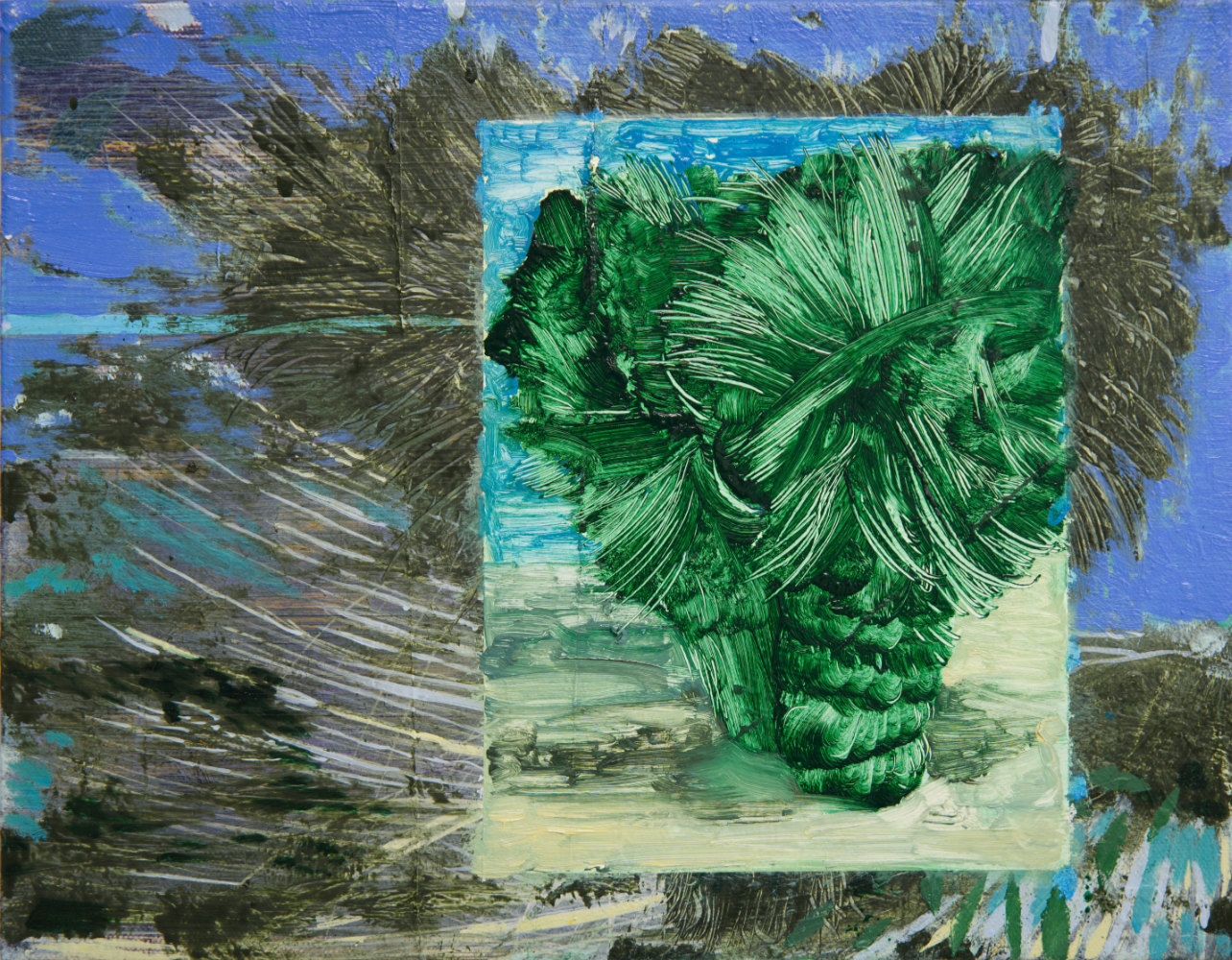
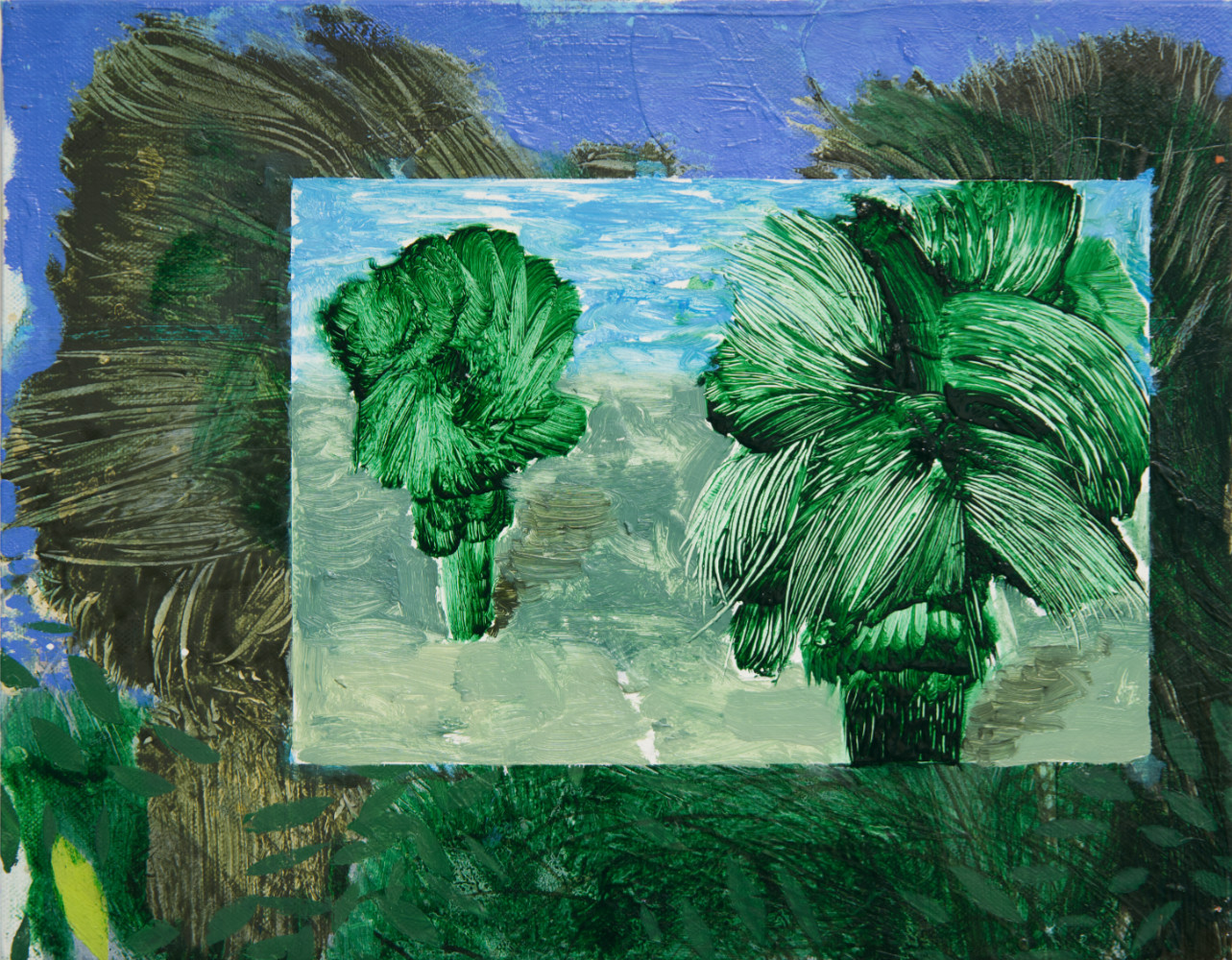
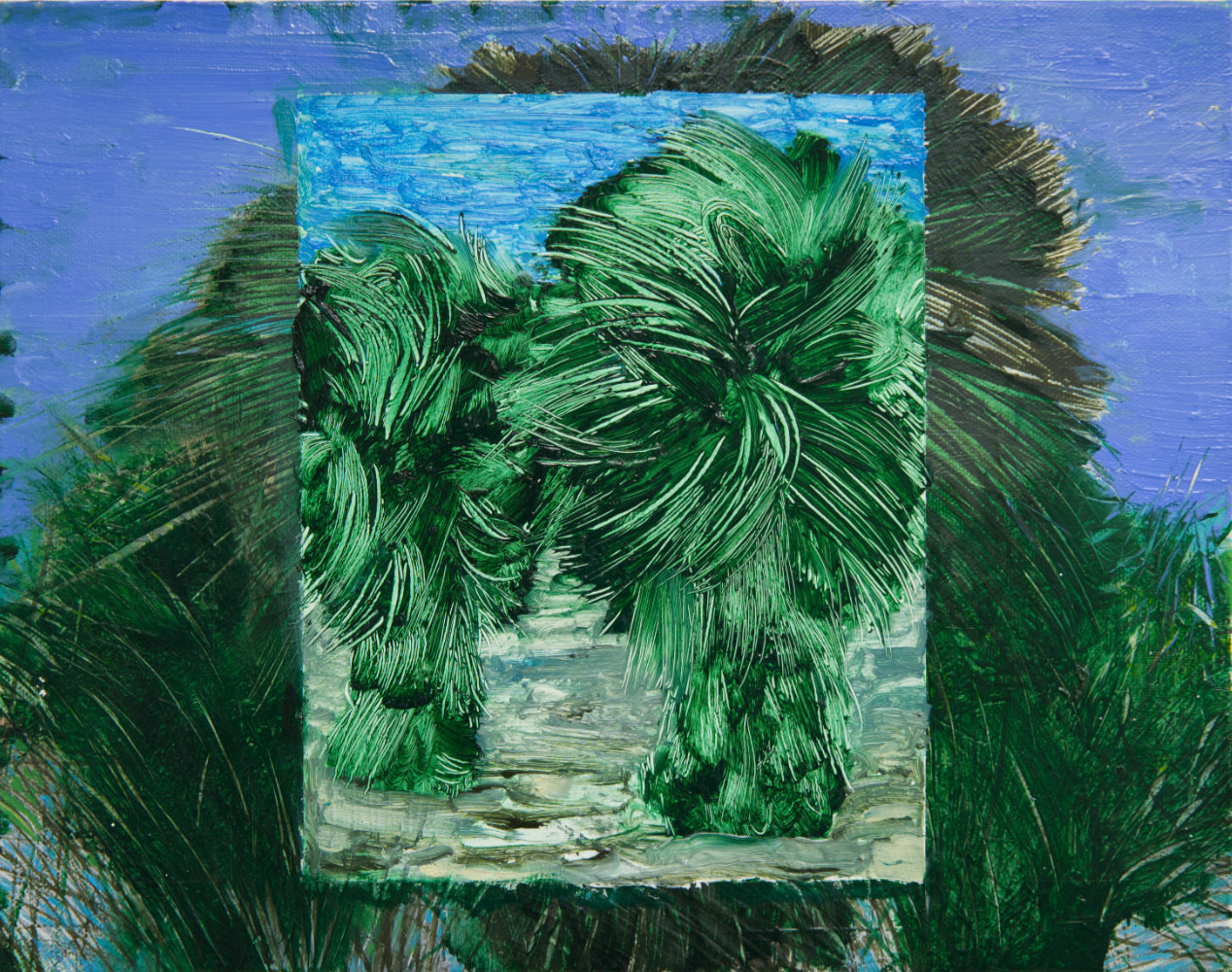
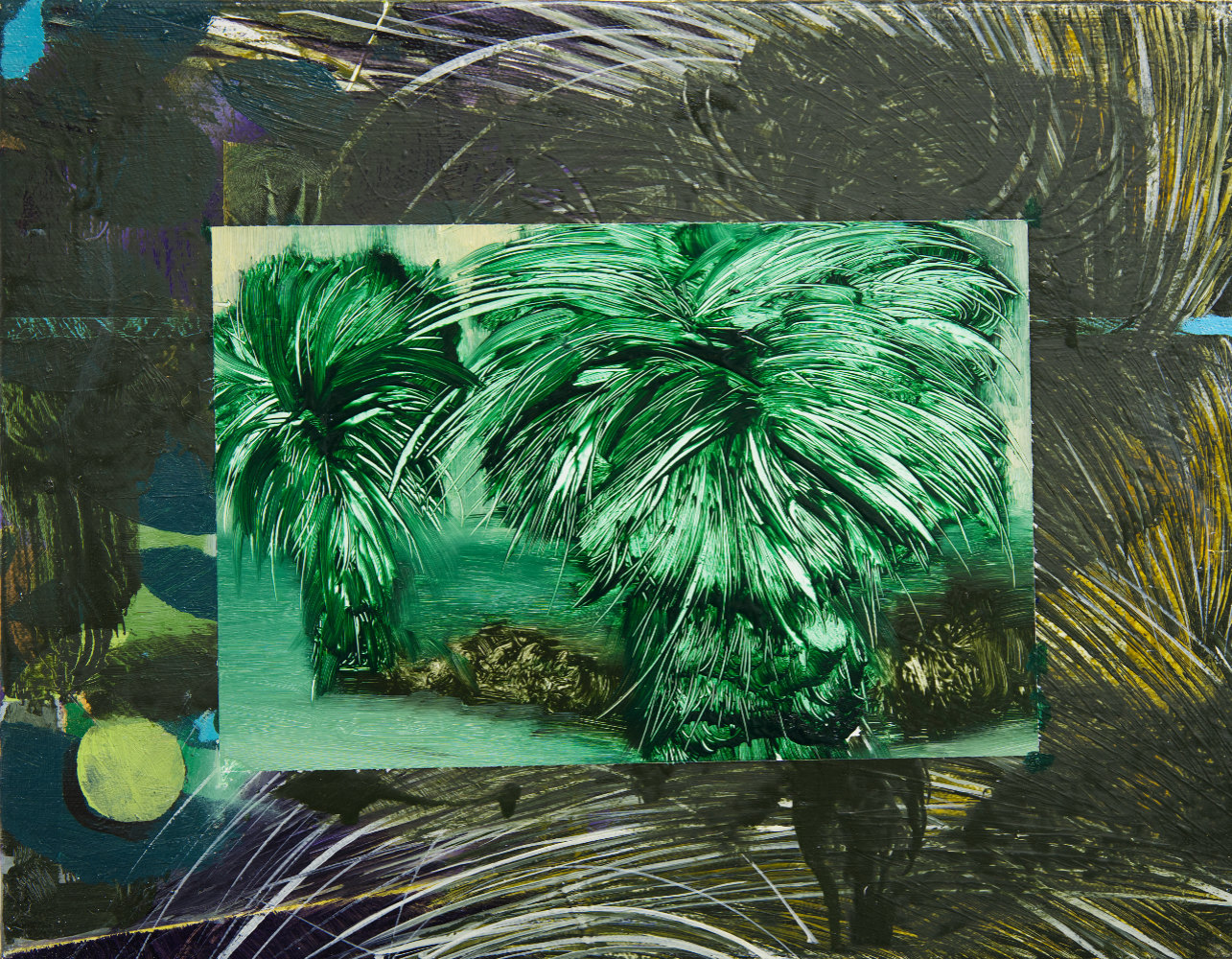
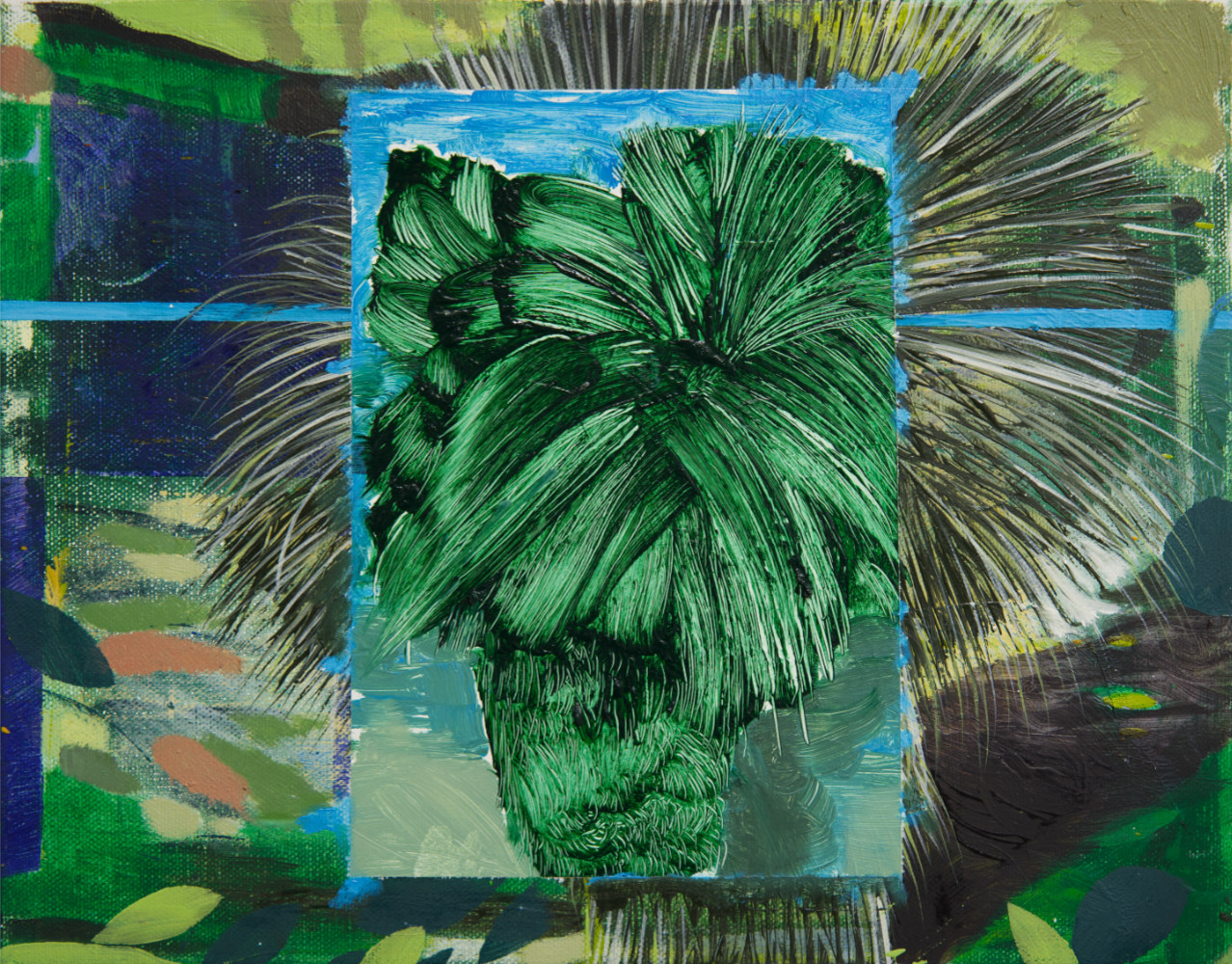
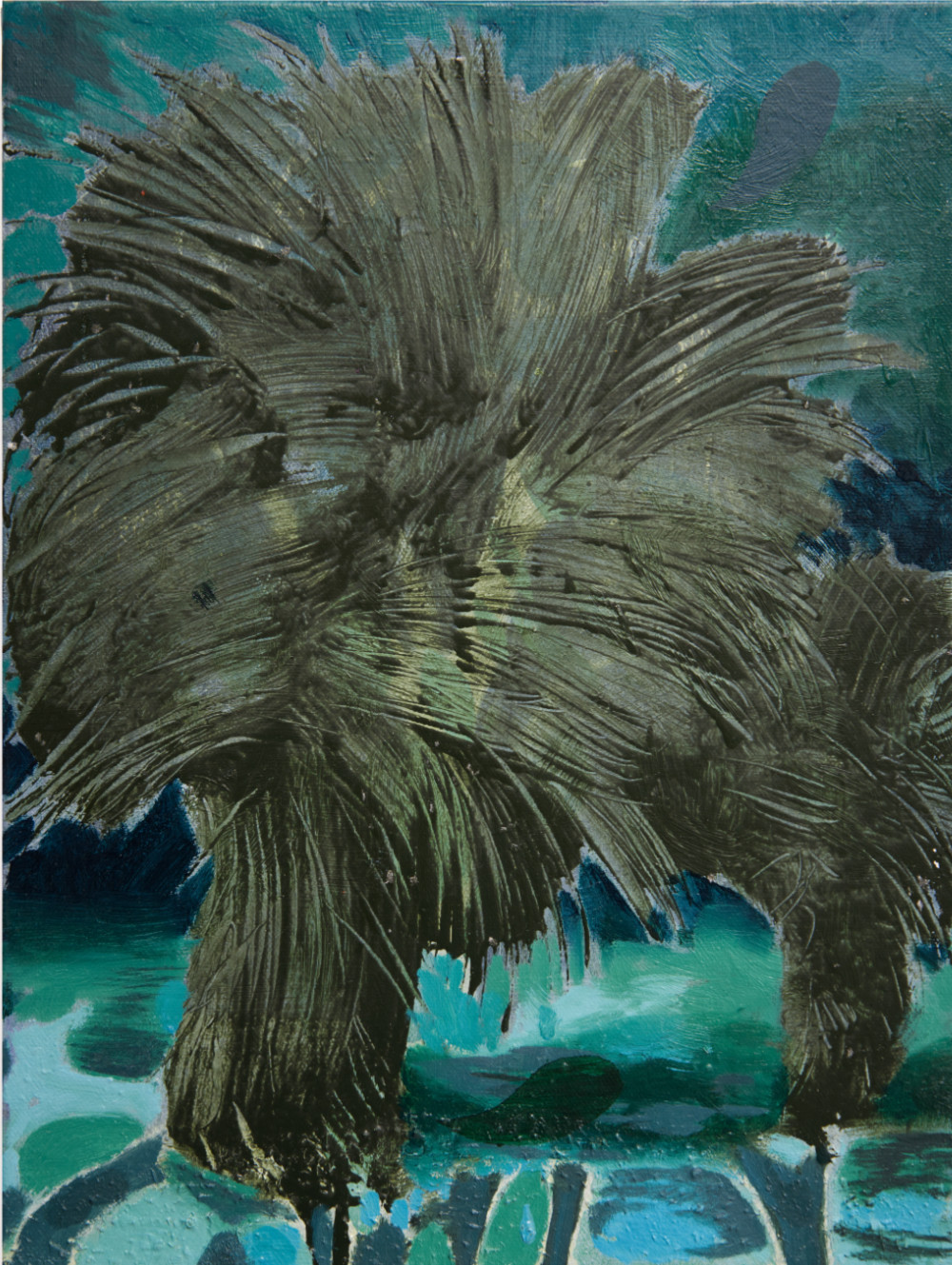
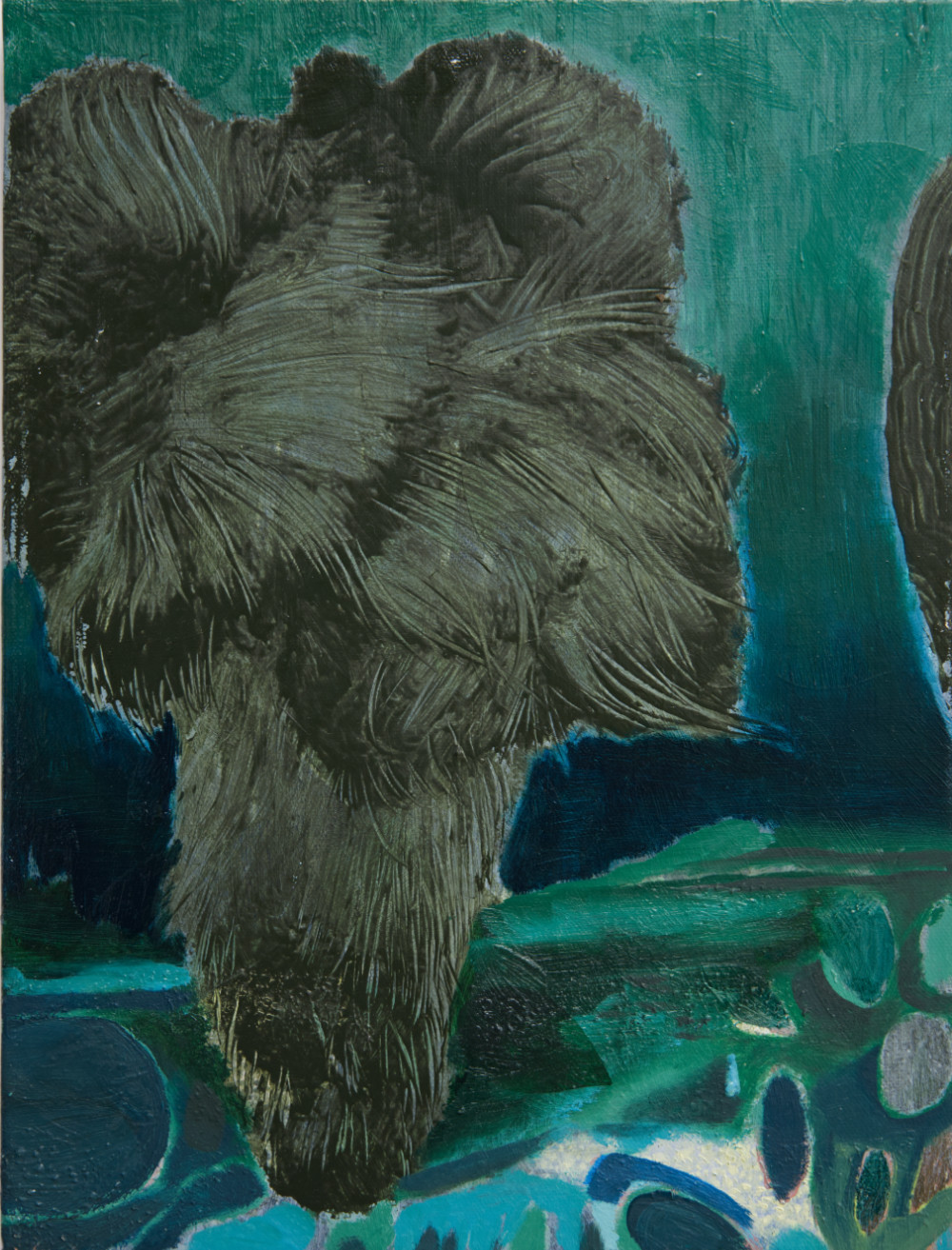
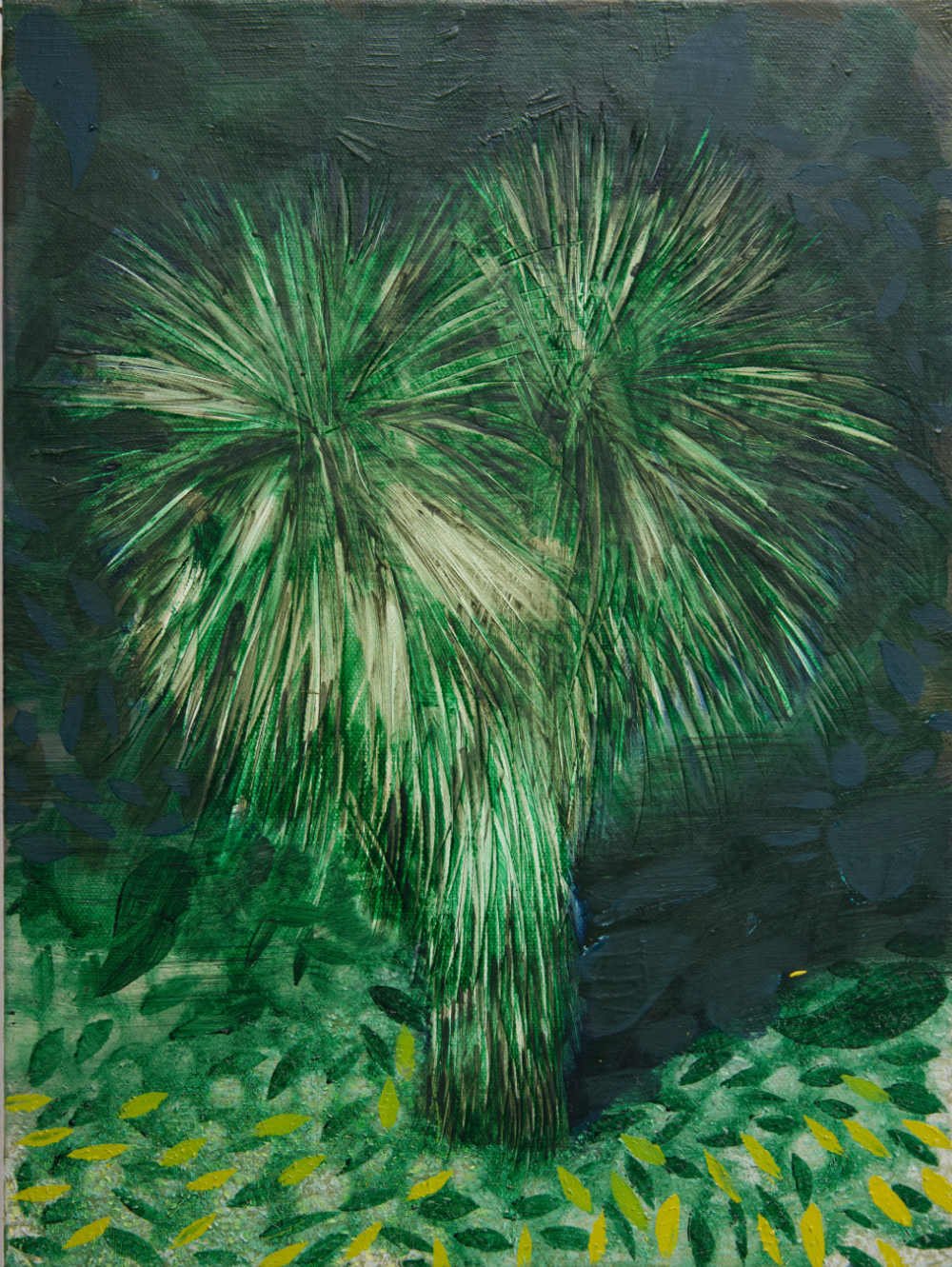
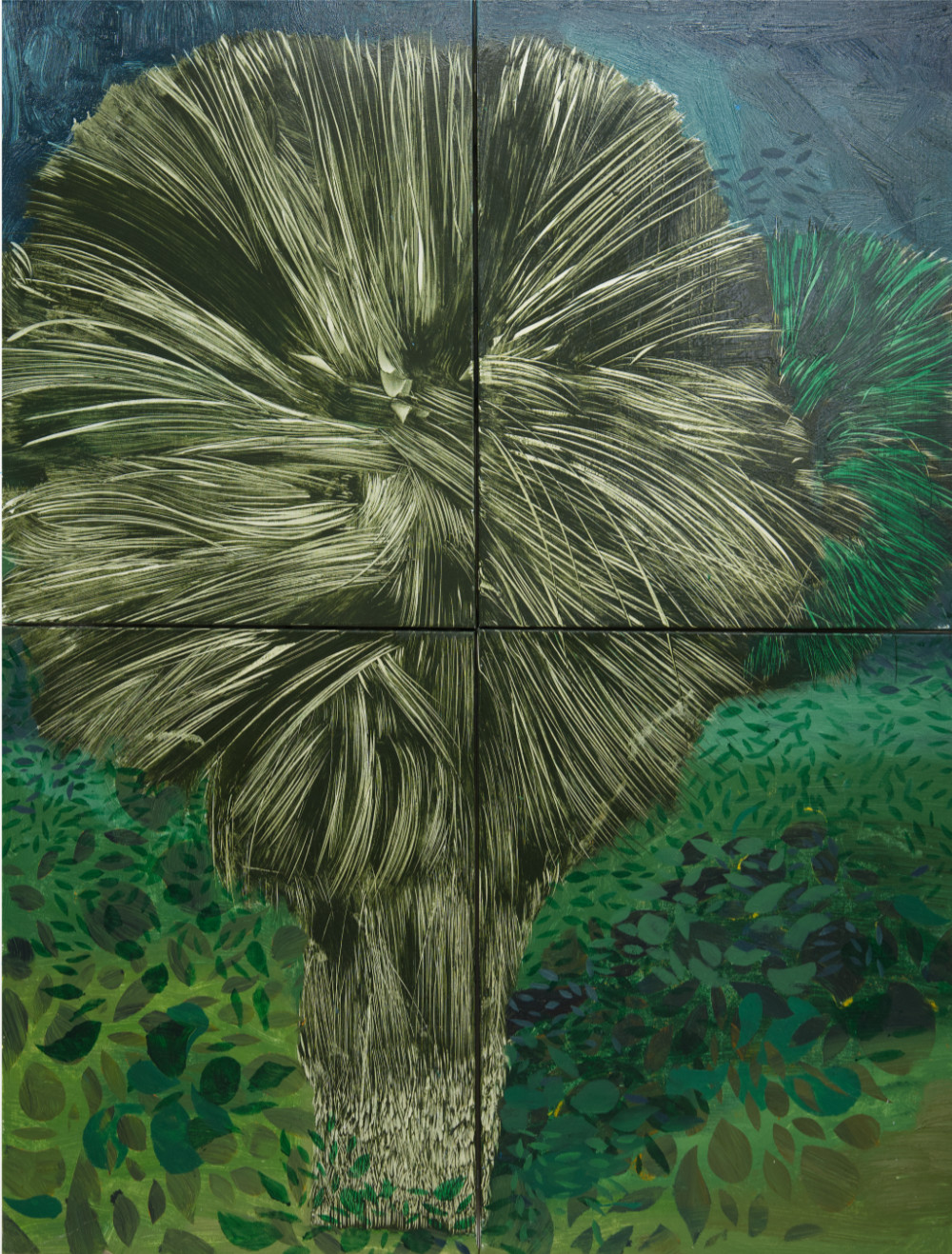
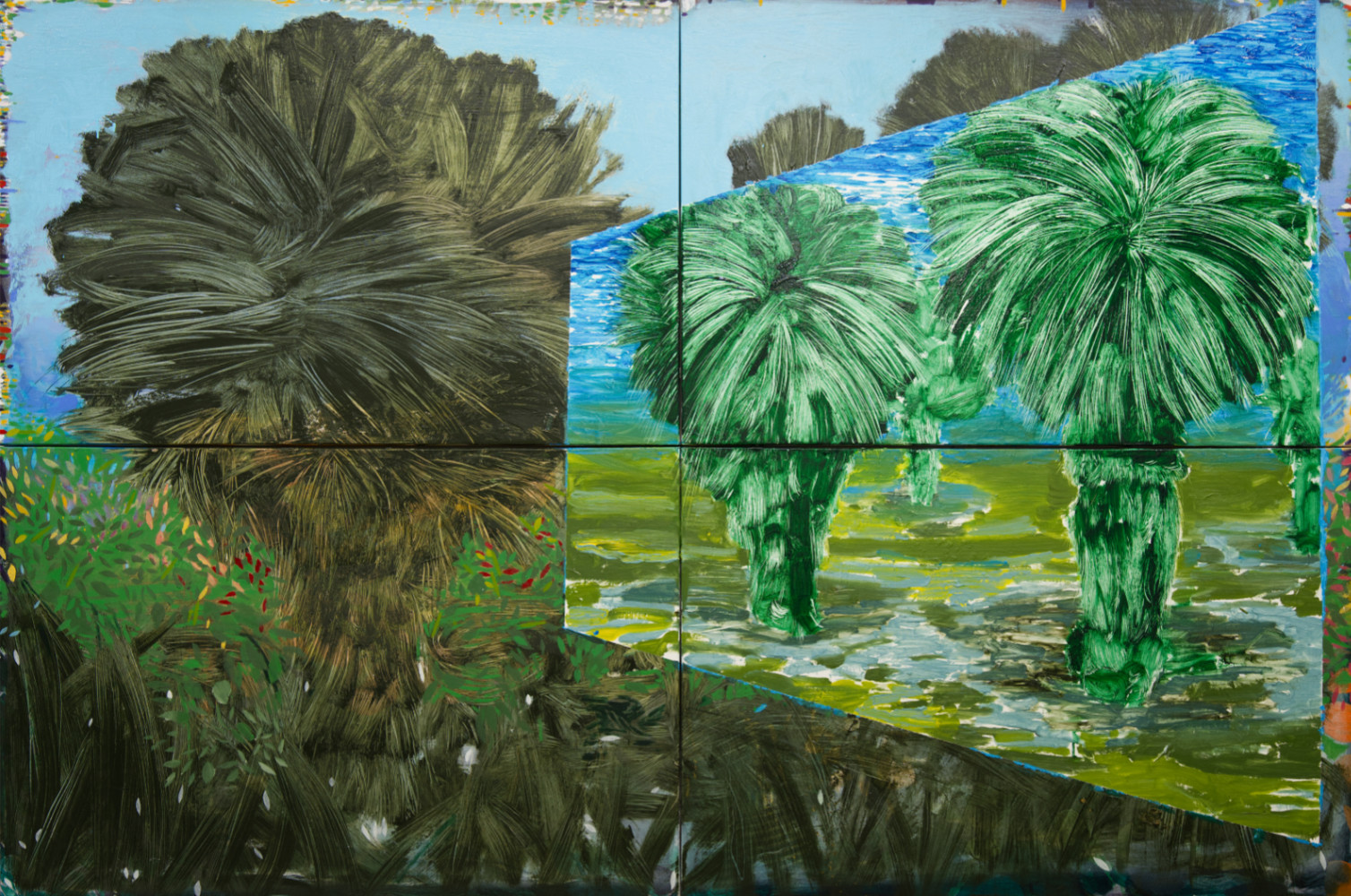
Mirage is my current series of oil paintings, and it started with a night walk. During a 2025 residency at Angelo State University in San Angelo, I passed the same desert plants every evening: beaked yuccas, native to the Chihuahuan Desert, standing along the campus paths. Under the streetlamps they lost their daytime color. The blades went pale against the dark, and the plants stopped reading as plants. They held the path like figures holding their ground, lit from above and unwilling to explain themselves.
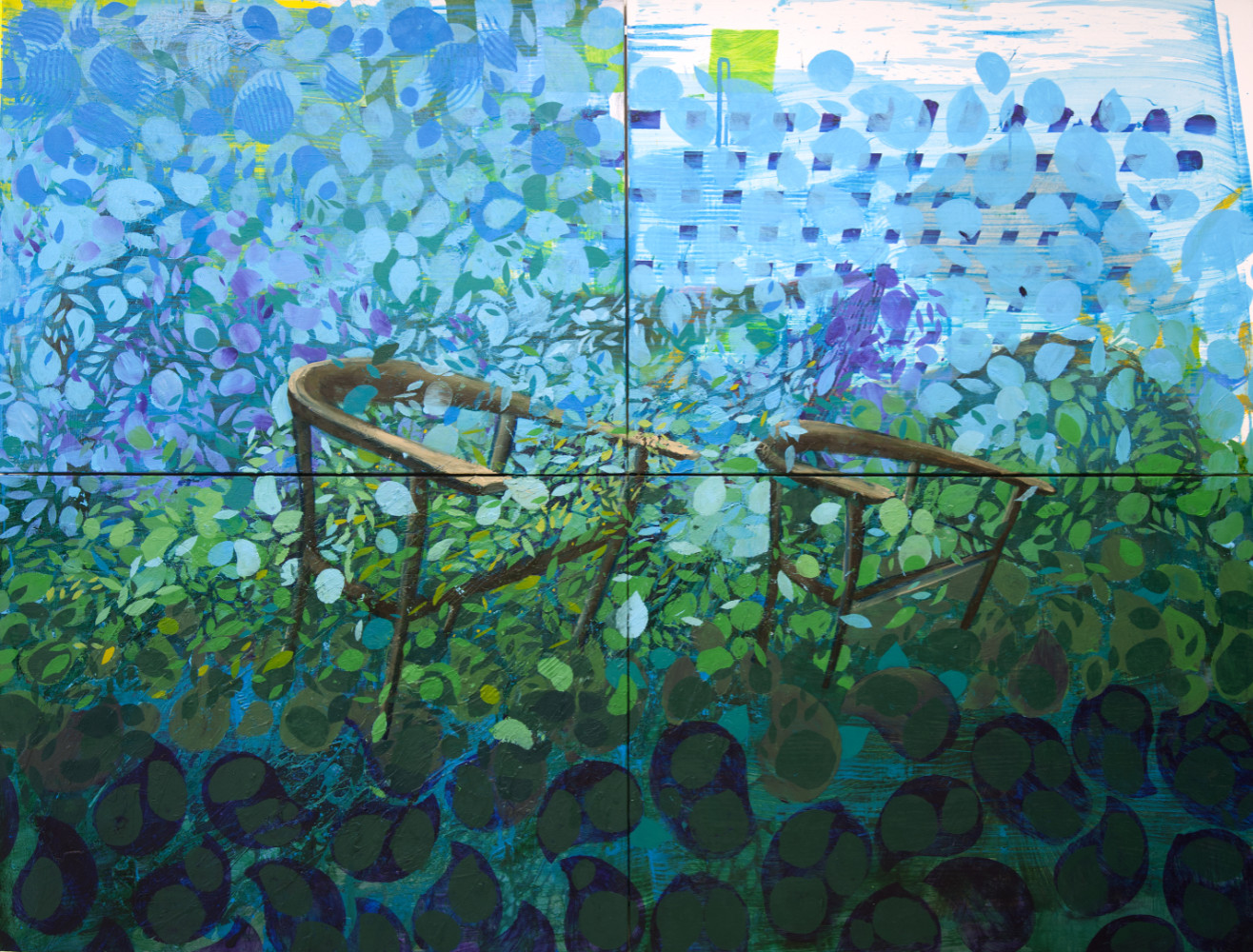
I photographed them and carried them into the studio, and the paintings followed that first impression rather than the botany. In Mirage the land takes on the habits of a body. A ridge carries the line of a shoulder. A dark field gathers the way a person gathers before speaking. Distance does to a horizon what it does to a figure across a room: it strips the detail and leaves the presence. This is the ground of my abstract figurative art. I am an abstract figurative artist, and my figure does not always arrive in human shape. Sometimes it arrives as a shoreline at night, lit in pieces, doubled in black water, there and not there at the same time.
That is why the series belongs on a page about Lewisville. This town has its own version of the same sight. Stand on the Lewisville Lake shore after dark and the far side reduces to a line of lights on black water, each light doubled by its reflection, the land itself present mostly as an absence between them. Mirage runs to eleven paintings, from small canvases of 11 by 14 inches to Mirage 11 at 60 by 80 inches. Readers looking for original paintings in Lewisville will find every canvas on the Mirage series page, and the current originals in the online store.
Visiting, and where the record continues
A Lewisville art day is compact. Start in Old Town: see what is on the walls at the Grand’s gallery, check the theater’s calendar, and stand in Wayne Ferguson Plaza at the hour when the light goes. Then drive north to the lake and finish the day on the shore. The map on this page centers on Old Town Lewisville and the Grand Theater. The Mirage series page carries the paintings in full, and the online store carries the originals. My statewide record hangs together on the Texas hub page. The Carrollton page tells the story of the arrival town next door, and the Dallas page carries my exhibition record in the city. The formal lines are on my CV page, and all the town pages of this site meet on the Market page. Lewisville has no wall of mine yet. It has a stage, a gallery, and a lake that turns into a painting every night, and that is why it is here.
Frequently Asked Questions
Has Bartosz Beda exhibited in Lewisville?
I have no Lewisville exhibition to report, and this page does not invent one. My Texas record stands nearby: solo exhibitions in Dallas and Plano, a museum solo exhibition in Brownsville, a residency in San Angelo where Mirage began, and five studio years in Mesquite. My studio and my art academy are now in Richardson, southeast of here.
What is the Lewisville Grand Theater?
The Lewisville Grand Theater is the city’s own arts center at 100 North Charles Street in Old Town. It opened with a three day celebration on January 14 to 16, 2011. It is a 40,000 square foot building: a performance hall of about 300 seats, a black box theater, a recital hall, classrooms, a courtyard stage, and an art gallery. It is the first publicly operated arts center in southern Denton County.
What is Wayne Ferguson Plaza in Lewisville?
Wayne Ferguson Plaza lies between City Hall and the Grand. It opened in 2015 on land that had been a parking lot: 1.5 acres of lawns, shade, and water features, designed around the way water carves the North Texas tallgrass prairie. It holds concerts, festivals, and a farmers market, and on summer evenings the whole of Old Town seems to be standing on its grass at once.
What is the oldest standing structure in Lewisville?
The Lewisville Playhouse performs in a building raised in 1885, the oldest standing structure in the city. It stands in Old Town, the few blocks of Main Street and Church Street that hold City Hall, small shops and restaurants, and the arts center the city chose to build in its old center instead of out by the highway.
How did Lewisville Lake form?
The lake came in two acts. In 1927 the Garza Dam was completed on the Elm Fork of the Trinity River, and the water behind it became Lake Dallas. After the River and Harbor Act of 1945, the Army Corps of Engineers built the much larger Garza-Little Elm Dam, with impoundment beginning on November 1, 1954. In 1957 the old Garza Dam was breached and Lake Dallas folded into the new reservoir. The lake was officially renamed Lewisville Lake in the mid 1970s.
How long is the Lewisville Lake dam?
The dam is a wall of compacted earth 32,888 feet long, more than six miles. The lake behind it runs thirteen miles long, with 183 miles of shoreline, holding 436,000 acre feet of water at its conservation level. The Corps of Engineers still operates it, storing water for Dallas, Denton, and the towns around them.
How did Lewisville get its name?
The place was first called Holford’s Prairie, for the families of John W. King and of John and James Holford, who settled the prairie in 1844. In 1853 Basdeal W. Lewis bought the Holford properties, laid out a town, and named it for himself. By the late 1860s the young town held a gristmill, a cotton gin, and a church.
When did Lewisville incorporate?
Lewisville incorporated on January 15, 1925, by a margin of seventeen votes, with a population of 815. The railroad had decided where the town would stand: the Dallas and Wichita Railroad reached a point just south of Lewisville in 1875, and the community shifted toward the tracks, to the ground now called Old Town.
What changed Lewisville in the 1970s?
The opening of Dallas Fort Worth International Airport in 1974, a few miles south, pulled growth into the town the lake had already changed. When the reservoir filled in the 1950s, Lewisville stopped being a farm town at the end of a rail line and became a suburb with water at its edge. Today Lewisville counts more than 133,000 people.
Why do the Mirage paintings belong on Lewisville’s page?
Mirage began with desert plants seen under lamps at night during my San Angelo residency, and the paintings are about presence seen through distance and dark. Lewisville has its own version of the same sight. Stand on the Lewisville Lake shore after dark and the far side reduces to a line of lights on black water, each light doubled by its reflection, the land itself present mostly as an absence between them.