
Richardson, Texas: My Teaching Studio and the Art Be You Academy
Richardson is where my working week actually happens. My art academy, Art Be You, is based in Richardson, and my teaching studio sits in the middle of the city, near Arapaho Road. This is the room where the classes run, where private students work one on one with me, and where portfolio reviews happen in person. Dallas is where most of my exhibitions have been. Richardson is where the teaching is, and teaching is half of my practice. This page is about that studio, about learning to paint in this city, and about the art life Richardson has built around its university and its performing arts center.
Richardson is also a different kind of page on this site. Most of the town pages here record an exhibition or a residency, a few weeks in a place. Richardson is not a visit. It is a base, used every week of the year. The paintings go out from the Dallas area to galleries and museums across the country. The students come here.
The studio and the academy
Art Be You has been based in Richardson since 2018. The academy is my teaching practice: painting classes for adults, private lessons, and portfolio reviews, all built around the same belief I paint by, that painting is learned by painting, with a working artist in the room. The regular class rhythm is acrylic painting on Tuesday evenings and watercolor on Thursday evenings, and the class pages carry the current schedule and enrollment details. This page stays general on purpose. Schedules change. The studio does not.
The classes are small. A handful of students at a time is the working size, because painting teaching is mostly looking: at your canvas, at the color you just mixed, at the decision you are about to make. In a small room that looking can be individual. Students come from Richardson itself and from across the north side of the metroplex. Dallas, Plano, Addison, and Garland are all named on my academy page because their students make the drive every week. Some arrive having never held a brush. Some arrive with years of watercolor behind them and a specific problem to solve. Both belong in the same room, because each painter works on their own painting.
Alongside the studio classes, I run painting workshops for senior communities across Dallas and Fort Worth, including communities in Richardson and Plano. For those sessions I bring everything with me, and the residents leave with a finished painting of their own. The academy page on this site and the academy site itself, both linked below, carry the details of classes, private lessons, and reviews.
How I teach
One rule of the studio matters to how I teach: there is no fixed week by week plan imposed on a class. Painting does not develop on a timetable, and a plan written in advance cannot know what the students in front of me need that evening. So I conduct each session as it comes. A class might spend its time on color mixing, because three paintings in the room are stuck on the same muddy green. Another might be drawing, because the paintings are failing at the drawing stage and no amount of paint will fix that. The subject flexes. The standard does not.
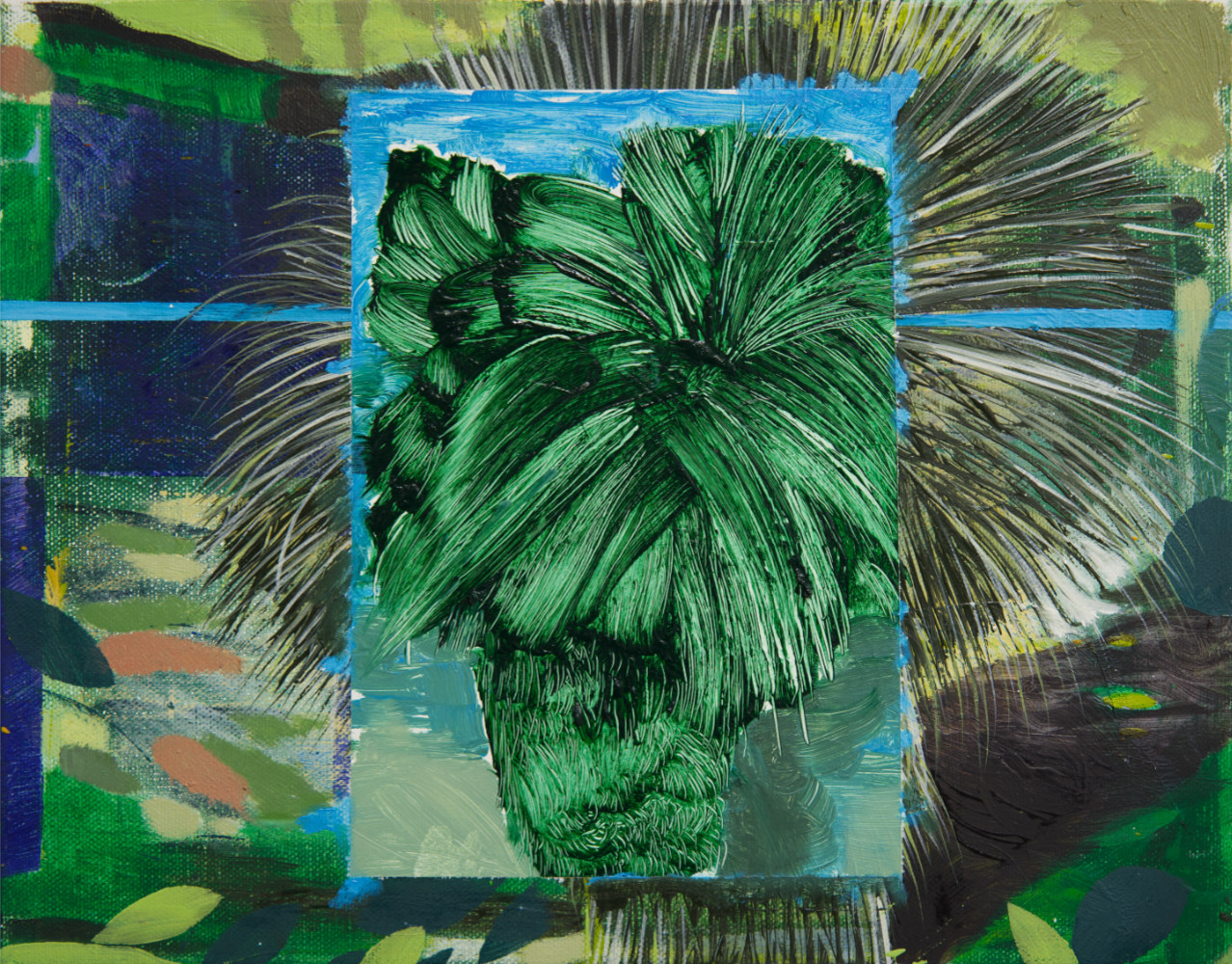
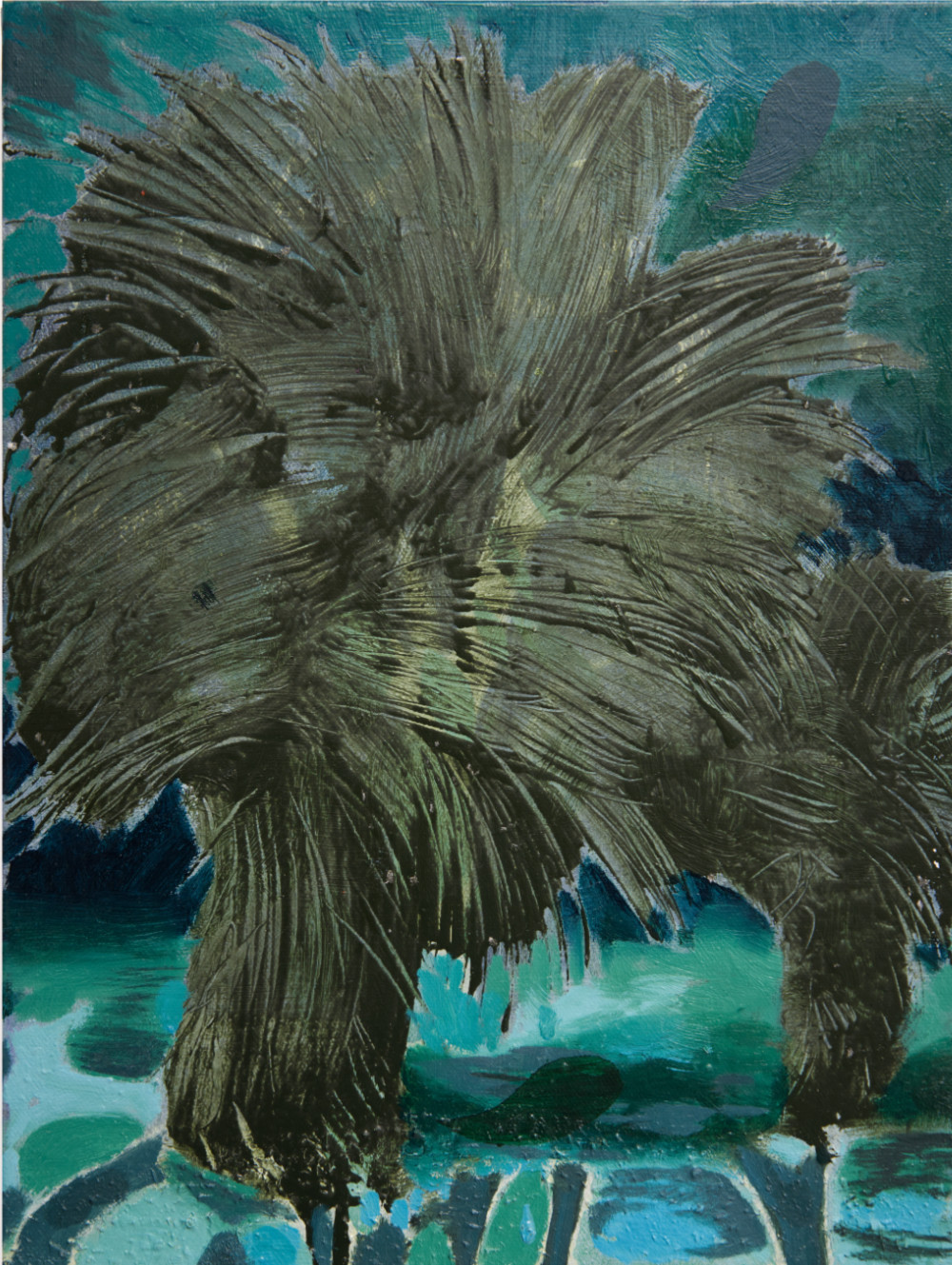
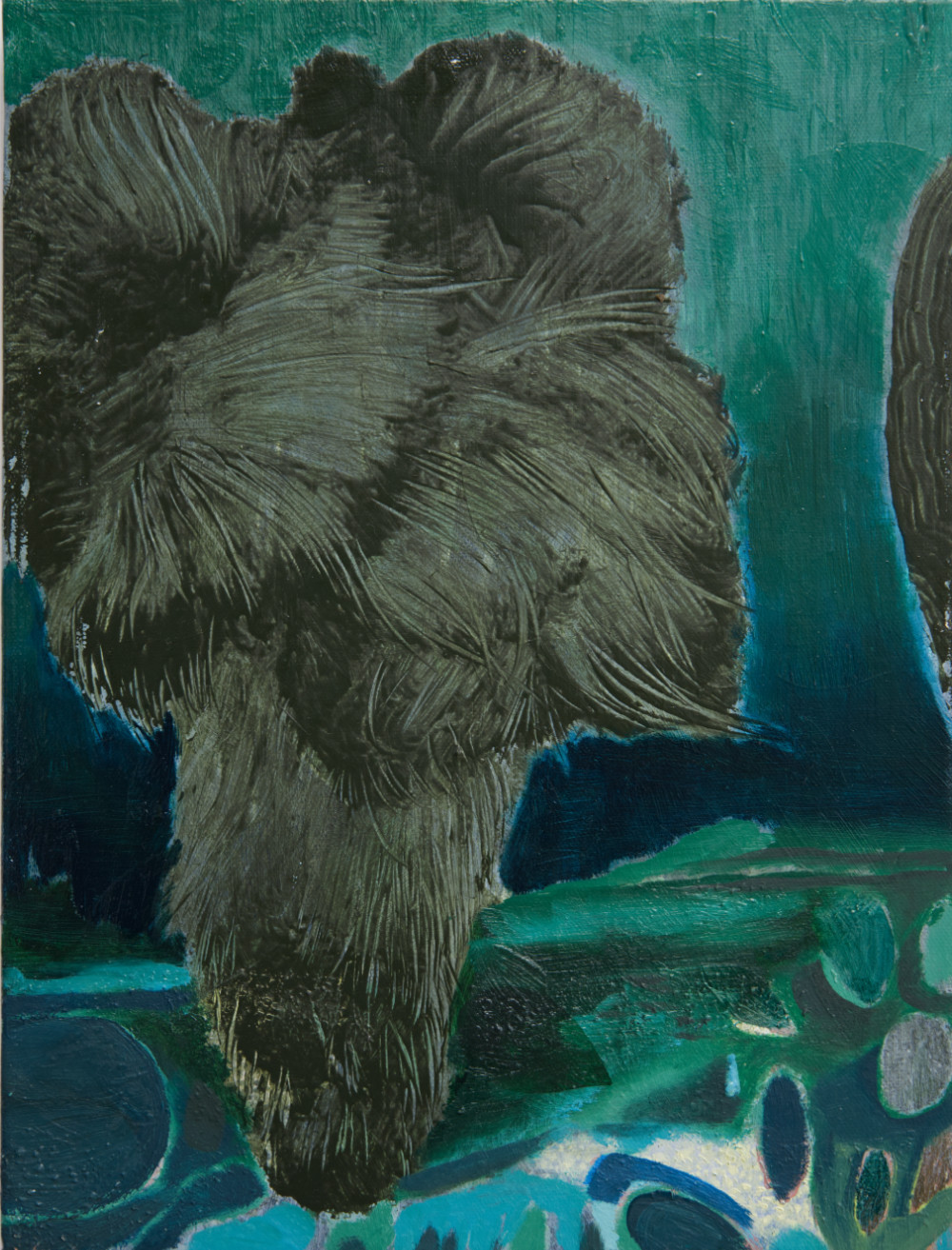
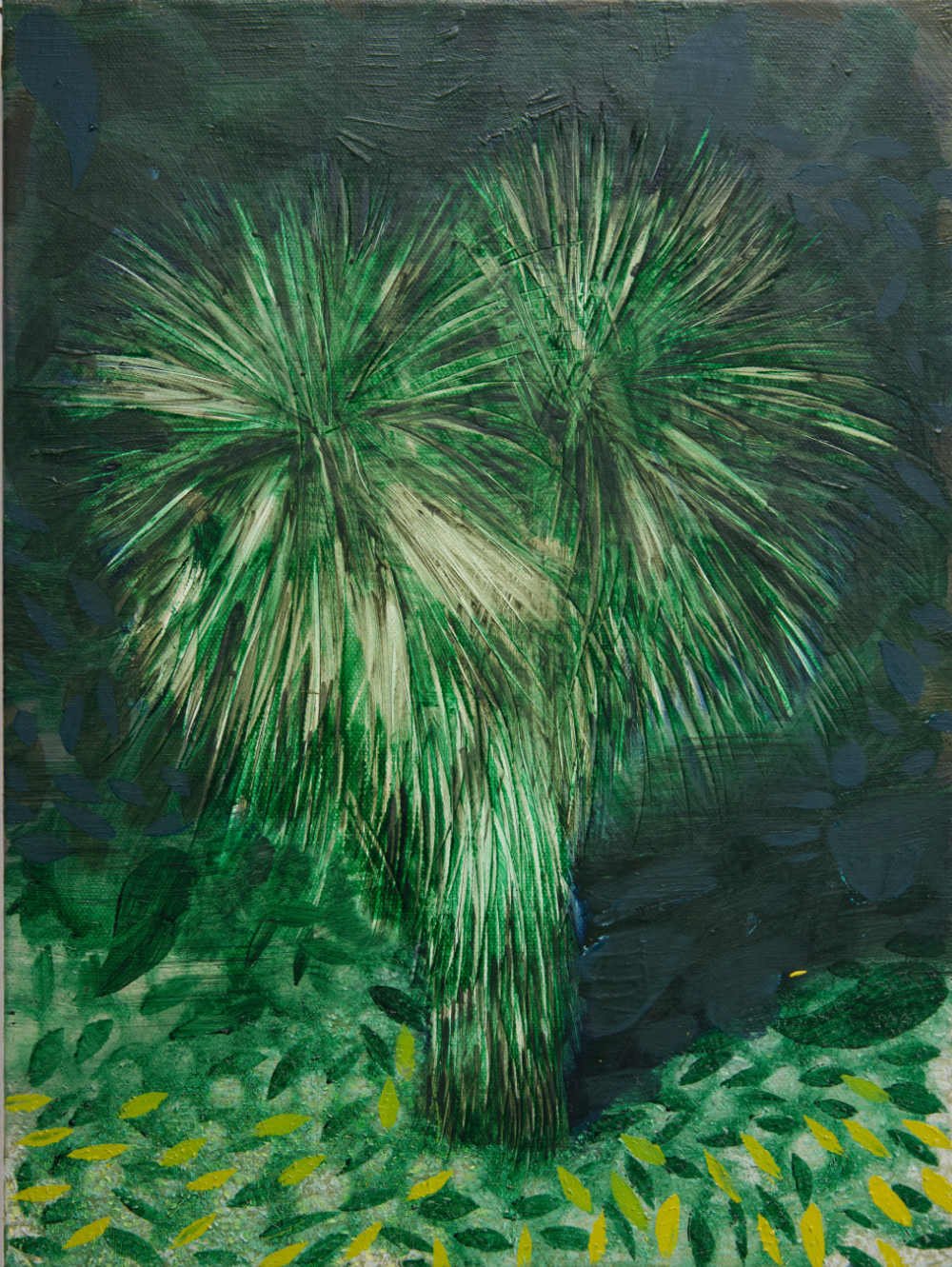
What students learn first is seeing. Value before color. Big shapes before detail. How a foreshortened figure actually sits in space, which is also the problem my own abstract figurative painting works on. Teaching and painting feed each other in this studio. The questions adults ask in a Richardson classroom on a Tuesday night are practical versions of the questions I ask a canvas the next morning. That is why the academy has stayed in one city and one room. It is not a franchise idea. It is a working studio that teaches.
Richardson: a railroad town that became the Telecom Corridor
Richardson began with a railroad. Settlers from Kentucky and Tennessee farmed this part of North Texas from the 1840s, and a small settlement called Breckinridge stood near what is now Richland College. In 1873 the Houston and Texas Central Railway built its line northwest of Breckinridge and laid out a new town on land donated by William J. Wheeler and Bernard Reilly. Wheeler declined to have the town named for him, and it took the name of E. H. Richardson, the railroad contractor who built the line from Dallas to Denison. Richardson was chartered in 1873 and incorporated in 1925. In 1908 the Interurban, an electric railway, connected the town to Dallas, Fort Worth, Waco, and Denison.
For most of its first century Richardson stayed small: a depot, cotton, and farmland. The change came with electronics. Collins Radio and then Texas Instruments put down roots along the corridor north of Dallas, and in the 1980s the telecommunications firms followed in force. The stretch of Richardson along Central Expressway became the Telecom Corridor, today home to more than 500 high technology and telecommunications companies, with more than 80,000 people working in the city each day. The 2020 census counted 119,469 residents. The modern city is a working suburb that is also an employment center in its own right: the Galatyn Park district and the Eisemann Center at its north end, the CityLine development, a 186 acre mixed use district anchored by large corporate campuses, at its east, and a university of about 30,000 students in the middle of it. The visitor bureau tells the city’s own story on its about page, linked below.
UT Dallas and the Crow Museum
The University of Texas at Dallas is the other half of modern Richardson. It began in 1961 as the Graduate Research Center of the Southwest, founded by Eugene McDermott, Cecil Green, and J. Erik Jonsson, the founders of Texas Instruments, who needed research scientists on their own ground. In 1969 the center joined the University of Texas System and became UT Dallas. It is now a public research university of about 30,000 students, with the Harry W. Bass Jr. School of Arts, Humanities, and Technology teaching art alongside the engineering and science schools that built its name.
In September 2024 Richardson changed as an art town. The Crow Museum of Asian Art opened its second location on the UT Dallas campus, the first building of the Edith and Peter O’Donnell Jr. Athenaeum, a planned arts district on the campus. The downtown Dallas Crow Museum, open since 1998, had gifted its collection to the university in 2019. The Richardson building, designed by Morphosis, is about 57,000 square feet, with the Crow collection and further galleries for the university art collections. Admission is free, and the museum is open Tuesday to Sunday. The university also runs the SP/N Gallery on campus, a free public gallery with rotating exhibitions of contemporary art. A painter teaching in Richardson now works a few miles from one of the largest Asian art museums in the Southwest and a working university gallery.
A short guide to art in Richardson
The city’s own venue is the Charles W. Eisemann Center for Performing Arts, at Galatyn Park, open since September 2002. It is home to the Richardson Symphony Orchestra and presents theatre, dance, and concerts through the year. For visual art, its Forrest and Virginia Green Mezzanine Gallery hosts rotating exhibitions, including the Richardson Civic Art Society annual juried exhibition, and the gallery is free to view. The center, its foyer, and the gallery are open to the public Monday to Saturday, from 10 in the morning to 6 in the evening, and during public events. The center tells its own story on its about page, linked below.
Around those anchors sits a practical art city. The Crow Museum and the SP/N Gallery at UT Dallas cover the museum and contemporary sides. The Eisemann Center covers performance and the civic art society scene. CityLine and the Galatyn Park district give the north end of the city public space built for events rather than only offices. For a city of Richardson size, that is a working art scene, most of it free to walk into, and all of it within a short drive of the studio where I teach.
Learning to paint in Richardson
People search for painting classes in Richardson for a simple reason: they live here, or in Plano, Addison, or north Dallas, and they want to learn from someone who paints for a living. That is what the academy is. I am an abstract figurative artist. My own work paints the human figure pulled out of its usual shape, built from drawing, memory, and the pressure of the brush. In class I teach the ground that work stands on: drawing what you actually see, mixing color cleanly, building a painting in layers, and knowing when to stop. Acrylic for students who want a direct, fast medium. Watercolor for students who want the discipline of a medium that cannot be taken back.
If you are looking for art classes in Richardson, the honest description of mine is this. Small groups. Evenings. A working painter teaching in his own studio, with no fixed curriculum imposed on the room, and each student on their own painting from the first session. Private lessons and portfolio reviews run from the same room for students who want the time to themselves. Current dates, prices, and open seats live on the academy page and the academy site, linked below, because those change and this page should not go stale.
Richardson in my record
So Richardson is not a stop on my exhibition record. It is the base the record is made from. The paintings go out to Dallas, to Plano, to Ohio and Serbia, and further. The students come here. My biography and CV pages carry the exhibition record in full, and the online store carries the current paintings. The other town pages of this site hang together on the Market page, including the Dallas page and the Plano page, where the Echoes of Seasons solo exhibition at Collin College is recorded. If you live in Richardson and want to see the work or learn the craft, you are already in the right town.
Frequently Asked Questions
Where is Bartosz Beda’s teaching studio?
My teaching studio is in Richardson, near Arapaho Road, in the middle of the city. Art Be You, my art academy, has been based in Richardson since 2018. Dallas is where most of my exhibitions have been. Richardson is where the teaching is, and teaching is half of my practice.
What classes run at the Richardson studio?
The regular rhythm is acrylic painting on Tuesday evenings and watercolor on Thursday evenings. Private lessons and portfolio reviews run from the same room. The class pages carry the current schedule and enrollment details, because schedules change and the studio does not.
How big are the painting classes in Richardson?
The classes are small. A handful of students at a time is the working size, because painting teaching is mostly looking: at your canvas, at the color you just mixed, at the decision you are about to make. Some students arrive having never held a brush. Some arrive with years of watercolor behind them. Each painter works on their own painting.
Is there a fixed curriculum in the Richardson classes?
No. There is no fixed week by week plan imposed on a class, because a plan written in advance cannot know what the students in front of me need that evening. A class might spend its time on color mixing, because three paintings in the room are stuck on the same muddy green. Another might be drawing. The subject flexes. The standard does not.
What do students learn first in the Richardson studio?
Seeing. Value before color. Big shapes before detail. How a foreshortened figure actually sits in space, which is also the problem my own abstract figurative painting works on. The questions adults ask in a Richardson classroom on a Tuesday night are practical versions of the questions I ask a canvas the next morning.
Does Bartosz Beda teach outside the Richardson studio?
Yes. Alongside the studio classes, I run painting workshops for senior communities across Dallas and Fort Worth, including communities in Richardson and Plano. For those sessions I bring everything with me, and the residents leave with a finished painting of their own.
How did Richardson get its name?
In 1873 the Houston and Texas Central Railway laid out a new town on land donated by William J. Wheeler and Bernard Reilly. Wheeler declined to have the town named for him, and it took the name of E. H. Richardson, the railroad contractor who built the line from Dallas to Denison. Richardson was chartered in 1873 and incorporated in 1925.
What is the Telecom Corridor in Richardson?
The Telecom Corridor is the stretch of Richardson along Central Expressway where electronics and telecommunications firms put down roots, starting with Collins Radio and Texas Instruments. Today it holds more than 500 high technology and telecommunications companies, and more than 80,000 people work in the city each day. The 2020 census counted 119,469 residents.
What art museum opened in Richardson in 2024?
In September 2024 the Crow Museum of Asian Art opened its second location on the University of Texas at Dallas campus, the first building of the Edith and Peter O’Donnell Jr. Athenaeum. The building, designed by Morphosis, is about 57,000 square feet, and admission is free. The university also runs the SP/N Gallery on campus, a free public gallery with rotating exhibitions of contemporary art.
What is the Eisemann Center in Richardson?
The Charles W. Eisemann Center for Performing Arts stands at Galatyn Park and has been open since September 2002. It is home to the Richardson Symphony Orchestra and presents theatre, dance, and concerts through the year. Its Forrest and Virginia Green Mezzanine Gallery hosts rotating exhibitions, including the Richardson Civic Art Society annual juried exhibition, and the gallery is free to view.