
San Angelo, Texas: A Residency, a Solo Exhibition, and the Start of Mirage
San Angelo is a West Texas city built where the three branches of the Concho River meet, about three hours west of my Dallas studio. In 2025 it became one of the most important places in my recent work. I spent four weeks there as the Edwards Trust Resident Artist in Painting at Angelo State University, and two bodies of work came out of that stay: the Echoes Vitae paintings and the first ideas of the Mirage series.
The Edwards Trust Residency at Angelo State University
The residency ran from August 25 to September 19, 2025. It was funded by the Joseph Henry and Winona Edwards Family Trust and carried a stipend of 7,000 dollars. My base was the Carr Education and Fine Arts Building on the university campus. My solo exhibition, Echoes Vitae, ran in the university Gallery 193 from September 1, 2025, and it was later extended to October 31, 2025. On Thursday, September 18, 2025, I gave a public lecture and the exhibition held its opening reception. One new painting from the residency entered the permanent collection of the university Art Program, where it stays in San Angelo.
A residency is not only studio time. This one was built around contact with students: classroom visits, time with the fine arts students, and direct work with them in their own rooms. Teaching is half of my practice, and at Angelo State the teaching and the painting happened in the same building, in the same weeks.
Angelo State University: a college the city built for itself
Angelo State University began as an act of local stubbornness. After San Angelo lost its 1923 bid to host Texas Technological College, residents decided to build a college of their own. Local contributions and a self imposed county tax paid for it. San Angelo Junior College opened in 1928 on North Oakes Street near downtown, with 112 students in its first classes and six graduates the following spring. The school survived the Great Depression, shortened its name to San Angelo College, and moved to its present campus after the Second World War. In 1965 it became a four year, state supported college, and in 1969 it took its present name, Angelo State University. Today it serves more than 10,500 students. My residency sat inside that history: a university the town taxed itself to create, still putting its resources behind visiting artists almost a century later. The university tells its own story on its history page.
Angelo State University: a college the city built for itself
Postcards from San Angelo
During the residency I also ran a project for the city itself, and it cost the participants nothing. Postcards from San Angelo invited local residents to send me a photograph that mattered to them. For each photograph I painted a small original painting, 6 by 4.5 inches, signed and numbered, in a single sitting of about 45 to 60 minutes, and sent it back with a handwritten note. I painted twenty people in all, and that was the whole of my engagement with the community. The project was covered by my fellowship, so no one was ever charged. It was my form of giving back for what I received from that environment, and I was glad to do it. An artist leaves paintings in galleries. I also wanted to leave a small mark of myself in the homes of the people who live there.
Where Mirage began
The Mirage series began on that campus. Walking the university pathways at night, I kept photographing the beaked yuccas planted along them, lit from above by streetlamps, their shapes bending in the dark. Back in the studio I abstracted those photographs through handmade stencils, and the plants became the floating, half organic forms of Mirage. The Echoes Vitae series, ten works in ink and acrylic on paper, was the body of work in the Gallery 193 exhibition. A painter goes to a residency hoping the place will change the work. San Angelo did, twice.
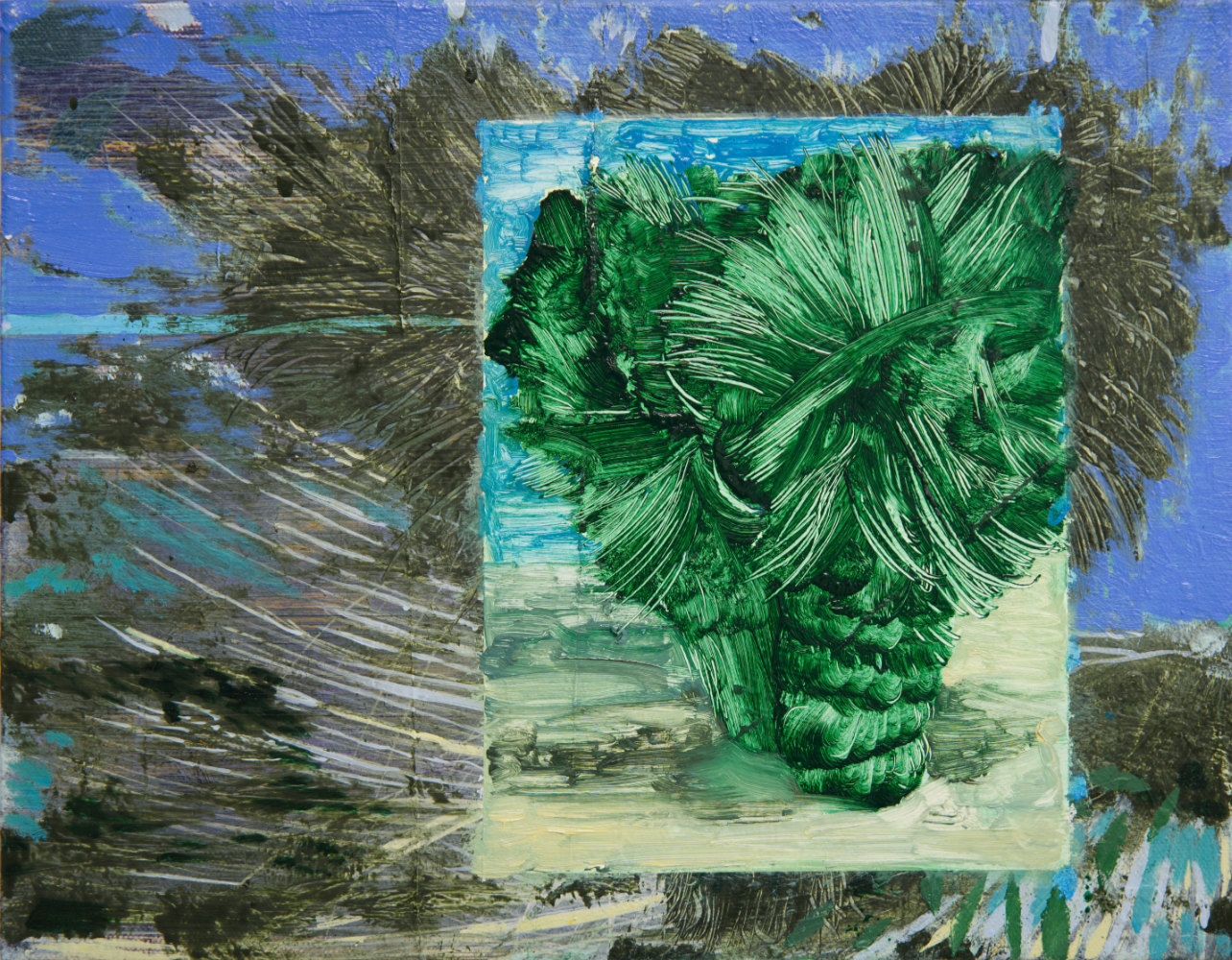
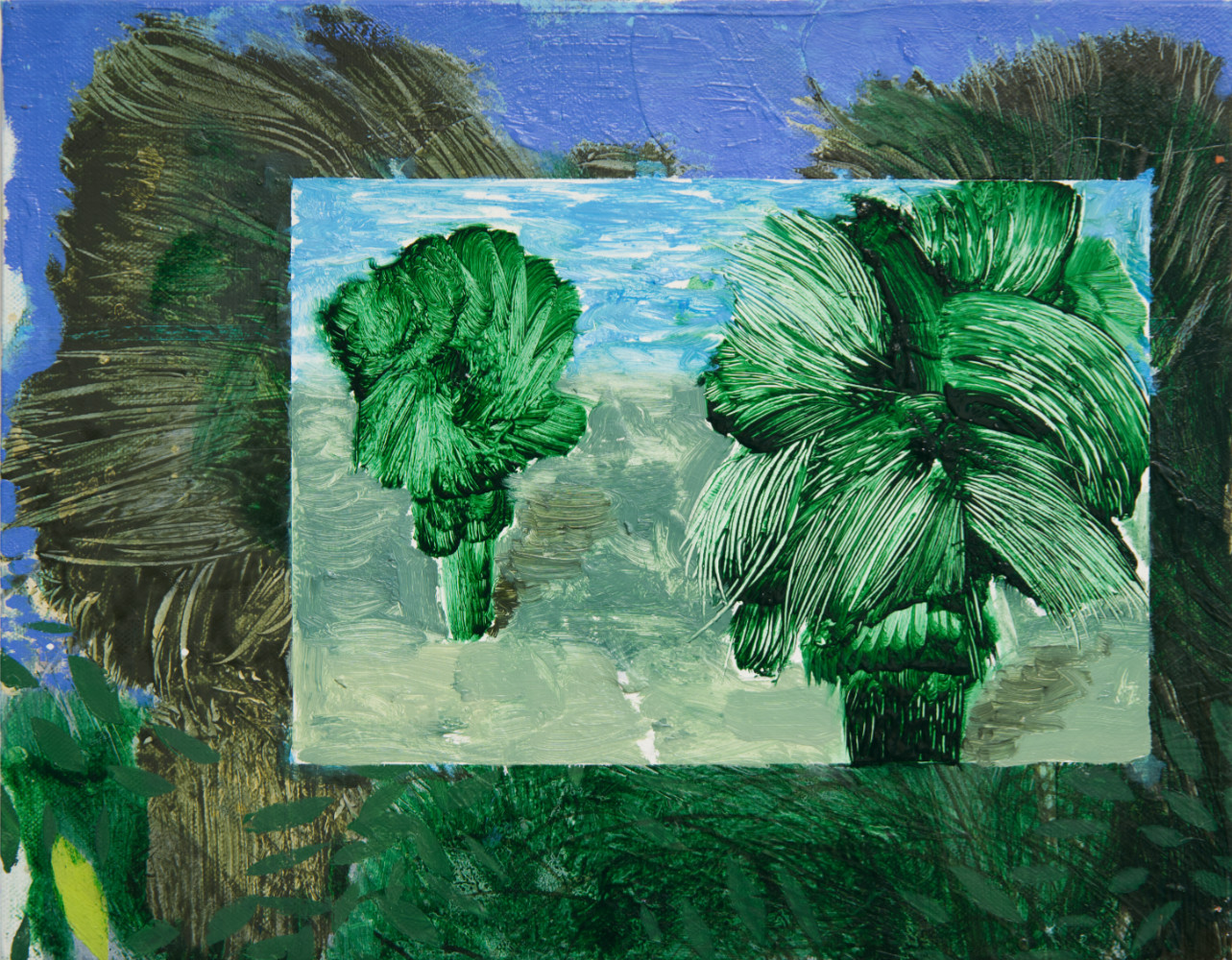
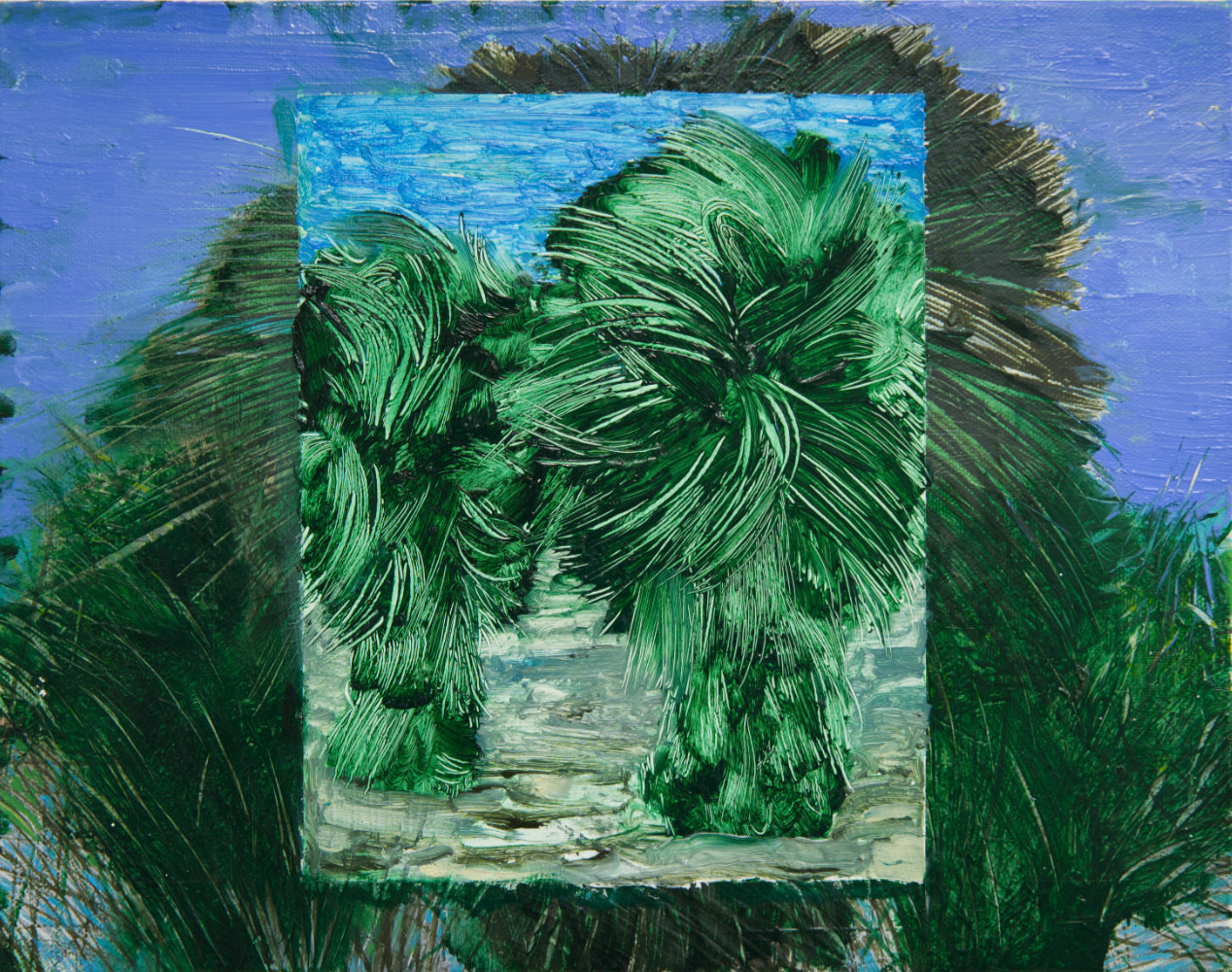
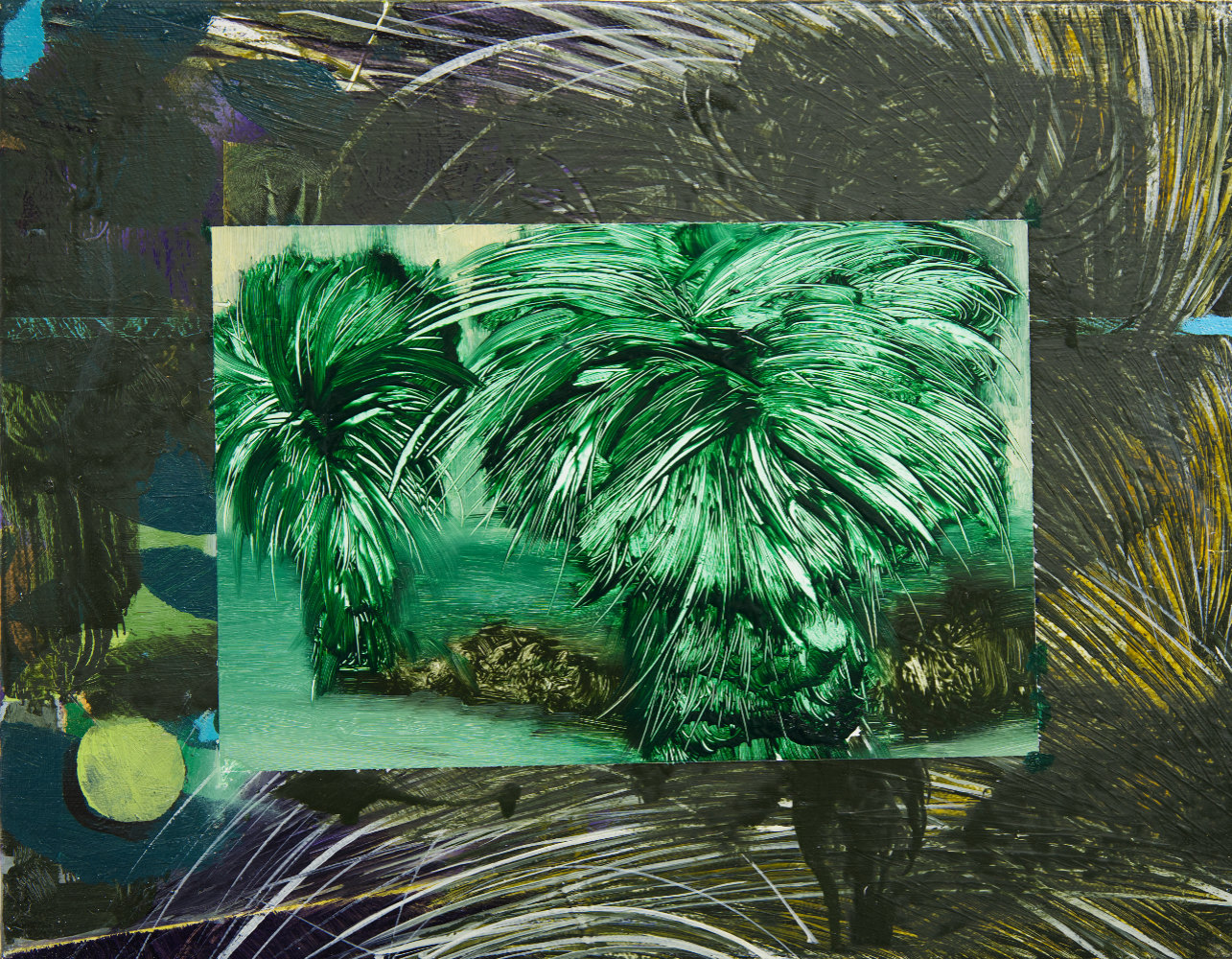
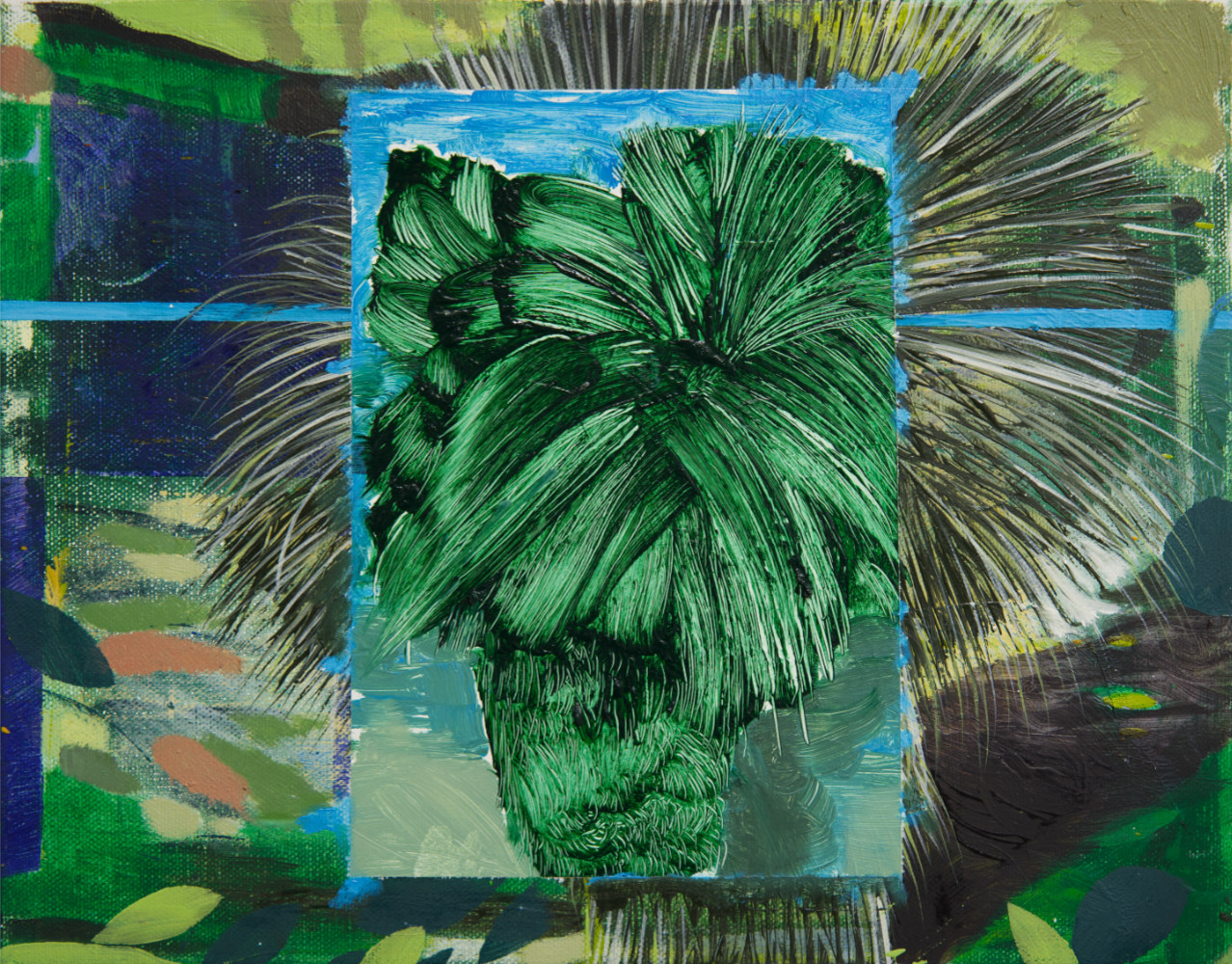
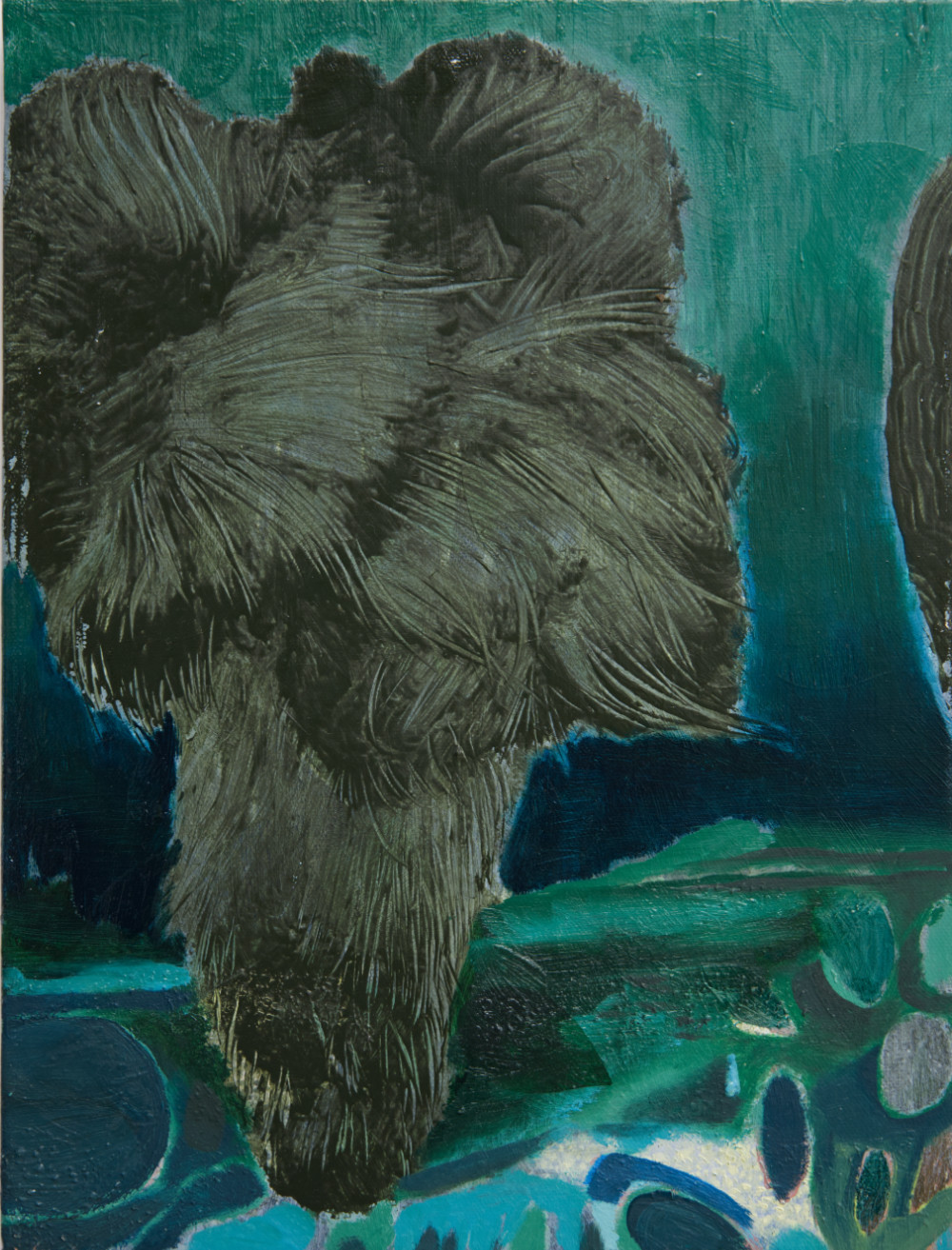
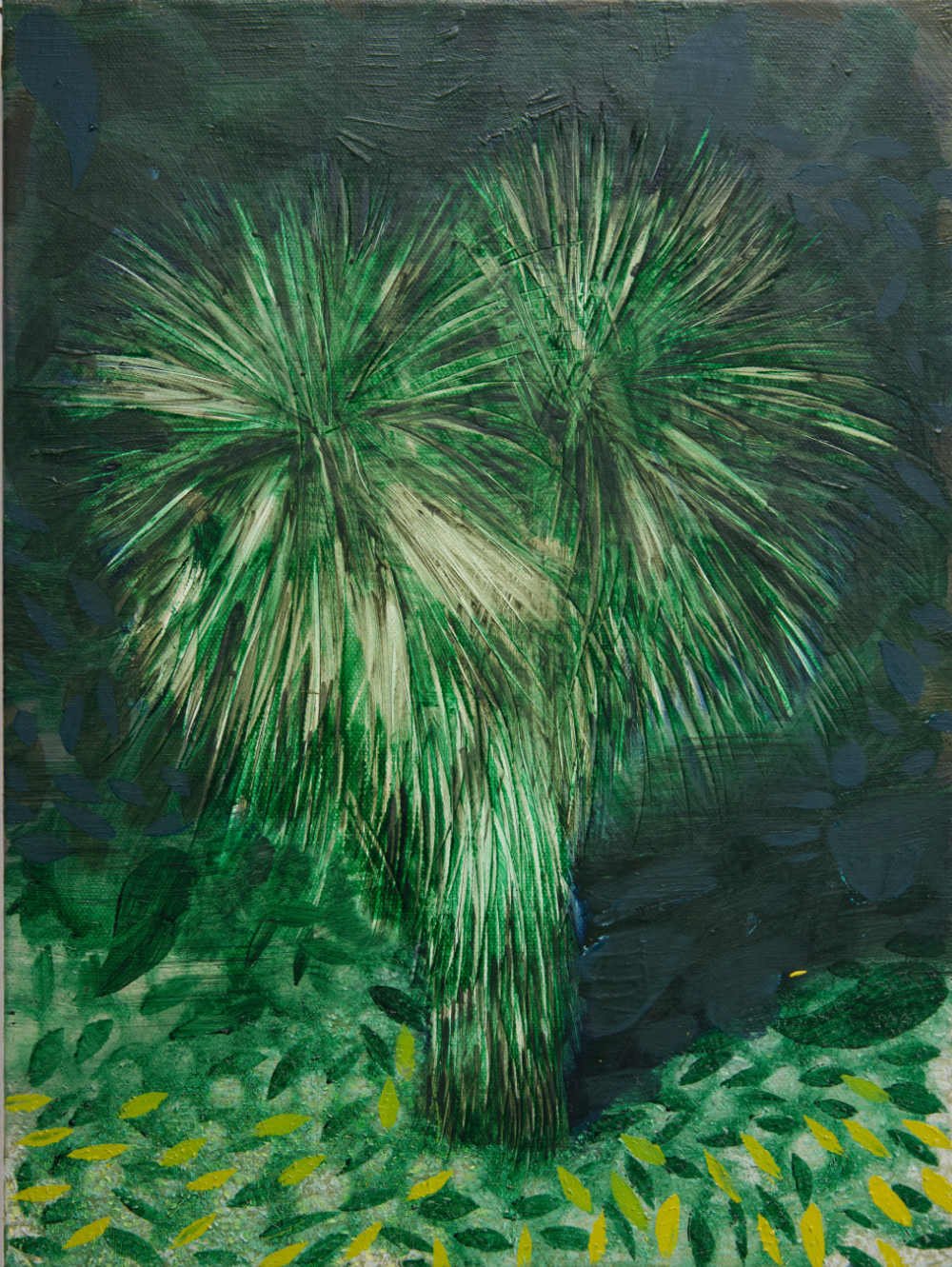
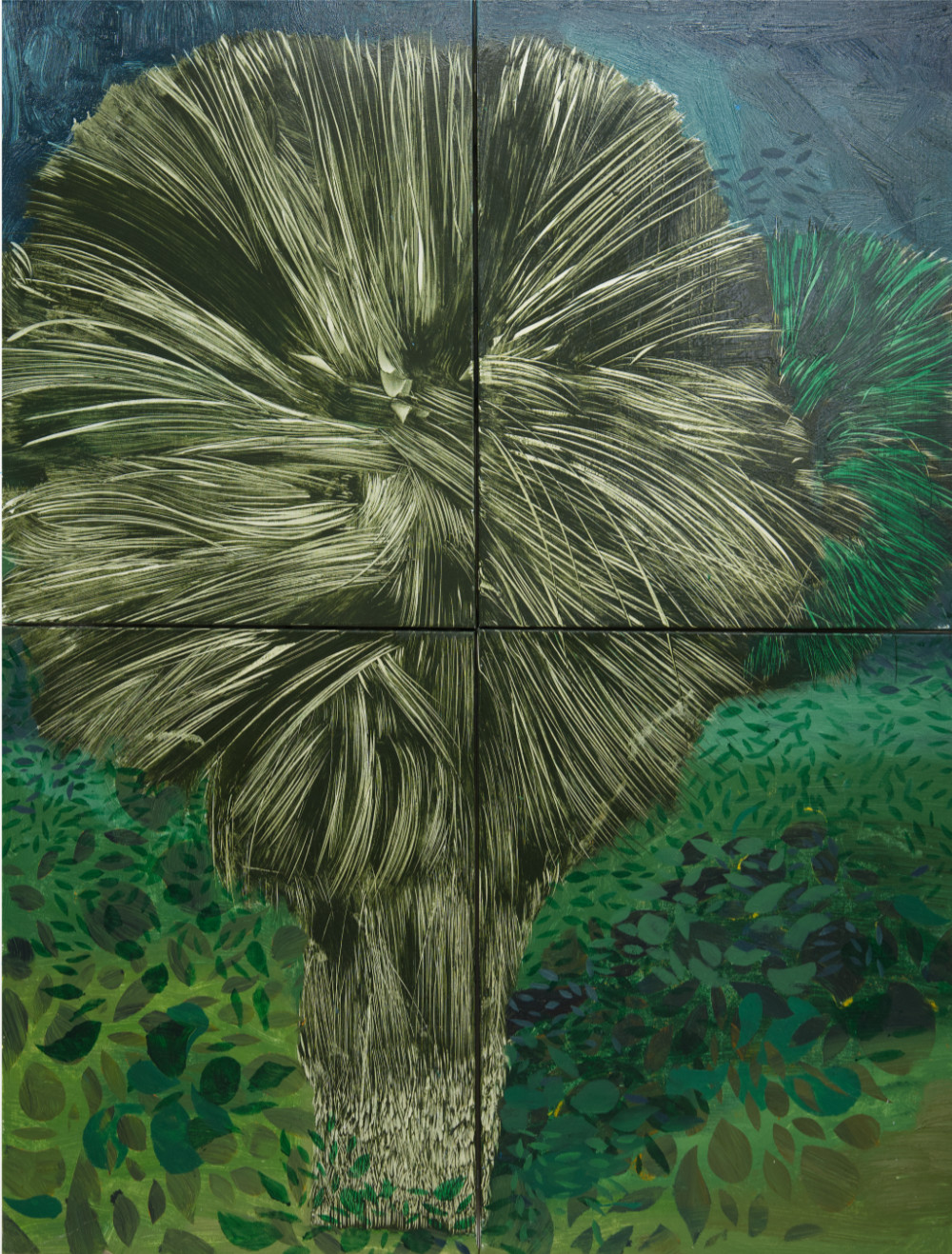
See the Mirage series page for the paintings and their story, and the Mirage gallery in the online store for the works available now.
Art in San Angelo
San Angelo has an art scene out of proportion to its size. The San Angelo Museum of Fine Arts was founded in 1981 and first opened in 1985 in the old Quartermaster Building at Fort Concho. In September 1999 it moved into its own building on the bank of the Concho River, designed by Hardy Holzman Pfeiffer Associates, with a curved roof that people compare to a saddle or a covered wagon, built from local limestone and Texas mesquite wood. The museum collection is strong in ceramics, and it hosts the national San Angelo Ceramic Competition, alongside contemporary and early Texas art, American glass, and Spanish Colonial and Latin American religious art.
Across town, the Chicken Farm Art Center has been running since 1971, when art teacher Roger Allen and two partners bought the buildings of a 1940s chicken farm on Martin Luther King Drive and turned them into studios and homes for artists. It still works that way today: resident artists, working studios, and galleries, under the motto Sharing the Art Spirit Since 1971. It is one of the oldest artist communities of its kind in Texas.
Under both of them sits the older city. Fort Concho was established in 1867 at the meeting of the rivers, served as headquarters for the Buffalo Soldiers of the 10th Cavalry from 1875 to 1882, and was abandoned in 1889. Its barracks, headquarters, hospital, and officers quarters survive as museum buildings, and the fort is a National Historic Landmark. The town that grew across the river from the fort became a sheep and wool center after the railroad arrived, known for years as the Wool and Mohair Capital of the World and, in the twentieth century, the largest wool and mohair market in the country. The painted sheep statues standing all over downtown, more than one hundred of them, are that history made visible.
Visiting the San Angelo Museum of Fine Arts
The museum sits at 1 Love Street, on the bank of the Concho River, and admission is free. It is open Tuesday, Wednesday, Friday, and Saturday from 10 AM to 4 PM, Thursday from 12 PM to 7 PM, and Sunday from 1 PM to 4 PM. It is closed on Mondays. The building has three galleries, two of them with ceilings forty feet high, and a rooftop sculpture terrace that looks over the river. Alongside the exhibitions, the museum runs an education wing with classrooms and ceramic studios, and a clay studio where visitors can work with their hands. Anyone planning a trip to San Angelo for the art should start here, and the museum website carries the current exhibitions and events.
Fort Concho in depth
Fort Concho deserves more than a passing mention, because the modern city grew up in its shadow. The Army built the fort in 1867 where the rivers meet, one of a chain of posts guarding the Texas frontier. Its soldiers protected settlers, stage routes, and cattle drives. From 1875 to 1882 the fort was headquarters for the Buffalo Soldiers of the 10th Cavalry, the Black troopers whose service is now honored in a memorial on the grounds. The Army left in 1889, but the limestone buildings survived. The city has owned and run the site since 1935, and in 1961 the fort was designated a National Historic Landmark. Today twenty three original and restored structures stand around the parade ground: barracks, officers quarters, a headquarters building, a hospital, and a chapel that also served as a school. The fort is open Monday to Saturday from 9 AM to 5 PM and Sunday from 1 PM to 5 PM, and the Fort Concho website lists its tours and events.
The Concho River and the water lilies
The river is the reason all of this exists. San Angelo grew where the North, Middle, and South Concho Rivers join, and water in West Texas has always meant life. Today a four mile River Walk runs along the North Concho through the middle of the city, with lit trails on both banks, gardens, outdoor art, and the Celebration Bridge linking the two sides. The American Planning Association named the Concho River Walk one of its Great Places in America in 2017. A few blocks from the river, Civic League Park holds a second body of water art of a different kind: the International Water Lily Collection. The collection began in 1988, when water lily specialist Ken Landon took over a neglected park pond. It now fills seven pools with hundreds of varieties from around the world, open to the public free of charge, with flowering displays from April to October. Landon’s own hybrids grow there, including Texas Dawn, which the Texas Legislature named the official state water lily of Texas in 2011. The city tells the collection’s story on its website. A city that keeps a world class collection of water lilies in a public park is a city that takes beauty seriously. I recognized the impulse. It is the same one that fills the park with painted sheep.
My San Angelo record is documented in full on this site: the Edwards Trust residency post, the Postcards from San Angelo post, the Echoes Vitae series page, and the Postcard from San Angelo series page are the primary sources for this page. The formal record will join my CV page when the CV is refreshed. More about San Angelo itself is on its Wikipedia page.
Frequently Asked Questions
What did Bartosz Beda do in San Angelo in 2025?
I spent four weeks in San Angelo as the Edwards Trust Resident Artist in Painting at Angelo State University. The residency also included an exhibition of the work made there. It became one of the most important stays in my recent work, and two bodies of paintings came out of it.
Which paintings came out of the San Angelo residency?
The residency produced the Echoes Vitae series, ten works in ink and acrylic on paper. It also produced the first ideas of the Mirage series, which I continued back in my Dallas studio. Both series began with what I saw while walking the campus and the city.
How did the Mirage series start in San Angelo?
Walking the university pathways at night, I kept photographing the beaked yuccas planted along them, lit from above by streetlamps, their shapes bending in the dark. Back in the studio I abstracted those photographs through handmade stencils, and the plants became the floating, half organic forms of Mirage.
What was the Postcards from San Angelo project?
During the residency I invited local residents to send me a photograph that mattered to them. For each photograph I painted a small original painting, 6 by 4.5 inches, signed and numbered, in a single sitting of about 45 to 60 minutes, and sent it back with a handwritten note. Twenty people took part.
Did the Postcards from San Angelo paintings cost anything?
No. The project was covered by my fellowship, so no one was ever charged. It was my form of giving back for what I received from that environment. An artist leaves paintings in galleries. I also wanted to leave a small mark of myself in the homes of the people who live there.
Where was the residency work exhibited in San Angelo?
The Echoes Vitae paintings were shown in the Gallery 193 exhibition at Angelo State University. A painter goes to a residency hoping the place will change the work. San Angelo did, twice: once in the ink and acrylic works made there, and once in the Mirage paintings that followed.
What is the San Angelo Museum of Fine Arts?
The museum sits at 1 Love Street, on the bank of the Concho River, and admission is free. The building holds three galleries, two of them with ceilings forty feet high, and a rooftop sculpture terrace that looks over the river. It also runs an education wing with classrooms and ceramic studios.
Why does the Concho River matter to San Angelo?
San Angelo grew where the North, Middle, and South Concho Rivers join, and water in West Texas has always meant life. Today a four mile River Walk runs along the North Concho through the middle of the city, and the American Planning Association named the Concho River Walk one of its Great Places in America in 2017.
What is Fort Concho?
Fort Concho is a frontier fort the Army built in 1867 where the rivers meet. From 1875 to 1882 it was headquarters for the Buffalo Soldiers of the 10th Cavalry. The Army left in 1889, and today twenty three original and restored limestone buildings stand around the parade ground. It is a National Historic Landmark.
What is the International Water Lily Collection in San Angelo?
It is a public collection in Civic League Park that fills seven pools with hundreds of water lily varieties from around the world. It is open free of charge, with flowering displays from April to October. One of its hybrids, Texas Dawn, was named the official state water lily of Texas in 2011.