
Padre Island, Texas: Coast Light at South Padre Island and the Mirage Paintings
Padre Island is a barrier island that runs about 130 miles along the South Texas coast. At its southern end, across the Laguna Madre from Port Isabel, stands the town of South Padre Island. That south end is the subject of this page. It is the island the Rio Grande Valley looks at. I am Bartosz Beda, a painter based in Dallas. My record in the Valley is in Brownsville, on the mainland west of the island. This page sets out that record honestly, guides the island ground at the south end, and presents my Mirage paintings. Mirage is a series about glare and distance. No ground in Texas gives it a more literal home than this one.
The island teaches a way of seeing. Heat rises off the sand and the road. The Gulf flashes on one side, and the Laguna Madre lies flat and bright on the other. Shapes across the water lose their edges. A tower, a bridge piling, a person on the beach: each one doubles and thins in the light. Painters call this a problem of vision. I call it the subject itself.
Padre Island in My Record
I have no exhibition on Padre Island itself. No gallery or museum stands on the island, and none has shown my work there. I say that plainly, as I do on every page in this set where the record sits on the mainland. My Rio Grande Valley record is real, and it is close. It belongs to Brownsville.
In 2019 I showed a solo exhibition, Paramount of Eternity, at the Brownsville Museum of Fine Art. The exhibition held more than thirty paintings. Works from that period entered the museum permanent collection. Brownsville sits at the bottom of the Valley, and the island stands in front of it. Trips for that exhibition crossed the same valley floor that ends at the causeway. The island was the view at the end of the road, the bright line east of the city.
One fact needs care. The Brownsville Museum of Fine Art closed in December 2024. The building is being remade, and the museum is set to reopen as The Mitte, expected in late 2026. So the 2019 exhibition is a past record, not a current display. My Brownsville page carries that story in full, and it is linked below. This page keeps the island in front of that record, where it belongs in the geography of the Valley.
The Causeway Town
Every road trip to the island ends the same way. Texas Park Road 100 crosses the Laguna Madre on the Queen Isabella Causeway. The bridge opened in 1974. It runs about 2.37 miles, and it is the only road that connects South Padre Island to the mainland. Before it, an earlier causeway served the island from the 1950s. Before any bridge, boats and ferries did the work. The crossing sets the terms of island life. One road in. One road out.
On the far side, the town of South Padre Island spreads along Padre Boulevard. The city incorporated in 1973, just before the new bridge opened. Its settled ground runs about six miles, from Isla Blanca Park at the south tip up the bay and the beach. The Gulf of Mexico takes the east shore. The Laguna Madre, a shallow lagoon saltier than the sea, takes the west. The town between them is narrow. In places you can hold both waters in one turn of the head.
The town lives on visitors. Spring brings students. Summer brings families. Winter brings the Winter Texans, who trade northern cold for island light for months at a time. Hotels, condos, and beach houses line the boulevard. Boats work out of the marinas on the bay side. It is a resort town, and it does not pretend to be anything else. Under the resort surface, though, the island keeps an older character: wind, salt, birds, and a light that flattens everything it touches.
Sea Turtle Inc. and the Birding and Nature Center
The island’s best known resident is a turtle. Sea Turtle Inc. is a rescue and rehabilitation center on Padre Boulevard. Ila Fox Loetscher founded it in 1977. Loetscher was a former pilot, one of the first women in the United States to hold a pilot license, and islanders knew her as the Turtle Lady of South Padre Island. She began by caring for injured turtles at her home. Her cause was the Kemp’s ridley, the most endangered sea turtle in the world, which nests on this coast. In 1999 the center moved to its present ground at 6617 Padre Boulevard. It still rescues, treats, and releases turtles, and it teaches visitors why the work matters.
A short walk away stands the South Padre Island Birding and Nature Center. It opened in 2009, and it is one of the nine sites of the World Birding Center. About 50 acres of wetland sit behind its building. More than 3,300 feet of boardwalk cross the marsh. Five bird blinds give watchers a still place to sit. A five story tower lifts the view over the whole bay side of the island. The island stands on the Central Flyway, the great migration road of the continent’s middle. In spring and fall the boardwalks fill with birds moving between two continents, and with the people who come to watch them.
These two centers hold the island’s second identity. The resort sells the beach. The centers keep the coast. A painter notices the link. Both ask for slow looking. Both reward the person who stands still long enough for a shape to resolve: a turtle in the tank, a heron in the marsh, a figure in the glare.
A Short History of the Island
The island takes its name from a priest. Padre Jose Nicolas Balli was a missionary and landowner in the Rio Grande Valley. The island had been granted to his grandfather, Nicolas Balli, by King Charles III of Spain in 1759. In 1804 Padre Balli founded Rancho Santa Cruz de Buena Vista, about 24 miles from the island’s south end. It was the island’s first settlement, with a ranch and a small mission for the settlers and the Karankawa people. He asked for clear title to the island in 1827. He died in April 1829. The title came in December 1829, months after his death, issued in his name and the name of his nephew, Juan Jose Balli. The island kept the priest’s name: la isla del Padre, the father’s island.
Ranching ruled the island for the next century. Cattle and horses grazed the grass behind the dunes. In 1847 Captain John V. Singer and his family were shipwrecked on the island. They built a home on the old Balli ranch ground and ranched there until the Civil War. Other ranch families followed. The island stayed remote. Supplies came by boat. Storms cut it and reshaped it, and the passes between the island and the bay opened and closed with the weather.
The water offshore holds an older wreck story. In April 1554, a Spanish plate fleet sailed from Veracruz toward Havana. A storm drove three of its ships, the San Esteban, the Espiritu Santo, and the Santa Maria de Yciar, onto the sandbars off this island. Nearly 250 people were lost in the wreck and in the march south that followed. Spain sent salvage crews the same year and raised part of the silver. The rest stayed in the sand for four centuries, until divers found the wrecks again in the 1960s. The island has always taxed the people who tried to cross its water. The Texas Historical Commission tells the wreck story with the artifacts to prove it.
The modern island begins with the road. The first causeway in the 1950s tied the south end to Port Isabel for good. The town incorporated in 1973. The Queen Isabella Causeway followed in 1974, and the resort grew along the boulevard in its wake. The Mansfield Cut, a channel dredged through the island in the 1950s, split South Padre Island from the long island that runs north. Far up that northern reach, the coast is protected as the Padre Island National Seashore, outside Corpus Christi. That is a different ground from this one. The south end belongs to the Valley, and the Valley is where my record stands.
Mirage: Glare, Heat, and Shapes Across Water
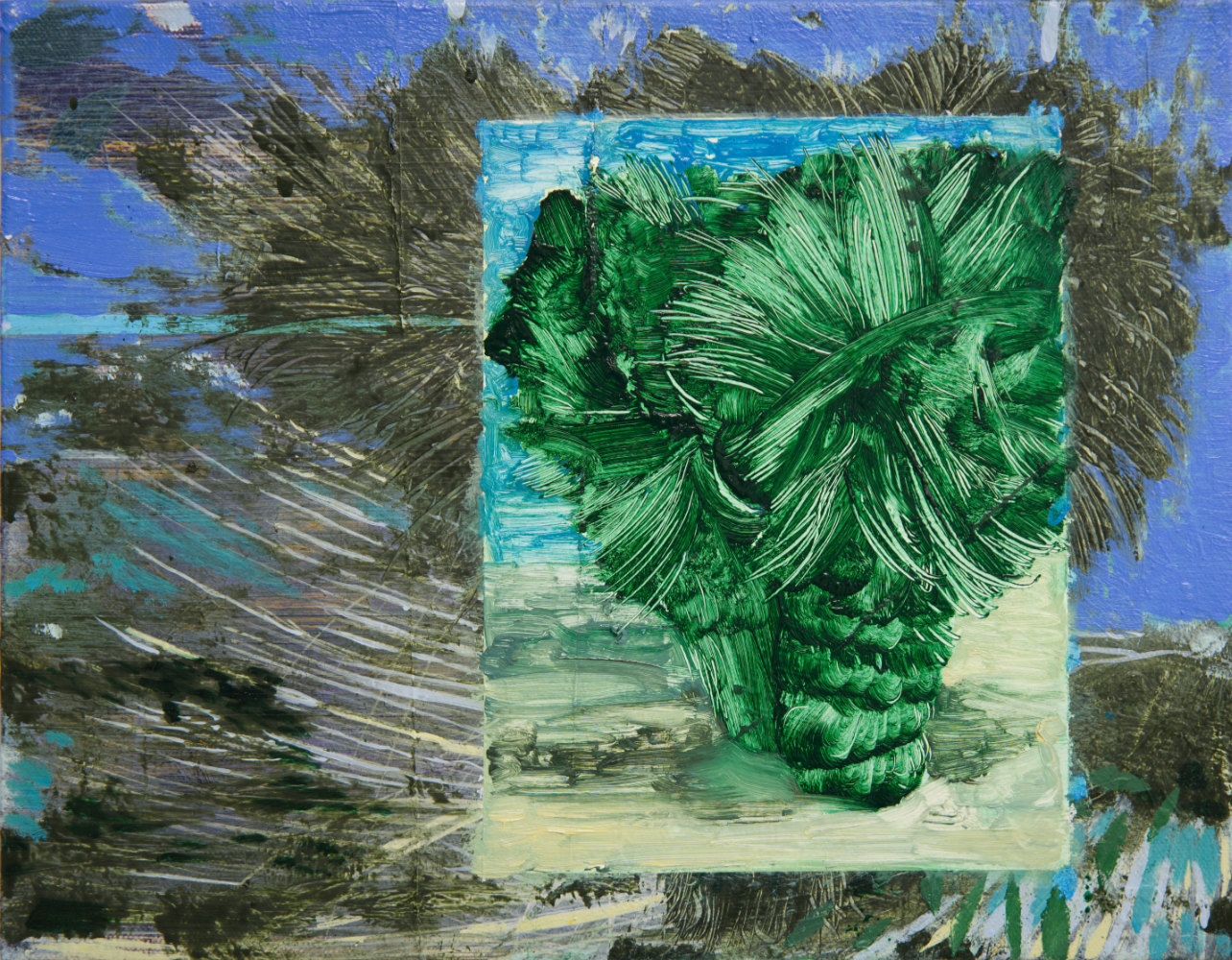
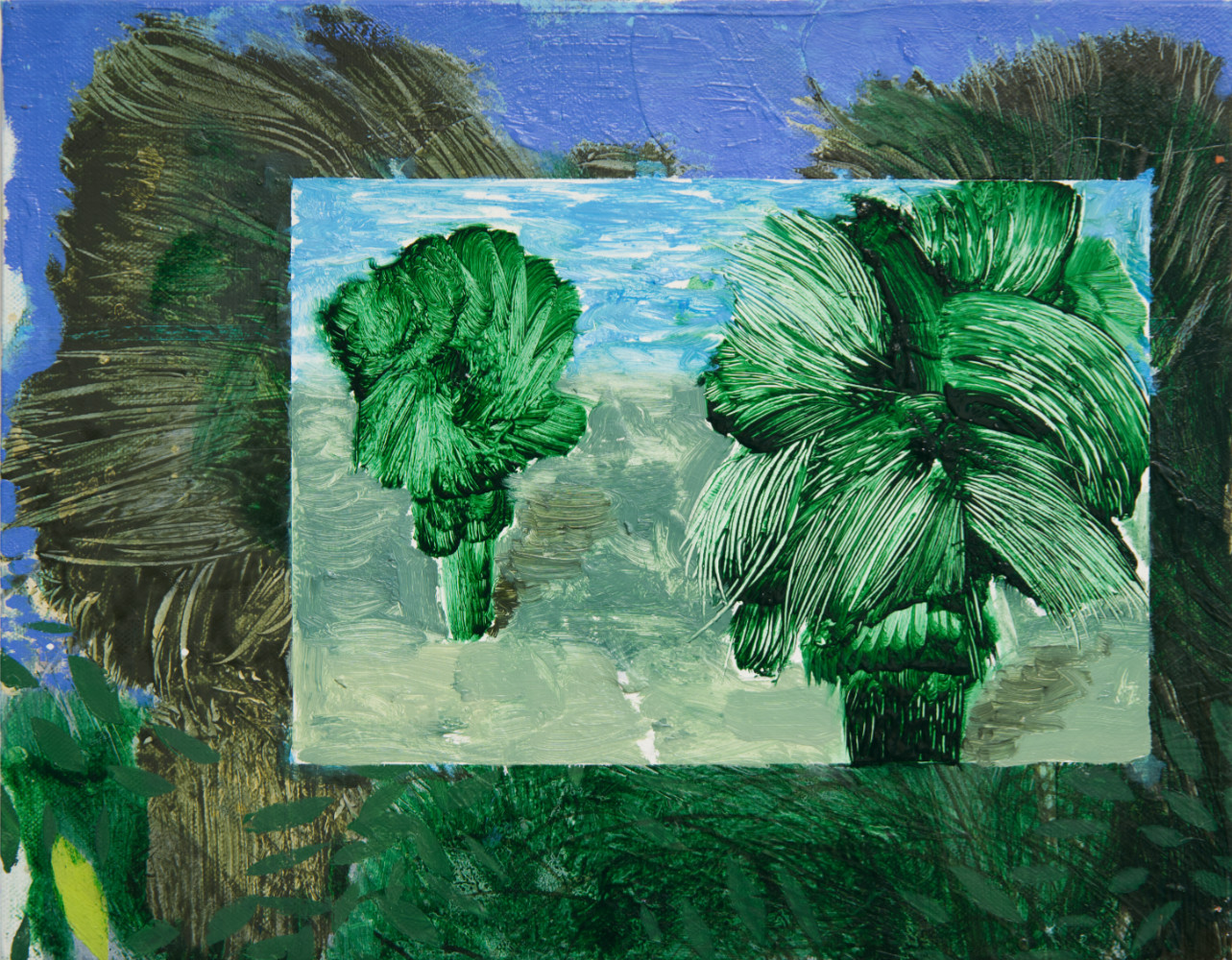
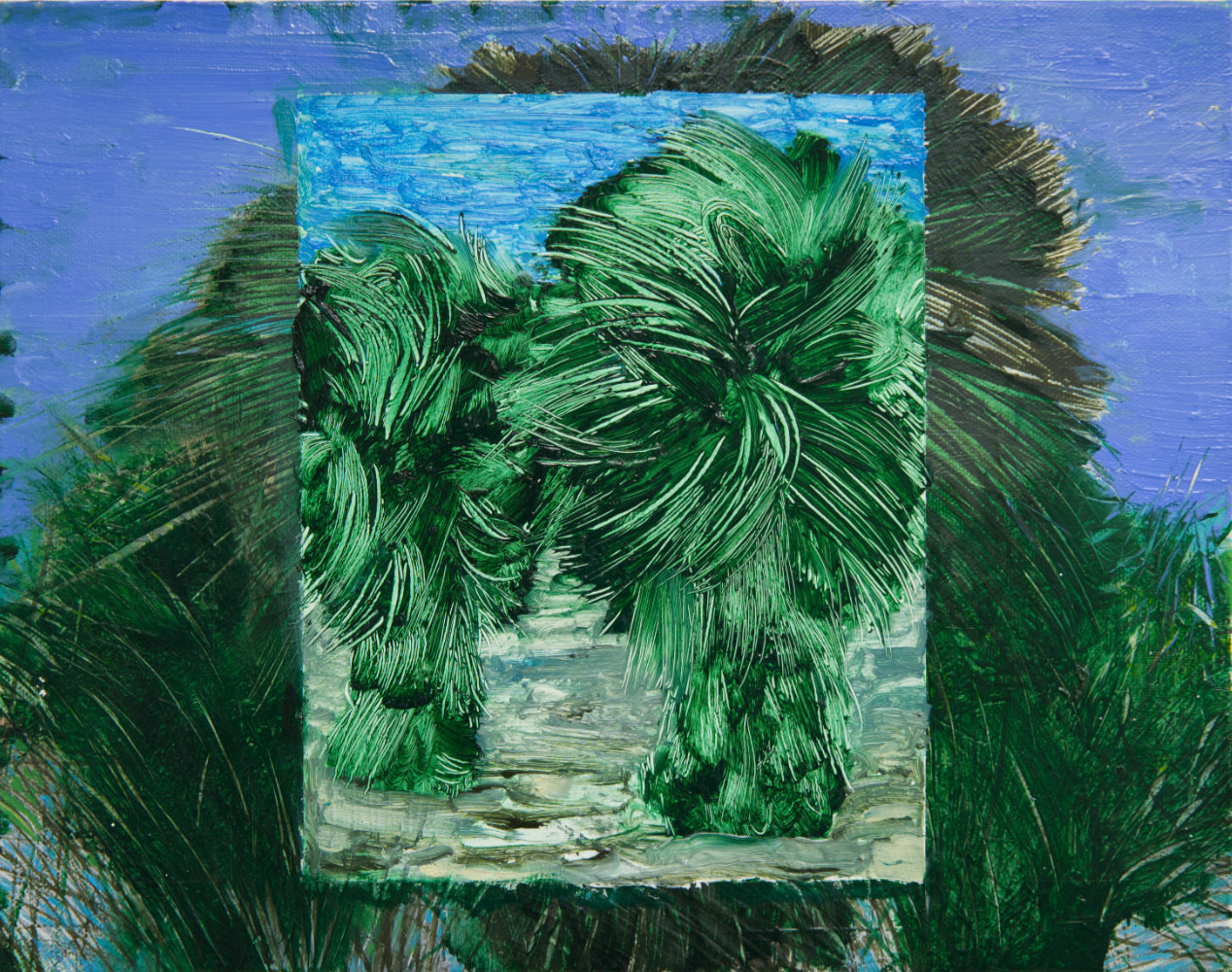
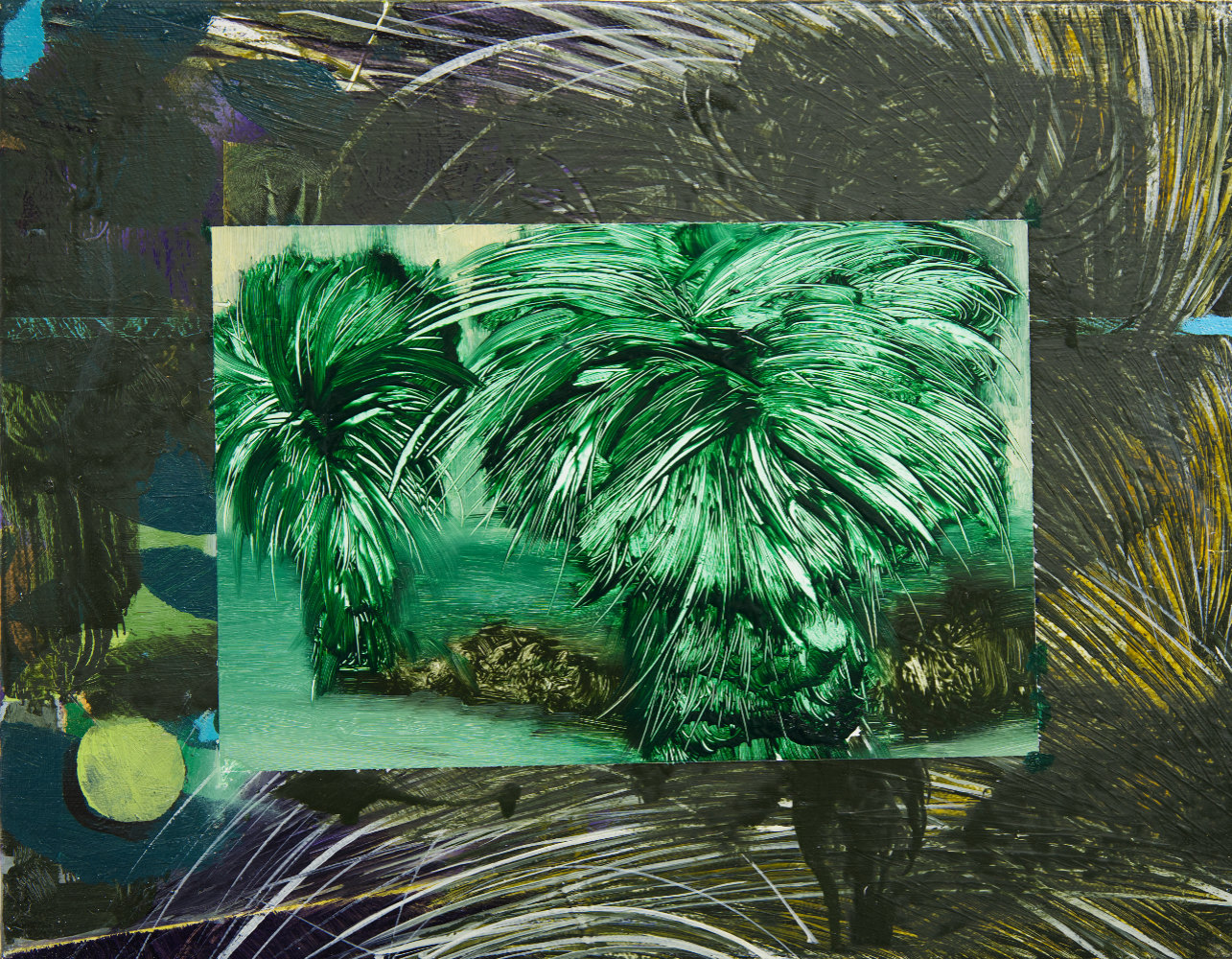
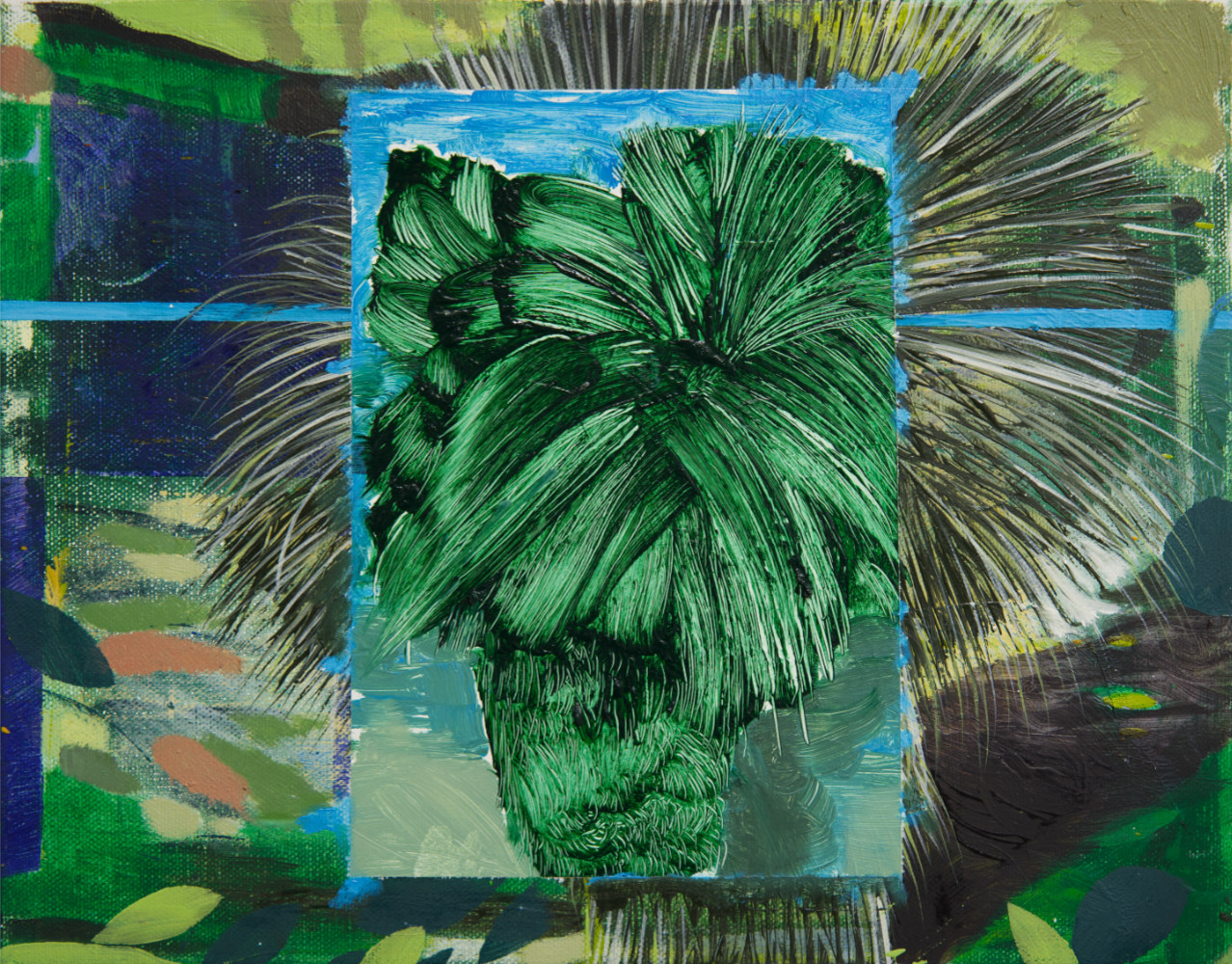
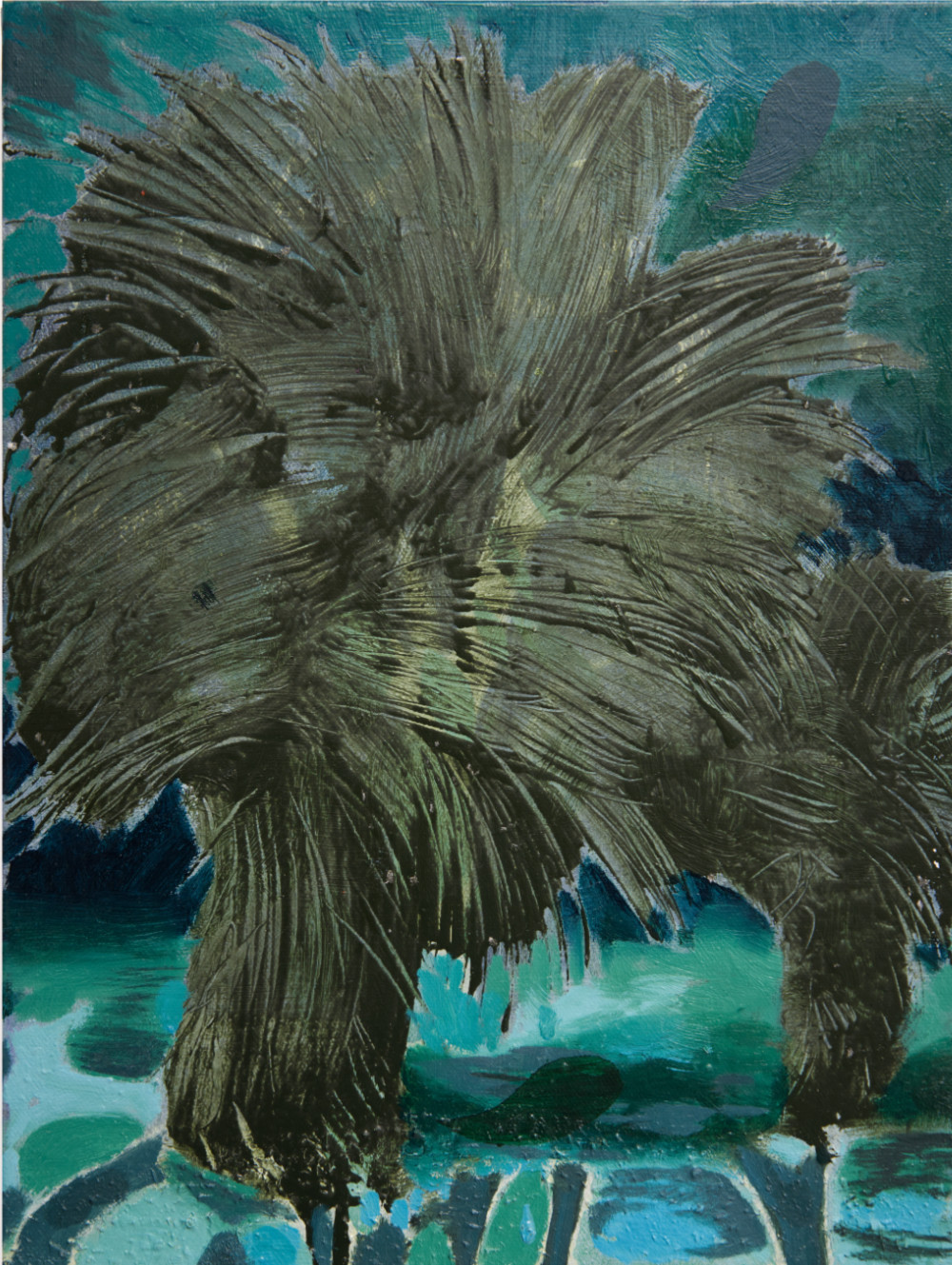
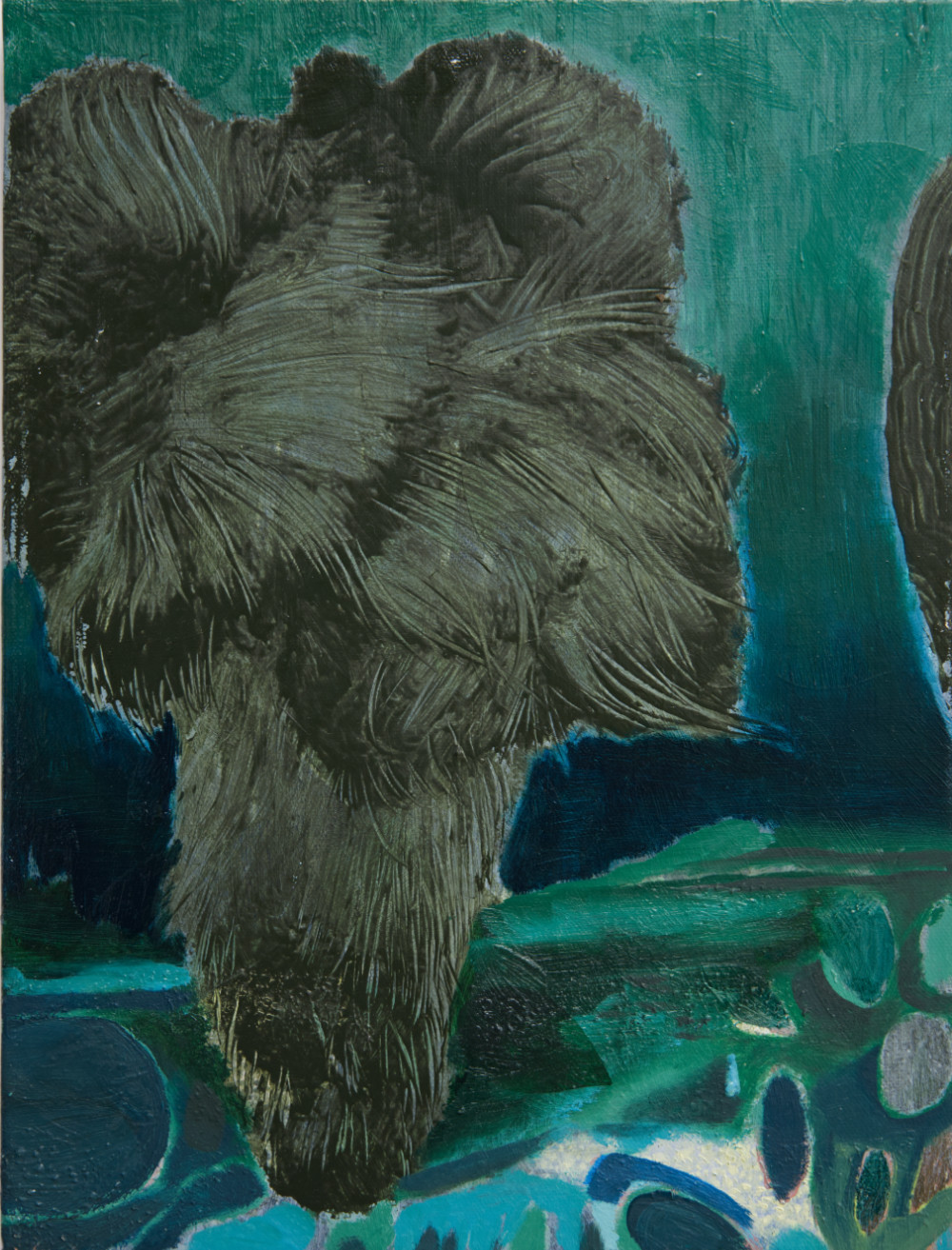
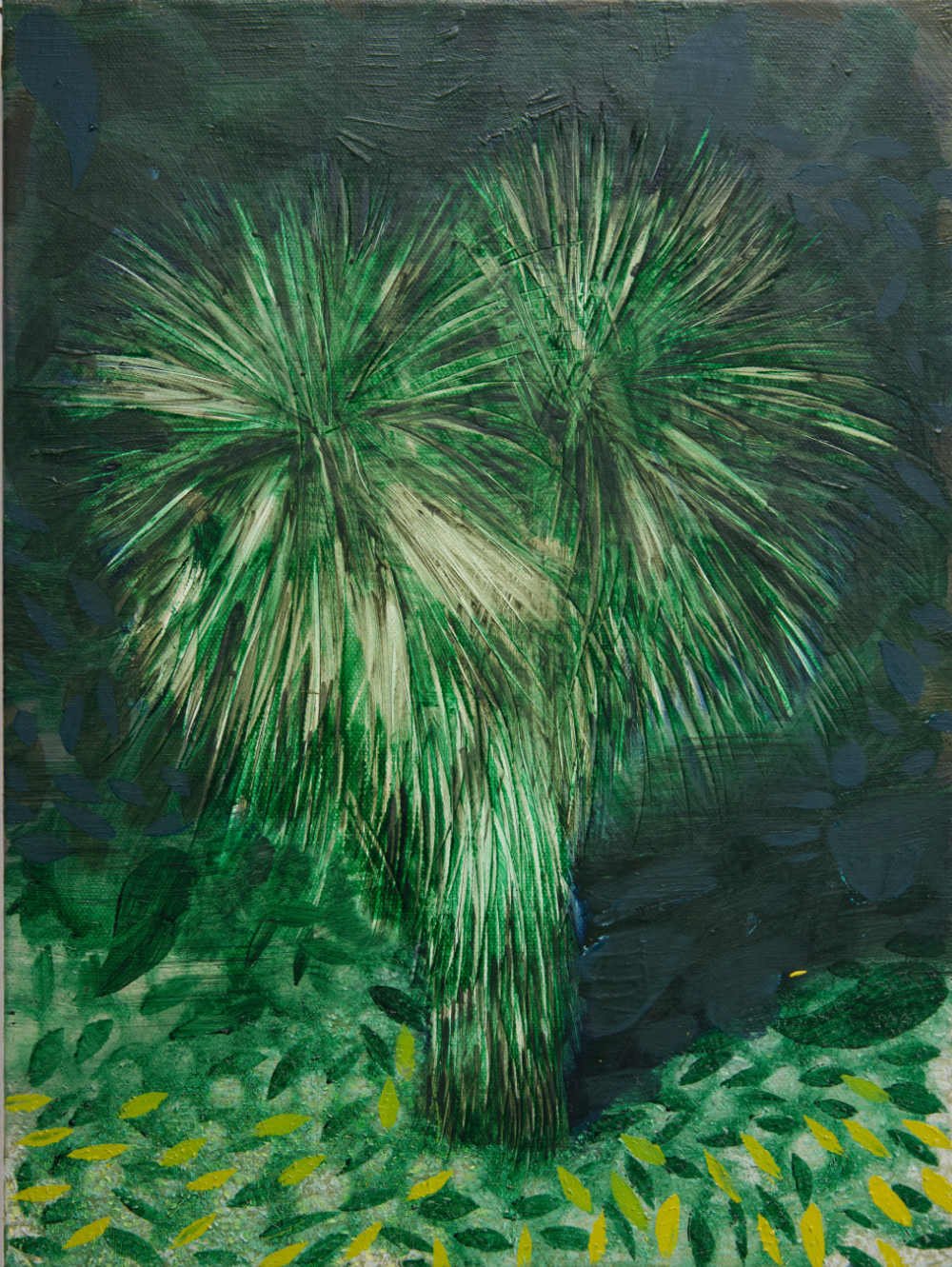
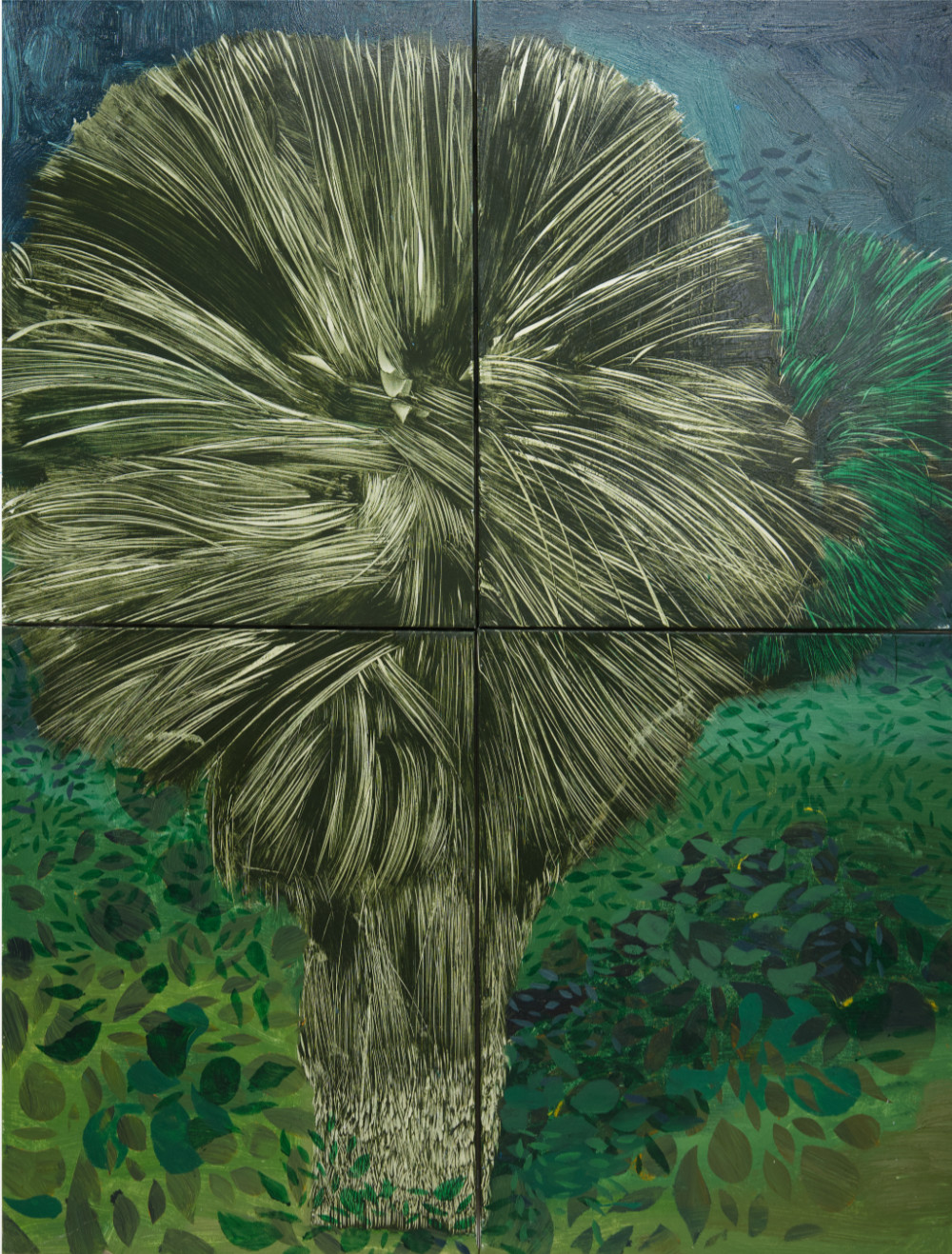
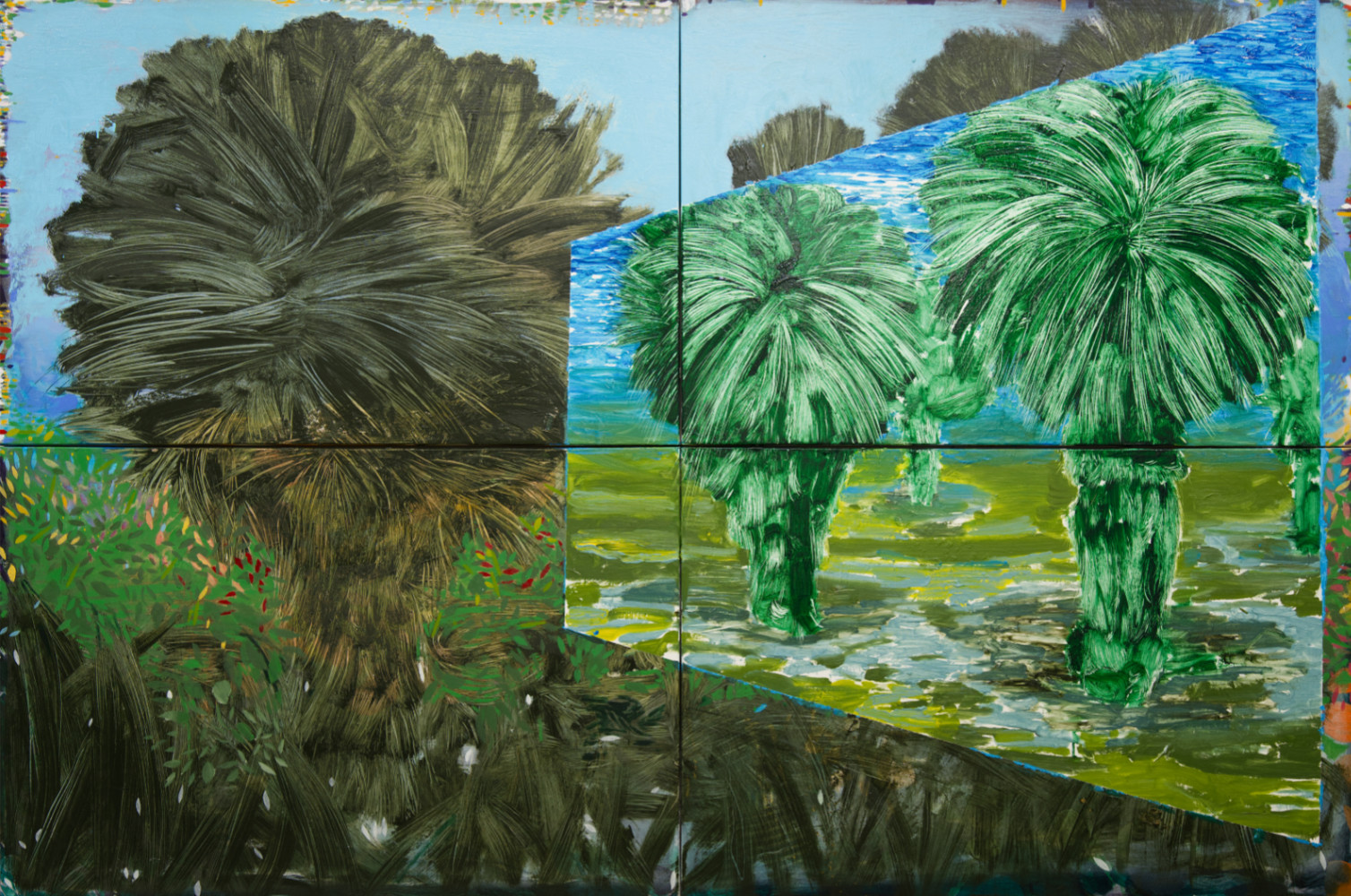
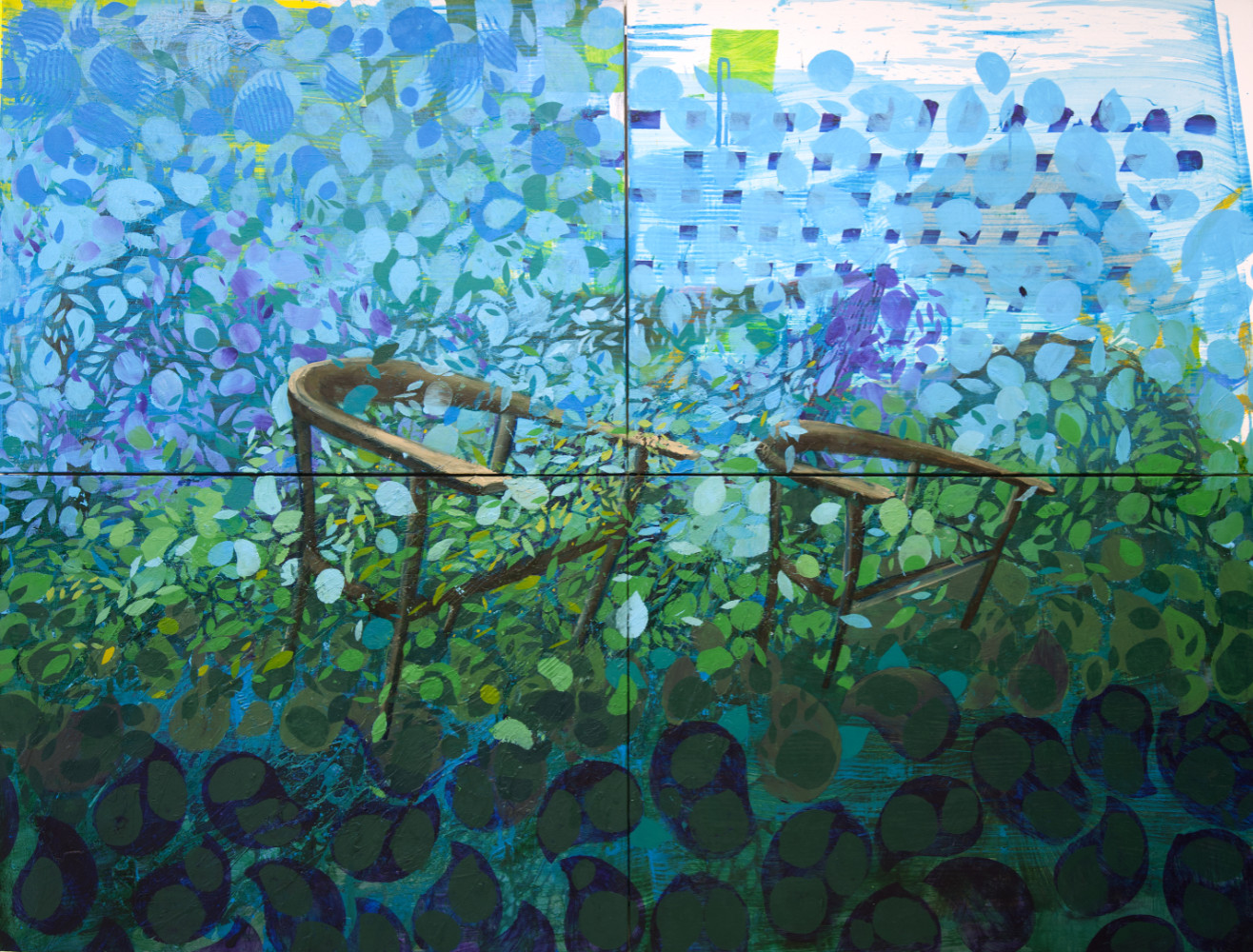
Mirage is my current series of paintings. The word names what this island does every clear day. A mirage is an image made by light and heat, a shape that stands where no shape is. On the causeway at noon, the far shore doubles. On the beach, a walker at distance loses the ground under the feet and seems to float. I paint that condition. As an abstract figurative artist, I build figures that hold and dissolve at the same time. The person is present. The edges are not promised.
The series began inland, in West Texas, where I watched yucca plants under streetlamps read as standing figures in the dark. The island gives the same lesson by day and at full scale. Heat does the work the lamplight did. Abstract figurative art, as I practice it, starts from these moments of mistaken sight. The eye reports a figure. The mind corrects it. The painting keeps the first report, because the first report is the honest one.
That is why Padre Island art, on this page, means painting about light before it means painting about place. The island is a strip of sand between two bright waters. Nothing here holds still for the eye. For collectors looking for original paintings on South Padre Island trips, or for a work that carries the coast into a house far from it, the Mirage series page shows the paintings in full. The online store lists the current originals. A small canvas holds the glare of a doorway or a hall. A large one holds a whole wall of weather.
Visiting the Island and Finding the Paintings
A good island day is simple. Cross the causeway in the morning, when the Laguna Madre is calm and the bridge gives its long view. Walk the beach on the Gulf side. Give an hour to Sea Turtle Inc. and an hour to the boardwalk at the birding center. The map on this page marks Sea Turtle Inc. on Padre Boulevard. Current hours for both centers sit on their own sites, linked in the sections above.
The record continues on the mainland. The Brownsville page tells the 2019 exhibition story, and the Texas page places my work across the state. The Dallas page holds my home ground. My CV page lists the full exhibition record, and the Market page gathers every town in this set. The island stands at the edge of that map, where the road ends and the light takes over. That is a fair place for a painter to leave a page.
Frequently Asked Questions
Has Bartosz Beda exhibited on Padre Island, Texas?
I have no exhibition on Padre Island itself. No gallery or museum stands on the island, and none has shown my work there. My Rio Grande Valley record is real, and it is close. It belongs to Brownsville, on the mainland west of the island. In 2019 I showed a solo exhibition, Paramount of Eternity, at the Brownsville Museum of Fine Art. The exhibition held more than thirty paintings. Works from that period entered the museum permanent collection. Trips for that exhibition crossed the same valley floor that ends at the causeway. The island was the view at the end of the road, the bright line east of the city.
Which part of Padre Island does this page cover?
Padre Island is a barrier island that runs about 130 miles along the South Texas coast. At its southern end, across the Laguna Madre from Port Isabel, stands the town of South Padre Island. That south end is the subject of this page. It is the island the Rio Grande Valley looks at. Far up the northern reach, the coast is protected as the Padre Island National Seashore, outside Corpus Christi. That is a different ground from this one. The Mansfield Cut, a channel dredged through the island in the 1950s, split South Padre Island from the long island that runs north.
What is the Queen Isabella Causeway?
Every road trip to the island ends the same way. Texas Park Road 100 crosses the Laguna Madre on the Queen Isabella Causeway. The bridge opened in 1974. It runs about 2.37 miles, and it is the only road that connects South Padre Island to the mainland. Before it, an earlier causeway served the island from the 1950s. Before any bridge, boats and ferries did the work. The crossing sets the terms of island life. One road in. One road out.
When did the town of South Padre Island incorporate?
The city incorporated in 1973, just before the new bridge opened. Its settled ground runs about six miles, from Isla Blanca Park at the south tip up the bay and the beach. The Gulf of Mexico takes the east shore. The Laguna Madre, a shallow lagoon saltier than the sea, takes the west. The town between them is narrow. In places you can hold both waters in one turn of the head. The town lives on visitors. Spring brings students. Summer brings families. Winter brings the Winter Texans, who trade northern cold for island light for months at a time.
Who was the Turtle Lady of South Padre Island?
Sea Turtle Inc. is a rescue and rehabilitation center on Padre Boulevard. Ila Fox Loetscher founded it in 1977. Loetscher was a former pilot, one of the first women in the United States to hold a pilot license, and islanders knew her as the Turtle Lady of South Padre Island. She began by caring for injured turtles at her home. Her cause was the Kemp’s ridley, the most endangered sea turtle in the world, which nests on this coast. In 1999 the center moved to its present ground at 6617 Padre Boulevard. It still rescues, treats, and releases turtles, and it teaches visitors why the work matters.
What is the South Padre Island Birding and Nature Center?
The South Padre Island Birding and Nature Center opened in 2009, and it is one of the nine sites of the World Birding Center. About 50 acres of wetland sit behind its building. More than 3,300 feet of boardwalk cross the marsh. Five bird blinds give watchers a still place to sit. A five story tower lifts the view over the whole bay side of the island. The island stands on the Central Flyway, the great migration road of the continent’s middle. In spring and fall the boardwalks fill with birds moving between two continents, and with the people who come to watch them.
How did Padre Island get its name?
The island takes its name from a priest. Padre Jose Nicolas Balli was a missionary and landowner in the Rio Grande Valley. The island had been granted to his grandfather, Nicolas Balli, by King Charles III of Spain in 1759. In 1804 Padre Balli founded Rancho Santa Cruz de Buena Vista, about 24 miles from the island’s south end. It was the island’s first settlement, with a ranch and a small mission for the settlers and the Karankawa people. He asked for clear title to the island in 1827. He died in April 1829. The title came in December 1829, months after his death, issued in his name and the name of his nephew, Juan Jose Balli. The island kept the priest’s name: la isla del Padre, the father’s island.
What happened off Padre Island in April 1554?
In April 1554, a Spanish plate fleet sailed from Veracruz toward Havana. A storm drove three of its ships, the San Esteban, the Espiritu Santo, and the Santa Maria de Yciar, onto the sandbars off this island. Nearly 250 people were lost in the wreck and in the march south that followed. Spain sent salvage crews the same year and raised part of the silver. The rest stayed in the sand for four centuries, until divers found the wrecks again in the 1960s. The Texas Historical Commission tells the wreck story with the artifacts to prove it.
Who was Captain John V. Singer on Padre Island?
Ranching ruled the island for a century after Padre Balli. Cattle and horses grazed the grass behind the dunes. In 1847 Captain John V. Singer and his family were shipwrecked on the island. They built a home on the old Balli ranch ground and ranched there until the Civil War. Other ranch families followed. The island stayed remote. Supplies came by boat. Storms cut it and reshaped it, and the passes between the island and the bay opened and closed with the weather.
Why does Padre Island suit the Mirage paintings?
A mirage is an image made by light and heat, a shape that stands where no shape is. On the causeway at noon, the far shore doubles. On the beach, a walker at distance loses the ground under the feet and seems to float. I paint that condition. As an abstract figurative artist, I build figures that hold and dissolve at the same time. The person is present. The edges are not promised. Abstract figurative art, as I practice it, starts from these moments of mistaken sight. The eye reports a figure. The mind corrects it. The painting keeps the first report, because the first report is the honest one. The island is a strip of sand between two bright waters. Nothing here holds still for the eye.