North Beverly Hills, Fort Worth, Texas: Paintings for a North Side Neighborhood

North Beverly Hills is a residential neighborhood in Fort Worth, Texas. It sits on the North Side of the city, north of downtown, in ZIP code 76106. It is not a separate town. It has no city hall, no museum, and no gallery of its own. It is a quarter of houses, and this page treats it at exactly that scale. I am Bartosz Beda, a painter based in Dallas. This page is an honest account of my connection to this neighborhood, a short guide to the ground around it, and a presentation of my Mirage paintings to the people who live in its houses.
The name needs one clear sentence at the start. Readers who search for North Beverly Hills in Dallas will not find it in Dallas. The sources that list this name place it in Fort Worth, and they list it as a neighborhood, not as a city. My site keeps a page for it because the page existed in my location set, and an honest page is better than a silent one. What follows is what the record supports, and nothing more.

North Beverly Hills in my record

I have no exhibition in North Beverly Hills, and no record of showing work there. No painting of mine has hung in this neighborhood, because the neighborhood has no venue where a painting could hang. I say that plainly, as I do on every page of this set where the record is thin. My exhibition record is in Dallas, and it is carried in detail on the Dallas page, linked below. My teaching base is in Richardson, north of Dallas, where my Art Be You academy holds its painting classes. Those are the two anchors of my working life, and both sit on the other side of the metroplex from this neighborhood.
What I do have on this side of the metroplex is teaching and looking. I lead painting workshops for senior communities across Dallas and Fort Worth, and that work brings me to Fort Worth rooms on a regular run. I also cross to Fort Worth to look at paintings, because the museum district there sets a standard for the whole region. Paintings from my studio reach Fort Worth houses through the online store, and Fort Worth students drive east to Richardson for classes. That is the whole of my connection to North Beverly Hills: a working painter in the same metroplex, presenting his current series to a neighborhood he has not shown in. The page does not claim more.

The neighborhood as sources describe it

The clearest public description of North Beverly Hills comes from neighborhood data sources, and it is modest. NeighborhoodScout calls it a suburban neighborhood, based on population density, located in Fort Worth. Its housing is mainly single family homes and townhomes. The sizes run from small homes of up to two bedrooms to medium homes of three or four bedrooms. Most of the housing is older and well established. Many homes were built between 1940 and 1969. A further number were built between 1970 and 1999. Owners and renters live here side by side, and studies of the last decade show the renter share growing, from about one third of homes in 2013 to about half in 2022.
The Statistical Atlas counts North Beverly Hills among the 224 neighborhoods it lists for Fort Worth, and it adds a useful caution: neighborhoods are not recognized by the United States Census Bureau, so figures for a place like this are estimates built from the census tracts that overlap it. The human picture those estimates give is strong and specific. About 75 percent of residents identify their ancestry as Mexican. Spanish is the main language in most homes, spoken in about 69 percent of households. More than a third of residents were born in another country. North Beverly Hills is, in plain terms, an immigrant neighborhood, built by families who crossed a border to make a life in North Texas.
That fact is why this page exists in this form. I am an immigrant painter. I was born in Poland, trained in Poland and in England, and built my working life in Texas. A neighborhood where more than a third of the residents were born abroad does not need migration explained to it. The subject sits inside the houses already. My painting has returned to that subject for years: people between places, figures that hold two homes at once, faces that carry a past country and a present one. This page brings that painting to a quarter where the theme is not a theme. It is the daily fact of the street.

The North Side around it

North Beverly Hills belongs to the North Side of Fort Worth, the ground north of downtown across the West Fork of the Trinity River. The famous anchor of that ground is the Fort Worth Stockyards, centered on East Exchange Avenue, about three miles north of downtown. The Stockyards district covers about 98 acres and holds 46 contributing historic buildings. It was added to the National Register of Historic Places on June 29, 1976. The yards themselves opened for business on January 19, 1890, built to formalize the cattle trade that the trail drives had already proved. A twice daily cattle drive still runs through the district, a working reminder of what the North Side was built to do.
The buildings tell the second half of that story. In 1902, the packing firms Armour and Swift both began building plants on land beside the yards, and the cattle market became an industrial meatpacking center. The Livestock Exchange Building, built in 1902 to 1903, was nicknamed the Wall Street of the West for the buyers, sellers, and bankers who worked in its halls. It now houses the Stockyards Museum, opened in 1989 and operated by the North Fort Worth Historical Society. Construction of the coliseum that became the Cowtown Coliseum began in 1907. A resident of North Beverly Hills lives a short drive from all of this. The neighborhood itself is quiet houses. Its wider quarter carries one of the best known historic districts in Texas.

A short history of the ground north of the river

The specific name North Beverly Hills has no published history that I could find, and this page does not invent one. What can be told, from verified sources, is the history of North Fort Worth, the ground the neighborhood stands on. That history starts early. In 1848, the York and Gilmore families stopped their covered wagons north of the Trinity River, near present day Fort Worth, and the settlement they founded became North Fort Worth. A year later, in 1849, the army post that became the city of Fort Worth was planted on the bluff above the river. After the Civil War, life north of the river revolved around the cattle drives passing through on their way north, and Fort Worth became the last major supply stop before the herds crossed into Indian Territory.
The stockyards turned that passing trade into an industry, and the industry built the neighborhoods. When Armour and Swift arrived in 1902, immigrants came from Central Europe and from Mexico to work in the plants. Many settled north of the river, in a community that stockyard officials incorporated in 1902 under the name North Fort Worth. The city of Fort Worth extended its limits to include that community in 1909, while the stockyards themselves were left outside as a separate industrial district. The small town of Niles City, formed around the yards, lasted as its own entity until 1922. The houses of North Beverly Hills, most of them built between 1940 and 1969, belong to the next chapter: the postwar decades, when the working North Side filled in with family homes on residential streets. That is as far as the verified record goes, and this page stops there with it.

Mirage, and paintings for these houses
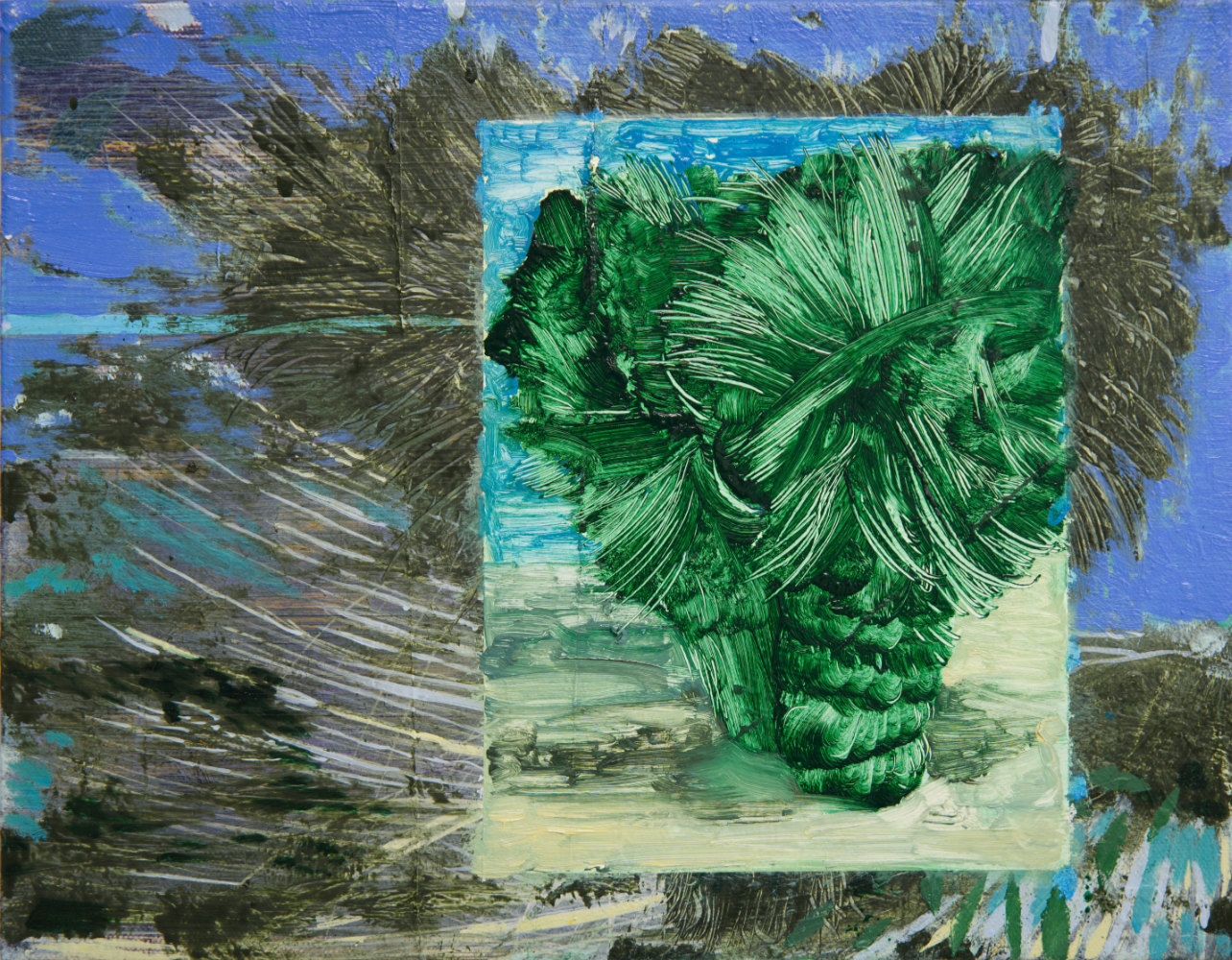
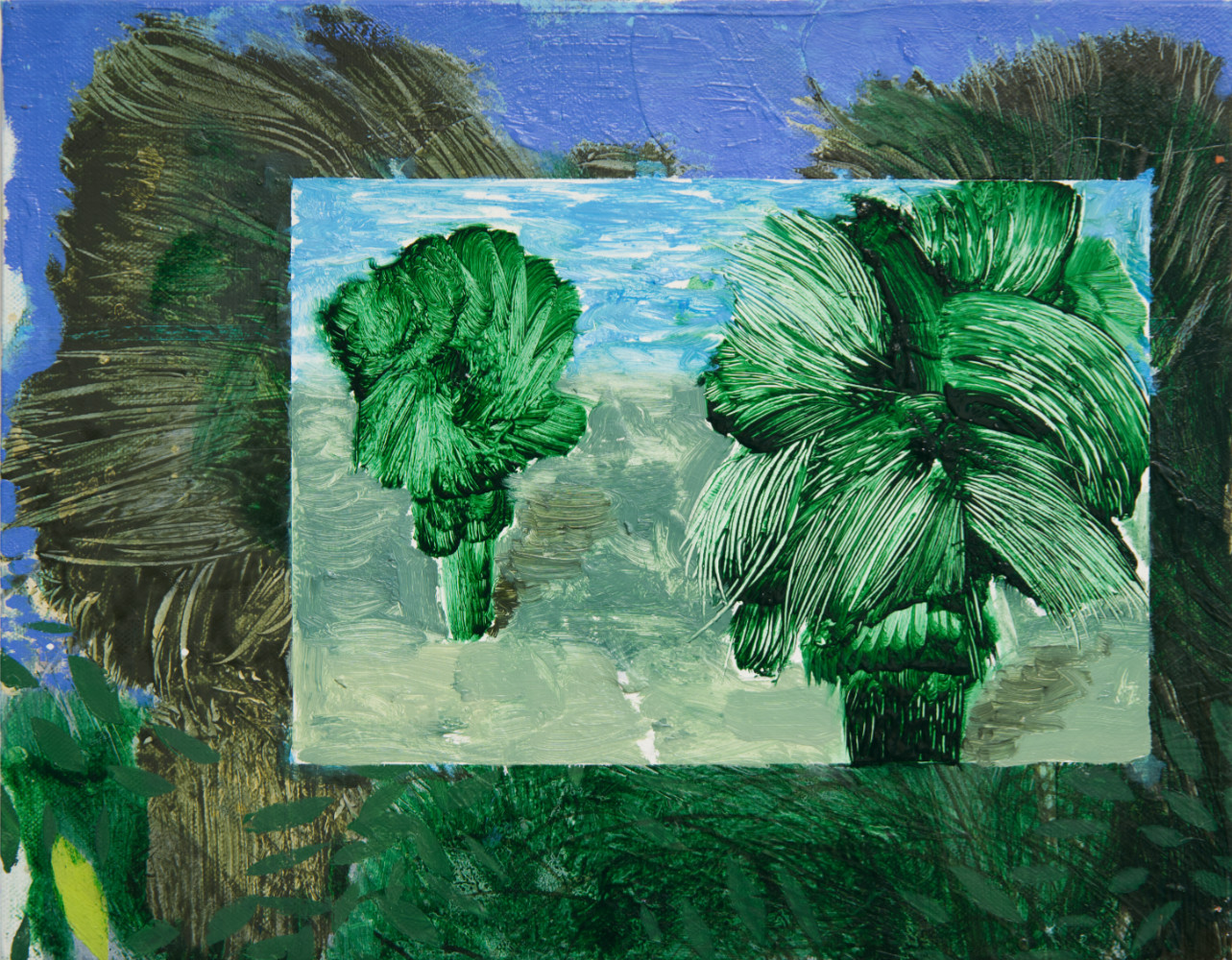
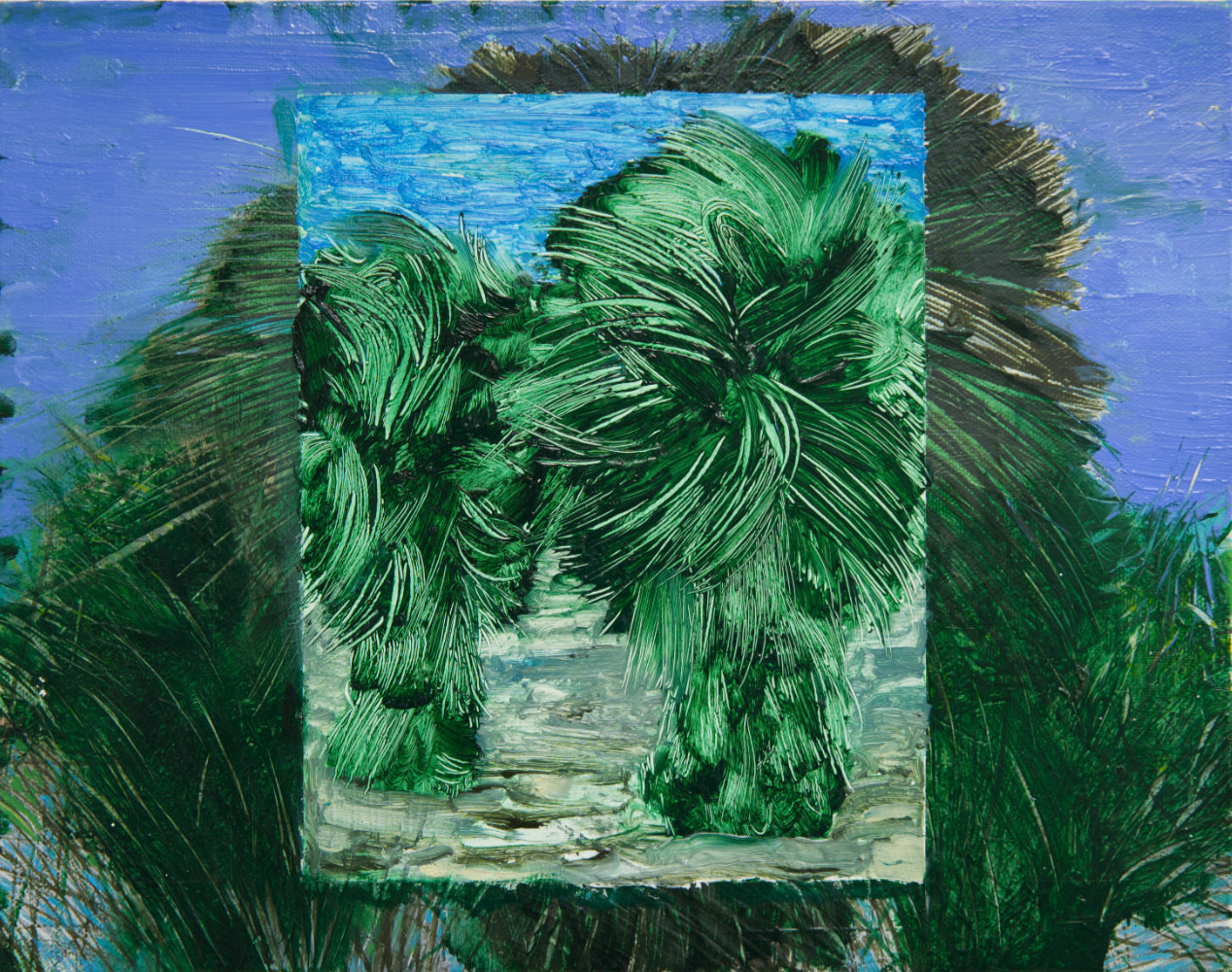
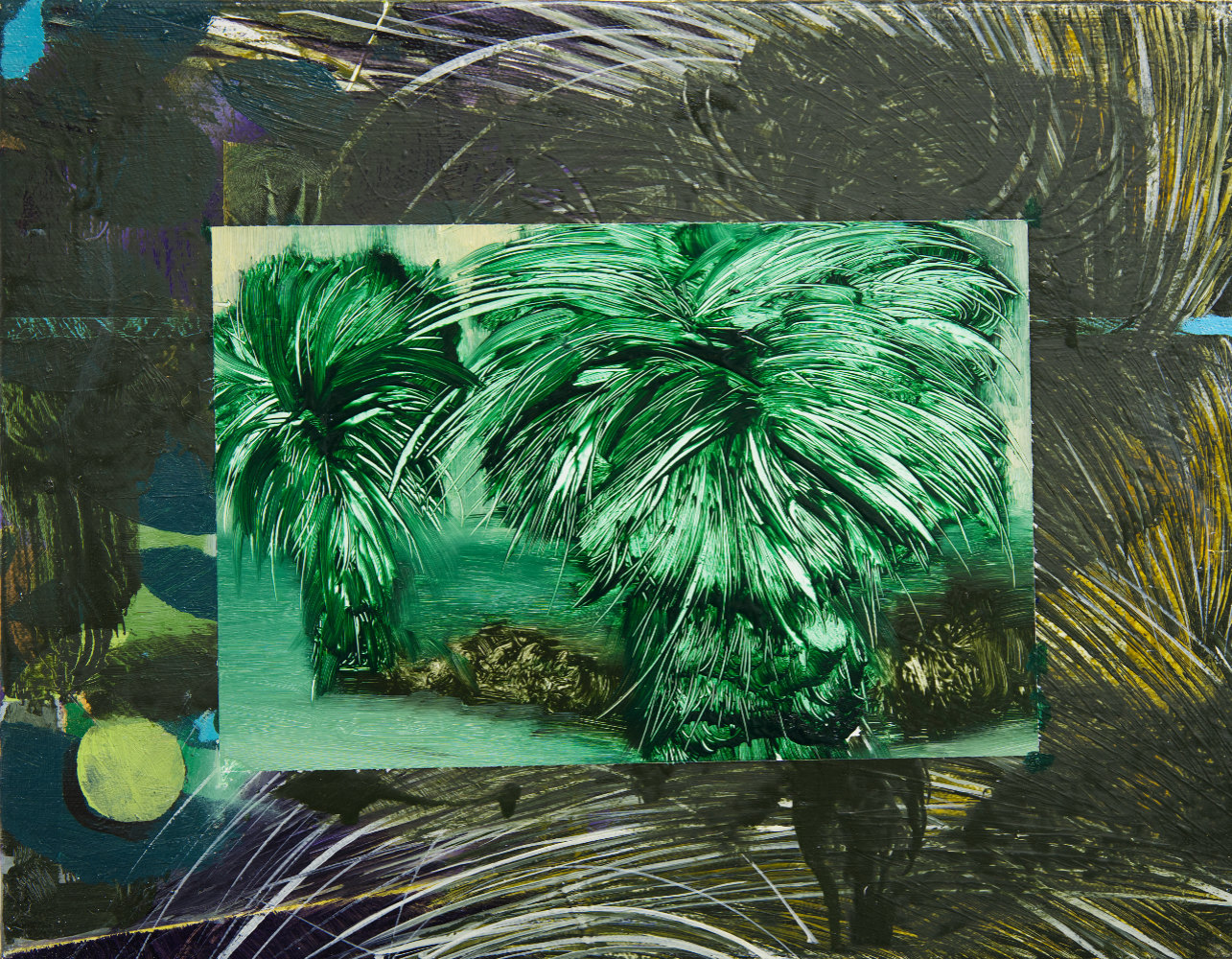
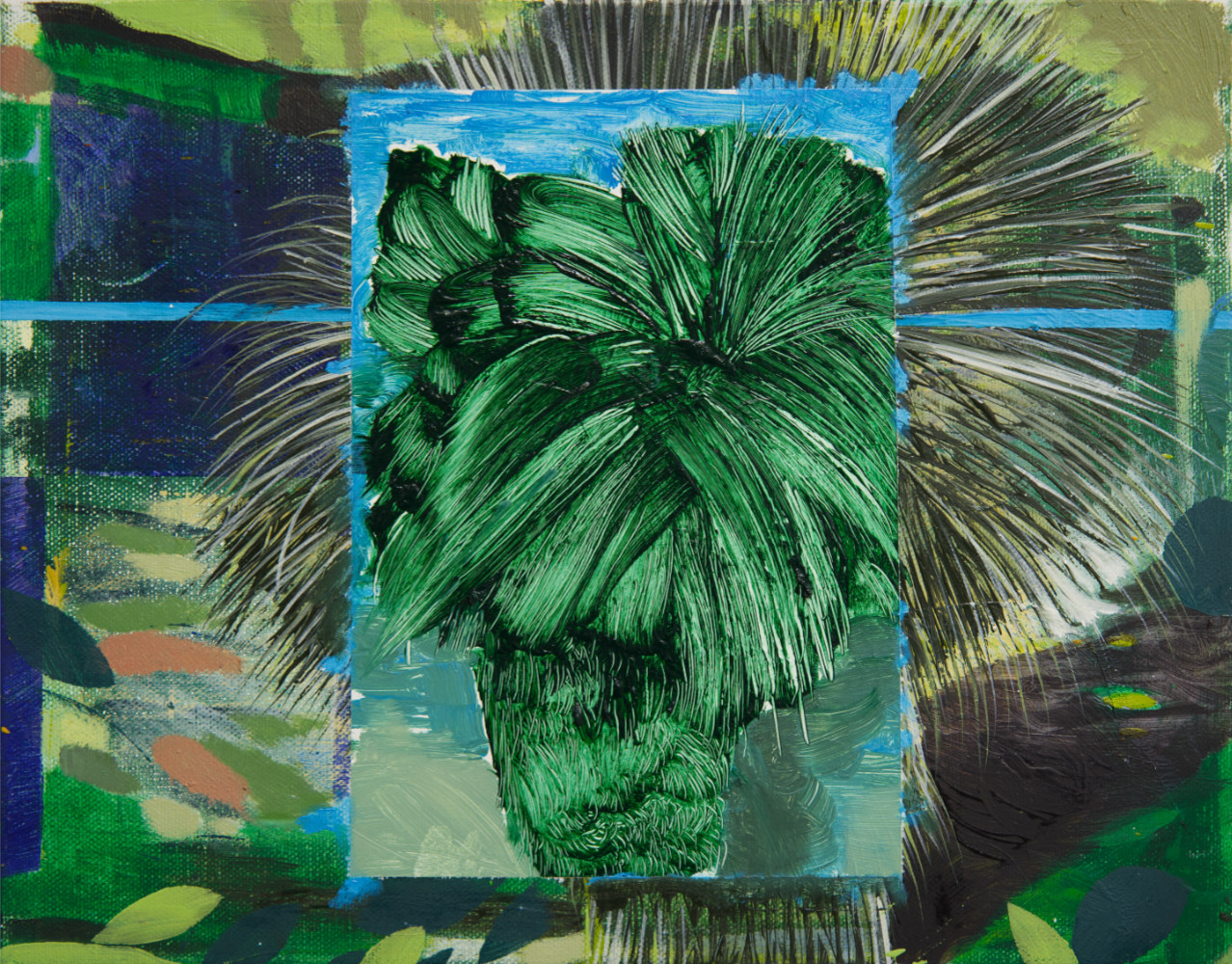
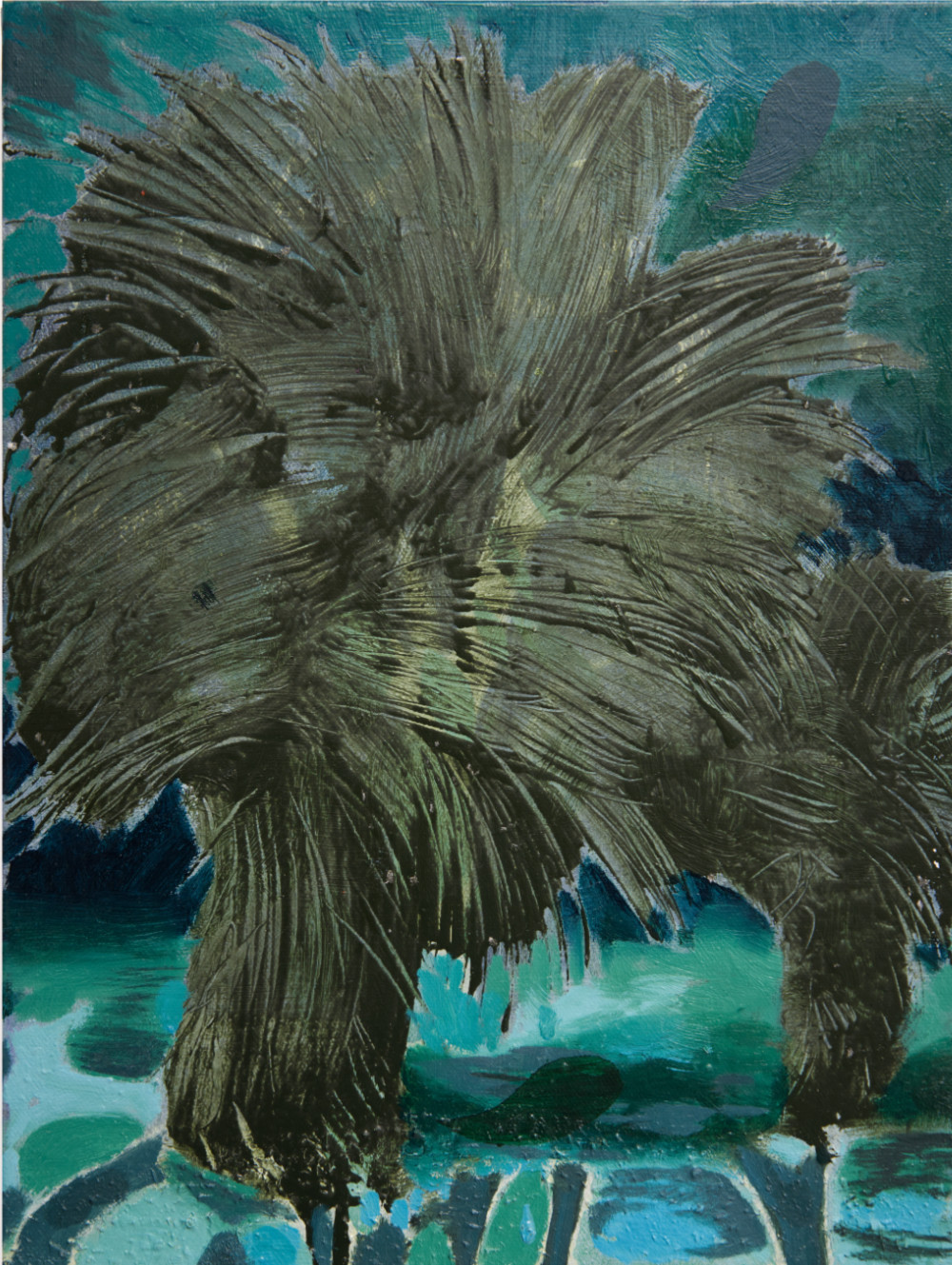
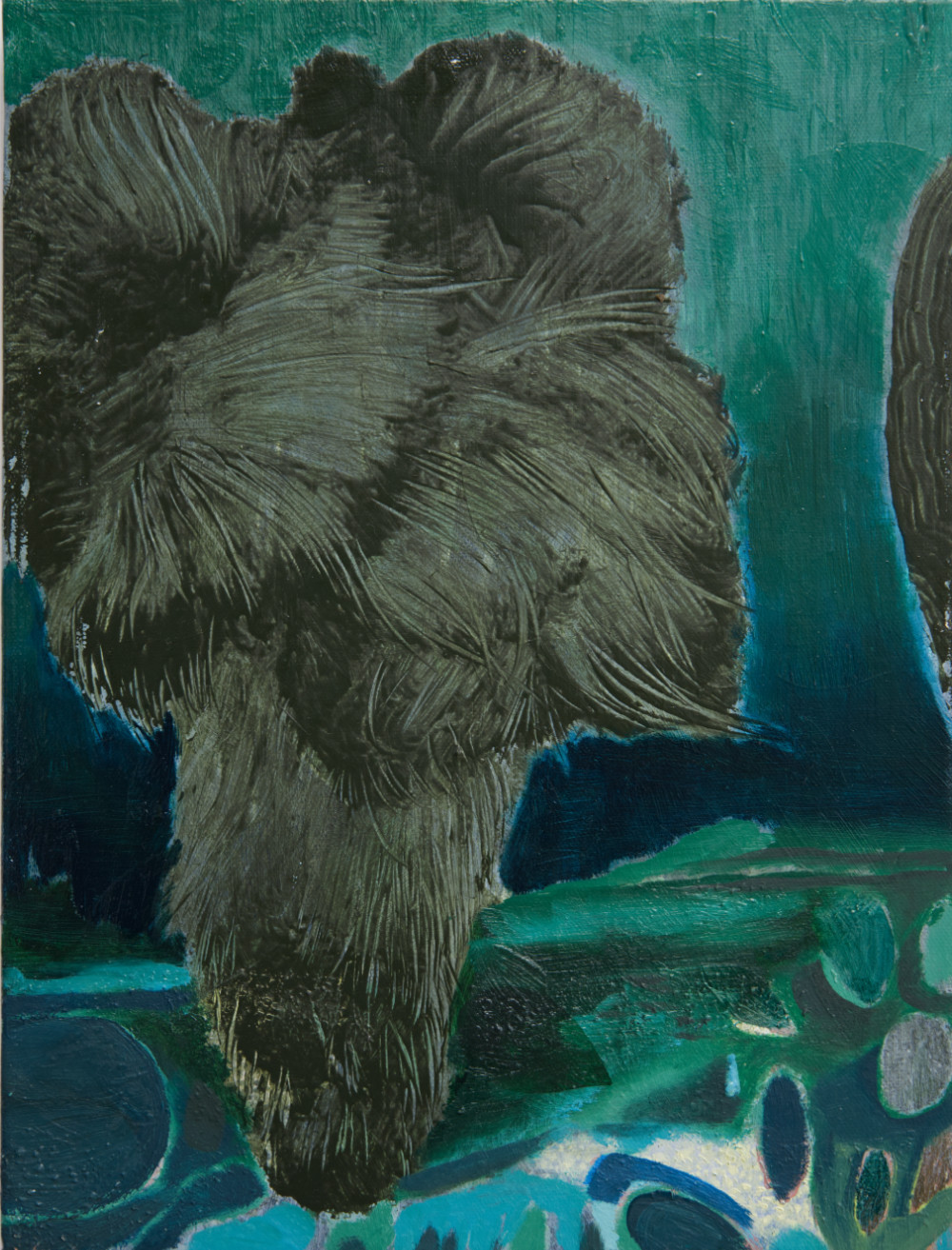
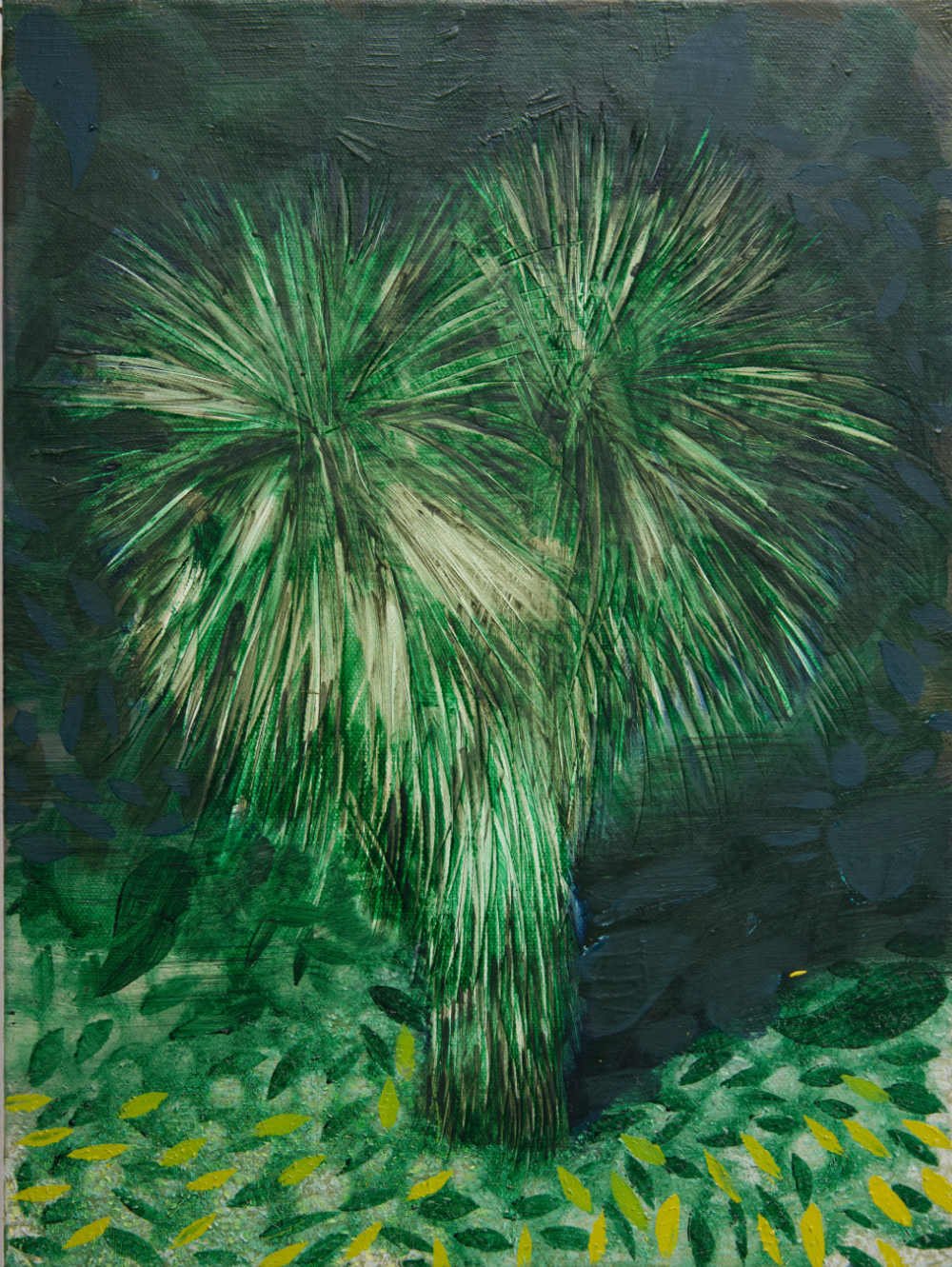
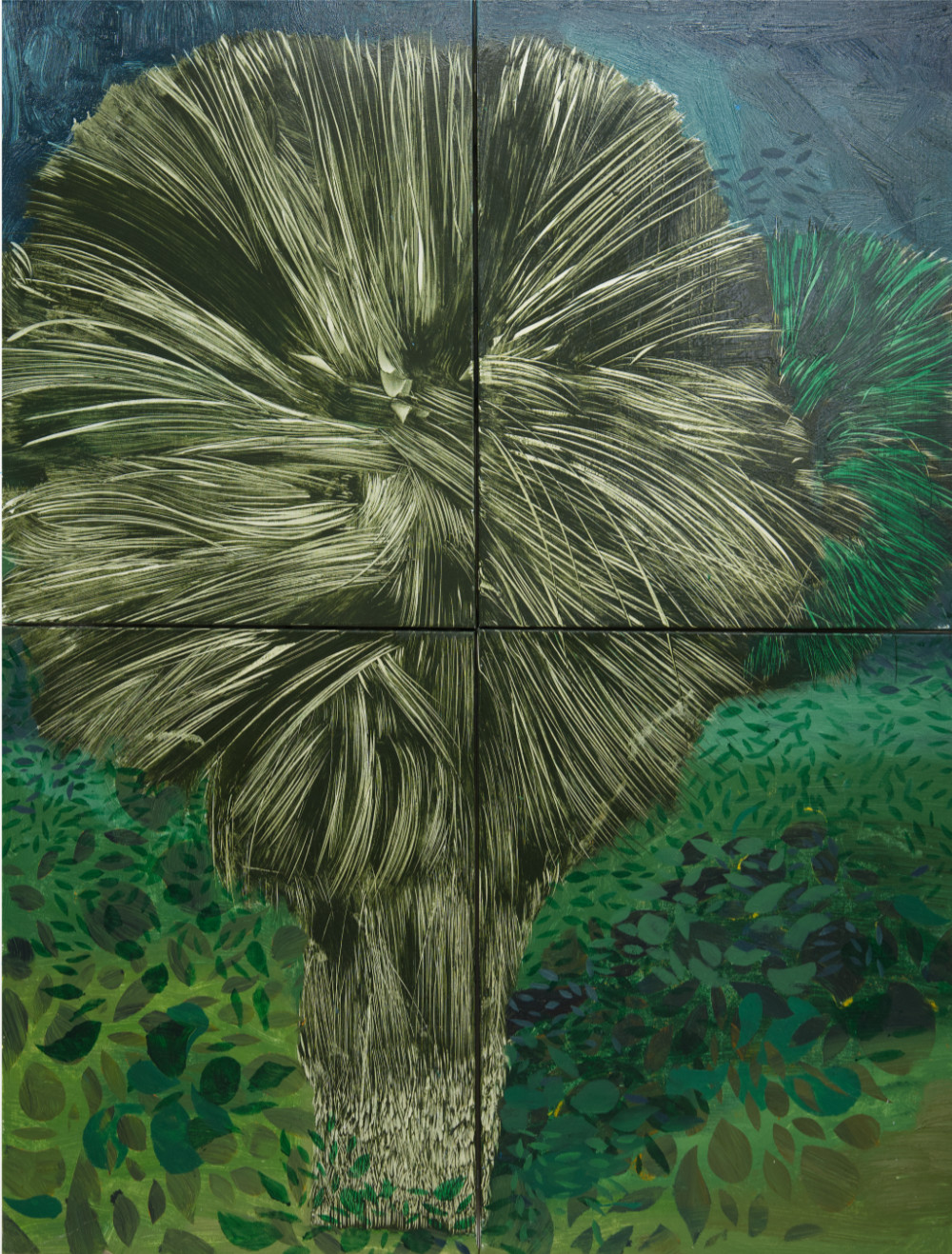
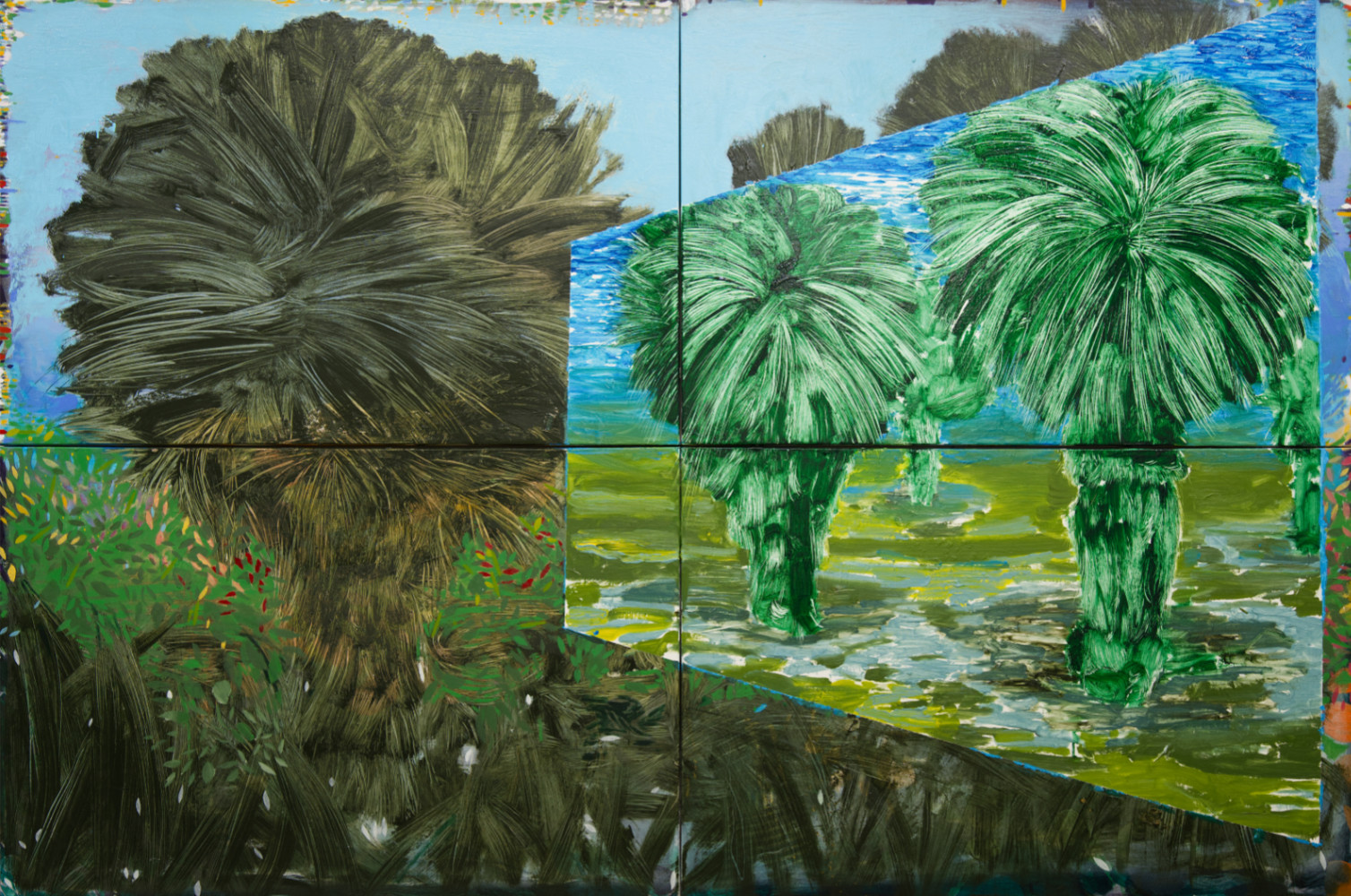
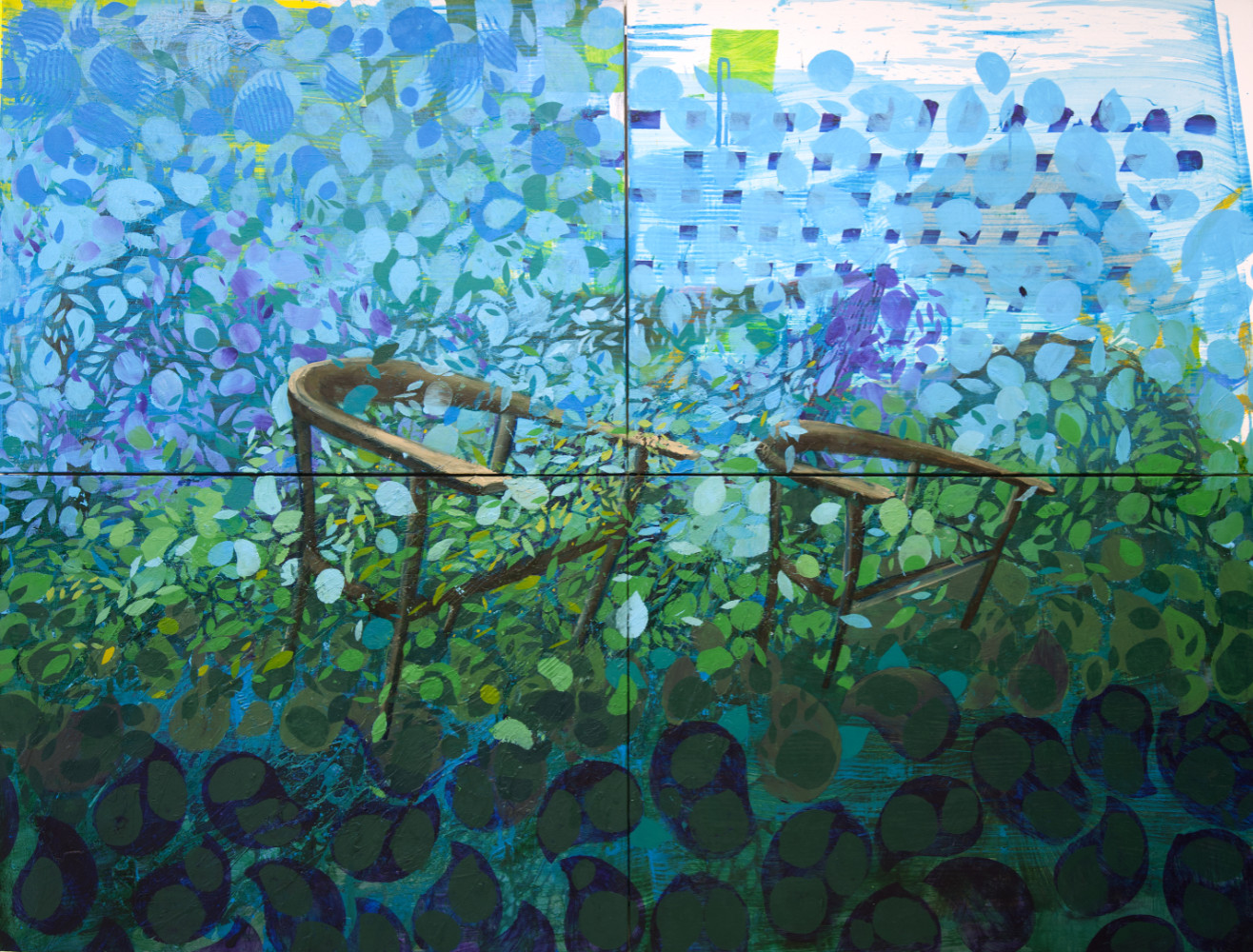
I am an abstract figurative artist, and Mirage is my current series of oil paintings. For a reader meeting my work through this page, that term needs a plain meaning. Abstract figurative art keeps the human figure at the center of the painting and lets abstraction act on it. The figure is built, layered, and partly dissolved, so the finished canvas holds a person and a field of paint at the same time. As an abstract figurative artist working in Texas, I paint people the way memory holds them: present, and already changing. That is the work this page offers to North Beverly Hills, as original paintings in Dallas and Fort Worth reach houses across the whole metroplex through one studio and one store.
Mirage began far from Fort Worth, during a residency at Angelo State University in West Texas. What caught my eye there was a plant, the beaked yucca, a stiff rosette of blades that lines the campus paths. At night, under streetlamps, the plants stood pale against the dark, washed of their daytime color, and they stopped reading as shrubs. They read as figures, standing in a light that was not made for them. I photographed them, carried the photographs to the studio, and built the paintings through handmade stencils, so each shape was cut and placed rather than copied. A mirage is a longing given shape, an image made of light and distance that shows you something not there. These paintings hold that tension on purpose. The land in them rises, holds for a moment, and thins into glare, the way a figure does in all my work.
The fit with this neighborhood is scale and subject. The series runs from small canvases of 11 by 14 inches to a large painting of 60 by 80 inches. The houses here are family houses, most of them built in the middle of the last century, with living rooms that take a painting seriously without needing a wall the size of a gallery. A small Mirage can carry a hallway or sit above a desk. A large one can hold the main room of a renovated home. The subject also fits the street. These are paintings about seeing a figure where you expected a plant, about a shape that is there and not there at once, made by a painter who himself lives between the country he was born in and the state he works in. For anyone searching North Beverly Hills Fort Worth art from inside the neighborhood itself, that is the honest offer: current original paintings, made in this metroplex, presented without a false local story. All the paintings of the series are gathered on the Mirage series page, and the current originals are listed in the online store, both linked below.

Visiting the North Side, and where the record continues

A visitor to this part of Fort Worth should start at the Stockyards, walk East Exchange Avenue, and see the Exchange Building and the coliseum before judging the North Side by its quiet residential streets. The map on this page shows the neighborhood itself, in the streets north of downtown. City services and city information sit with the City of Fort Worth, linked below. The wider story of my work in this half of the metroplex is on the Fort Worth page. My Dallas record is on the Dallas page, my state story is on the Texas page, and the formal record is on my CV page. The Far North Dallas page covers the northern edge of Dallas, where my teaching days also reach. All the town and neighborhood pages of this site hang together on the Market page. North Beverly Hills gets a smaller page in spirit than a museum city gets, because its record with me is smaller. It gets the same honesty.

Frequently Asked Questions

Is North Beverly Hills in Dallas or Fort Worth?

North Beverly Hills is a residential neighborhood in Fort Worth, Texas. It sits on the North Side of the city, north of downtown, in ZIP code 76106. It is not a Dallas neighborhood and not a separate town. It has no city hall, no museum, and no gallery of its own. It is a quarter of houses, and this page treats it at exactly that scale. Readers who search for North Beverly Hills in Dallas will not find it in Dallas.

Has Bartosz Beda exhibited in North Beverly Hills?

I have no exhibition in North Beverly Hills, and no record of showing work there. No painting of mine has hung in this neighborhood, because the neighborhood has no venue where a painting could hang. My exhibition record is in Dallas. My teaching base is in Richardson, where my Art Be You academy holds its painting classes. On this side of the metroplex I lead painting workshops for senior communities across Dallas and Fort Worth, and paintings from my studio reach Fort Worth houses through the online store.

What kind of houses stand in North Beverly Hills?

NeighborhoodScout calls North Beverly Hills a suburban neighborhood, based on population density, located in Fort Worth. Its housing is mainly single family homes and townhomes. The sizes run from small homes of up to two bedrooms to medium homes of three or four bedrooms. Most of the housing is older and well established. Many homes were built between 1940 and 1969, and a further number between 1970 and 1999. Owners and renters live here side by side, and the renter share grew from about one third of homes in 2013 to about half in 2022.

Who lives in North Beverly Hills, Fort Worth?

The Statistical Atlas counts North Beverly Hills among the 224 neighborhoods it lists for Fort Worth, with a caution: neighborhoods are not recognized by the United States Census Bureau, so its figures are estimates built from census tracts. The picture those estimates give is strong and specific. About 75 percent of residents identify their ancestry as Mexican. Spanish is the main language in most homes, spoken in about 69 percent of households. More than a third of residents were born in another country. North Beverly Hills is, in plain terms, an immigrant neighborhood.

When did the Fort Worth Stockyards open for business?

The yards opened for business on January 19, 1890, built to formalize the cattle trade that the trail drives had already proved. The Stockyards district covers about 98 acres and holds 46 contributing historic buildings. It was added to the National Register of Historic Places on June 29, 1976. A twice daily cattle drive still runs through the district, a working reminder of what the North Side was built to do. A resident of North Beverly Hills lives a short drive from all of this.

What is the Livestock Exchange Building in Fort Worth?

In 1902, the packing firms Armour and Swift both began building plants on land beside the yards, and the cattle market became an industrial meatpacking center. The Livestock Exchange Building, built in 1902 to 1903, was nicknamed the Wall Street of the West for the buyers, sellers, and bankers who worked in its halls. It now houses the Stockyards Museum, opened in 1989 and operated by the North Fort Worth Historical Society. Construction of the coliseum that became the Cowtown Coliseum began in 1907.

When was North Fort Worth its own community?

In 1848, the York and Gilmore families stopped their covered wagons north of the Trinity River, and the settlement they founded became North Fort Worth. When Armour and Swift arrived in 1902, immigrants came from Central Europe and from Mexico to work in the plants, and stockyard officials incorporated the community in 1902 under the name North Fort Worth. The city of Fort Worth extended its limits to include that community in 1909, while the stockyards themselves were left outside as a separate industrial district. The small town of Niles City, formed around the yards, lasted as its own entity until 1922.

What plant stands behind the Mirage paintings?

Mirage began during a residency at Angelo State University in West Texas. What caught my eye there was a plant, the beaked yucca, a stiff rosette of blades that lines the campus paths. At night, under streetlamps, the plants stood pale against the dark, washed of their daytime color, and they stopped reading as shrubs. They read as figures, standing in a light that was not made for them. I photographed them, carried the photographs to the studio, and built the paintings through handmade stencils, so each shape was cut and placed rather than copied.

What sizes do the Mirage paintings come in?

The series runs from small canvases of 11 by 14 inches to a large painting of 60 by 80 inches. The houses in North Beverly Hills are family houses, most of them built in the middle of the last century, with living rooms that take a painting seriously without needing a wall the size of a gallery. A small Mirage can carry a hallway or sit above a desk. A large one can hold the main room of a renovated home.

Why does an immigrant painter present his work to this neighborhood?

I am an immigrant painter. I was born in Poland, trained in Poland and in England, and built my working life in Texas. A neighborhood where more than a third of the residents were born abroad does not need migration explained to it. My painting has returned to that subject for years: people between places, figures that hold two homes at once, faces that carry a past country and a present one. This page brings that painting to a quarter where the theme is not a theme. It is the daily fact of the street.